
Last updated October 31, 2026
 Metal roofing
 Architectural shingles
 Tile roofing
 GAF
 Owens Corning
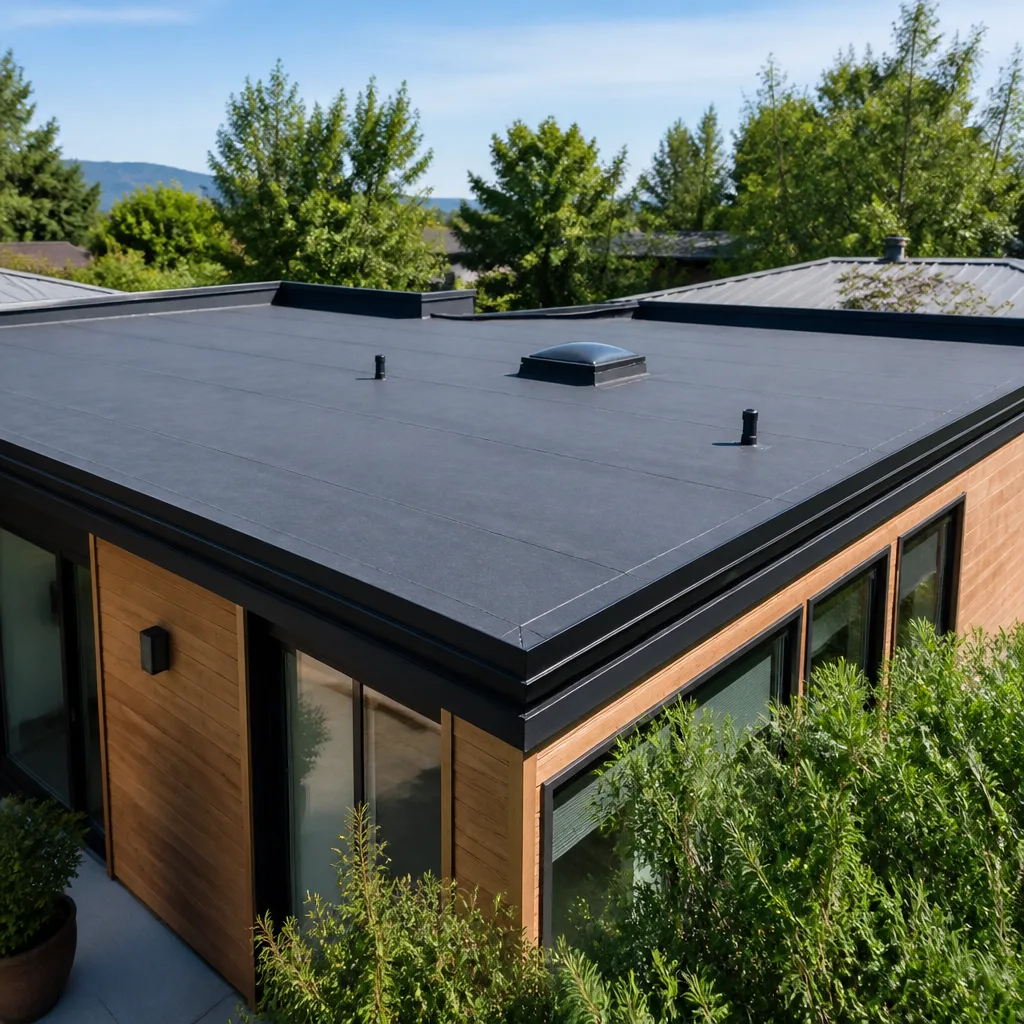 Flat & low-slope
Free roof inspection with deck photos before we talk money - GAF and Owens Corning certified installation
Roofing Warning Signs: A Orange Homeowner’s Reference Guide
Granules in the gutter. Curling shingles. A damp spot on the ceiling. Each of these means something completely different about your roof’s remaining lifespan, and treating them as equivalent urgency is how Orange homeowners either panic-replace a roof that had years left or delay fixing one that’s actively failing. This guide and our Complete Guide to Roofing in Orange give you a triage framework: which warning signs are cosmetic, which ones need monitoring, and which ones mean you should call a roofer this week. By the time you finish, you’ll know exactly what you’re looking at from the ground, what it means, and whether it’s a repair conversation or a replacement conversation.
Styles & brands we work with
Quick Answer
In Orange, the roofing warning signs that demand immediate attention are interior ceiling stains that grow after rain, shingles that are cracked or missing across multiple areas, and daylight visible through the attic roof deck. Cosmetic issues like minor granule loss or slight discoloration are normal aging and just need monitoring. The pattern matters more than any single symptom: isolated shingle damage is usually a repair, while widespread granule loss, curling across entire slopes, and multiple soft spots indicate replacement territory.
Table of Contents
- Tier One: Cosmetic Signs That Don’t Signal Active Failure
- Tier Two: Monitored Signs That Need Watching
- Tier Three: Act-Now Signs That Signal Active Roof Failure
- Flat and Low-Slope Roof Warning Signs Specific to Orange Ranch Homes
- Interior Ceiling Stains: Roof Leak, Condensation, or Plumbing?
- Granule Loss Patterns and What They Reveal About Shingle Age
- Ground-Level Warning Signs You Can Assess Without Walking the Roof
- Common Mistakes to Avoid
- When to Call a Professional
- Frequently Asked Questions
- The Bottom Line
Tier One: Cosmetic Signs That Don’t Signal Active Failure
The first category is the one most homeowners get wrong. They see something, assume the worst, and end up replacing a roof that had five or more years of serviceable life left. In Orange, where we get long dry stretches punctuated by occasional heavy rain, a roof can look weathered long before it actually fails.
What counts as cosmetic:
- Minor granule loss at downspouts. Every asphalt shingle sheds some granules from day one, especially in the first two years after installation. A light dusting of granules at the base of your downspout after storms is normal break-in, not failure.
- Surface discoloration or algae streaking. Orange’s coastal-influenced humidity can support algae growth on north-facing and tree-shaded slopes. The black or green streaks look alarming but rarely compromise shingle integrity in the short term.
- Slight shingle curling at edges only. If a handful of shingles show a gentle lift at one corner, but the field of the roof looks flat, you’re seeing early thermal wear, not structural failure.
- Nail pops that remain sealed. A nail that has backed out slightly but still holds the shingle in place is a minor condition. It becomes a problem only if water can enter around the nail head.
None of these require immediate action. What they do require is a baseline understanding. If you notice any of these signs, take photos every six months and compare. Movement or progression tells you more than the initial condition ever will. A Roof Inspection in Pico Rivera or a visual ground-level assessment in Orange can establish that baseline without any commitment. We’ve seen homeowners in Orange panic over ten-year-old roofs with cosmetic granule loss, assuming the worst, when the roof had another full decade ahead of it.
Keep in mind that “cosmetic” applies to function, not necessarily to resale aesthetics. If you’re selling a home in Orange, heavy algae staining or visibly worn shingles can affect buyer perception even if the roof performs fine. That’s a real estate consideration, not a roof failure.
Tier Two: Monitored Signs That Need Watching
These signs sit in the middle: not urgent today, but they warrant documentation and re-assessment every three to six months, as detailed in our Seasonal Roofing Care for Orange: Year-Round Homeowner’s Guide. The interval matters. A sign that stays stable across two check-ins is very different from one that visibly worsens between seasons.
- Exposed fiberglass matting in isolated areas. If granule loss has progressed to the point where the fiberglass mat shows through on a few shingles, those specific shingles are reaching the end of their UV resistance. One or two exposed shingles is a repair. Twenty percent or more of the roof showing matting is a replacement conversation.
- Corroded flashing at chimneys and skylights. Flashing can rust and degrade faster than the shingles around it, especially in Orange’s occasional salt-influenced air corridors. Rusted flashing doesn’t leak immediately, but it’s the most common origin point for future leaks. Watch for staining or separation at the sealant line.
- Expanding shingle curling at corners and edges. When edge curling moves from one or two shingles to a visible pattern across a slope, the shingles are losing their ability to lie flat. They haven’t failed yet, but wind-driven rain can start getting underneath them during Orange’s winter storm events.
- Soft spots in the attic sheathing that are still dry. Sometimes you’ll find a section of roof decking that feels slightly spongy but hasn’t started staining or leaking. This can be early moisture infiltration that hasn’t breached the interior ceiling yet, or it can be old, resolved damage. Mark the area, check it after the next heavy rain, and compare.
Monitored signs are exactly what they sound like: you’re tracking a condition, not acting on it. But here’s what we’ve seen in Orange homes repeatedly: homeowners put a monitored sign on a mental shelf and never check it again. Two years later, a minor flashing issue becomes a ceiling stain in the living room. The monitoring only works if you actually do it. We offer standalone inspections without a sales push because Windmill Roof Repair home services are built around giving homeowners an accurate picture, not around generating repair tickets.
Tier Three: Act-Now Signs That Signal Active Roof Failure
These are the signs where delay turns a repairable problem into an expensive one. In Orange, the winter rain season runs roughly November through March, and a roof that’s actively failing in October has a very different repair bill than the same roof in February.
- Active interior ceiling or wall stains that grow after rain. A stain that appears or expands within 48 hours of rainfall is a confirmed roof leak, not a one-time anomaly. Every additional rain cycle drives water further into insulation, drywall, and framing.
- Missing or broken shingles scattered across multiple slopes. One missing shingle after a wind event is a repair. Missing shingles across three or four different roof sections suggests the shingle seals are failing across the entire roof, and more will come off with every subsequent storm.
- Daylight visible through the attic roof deck. If you can see thin lines or pinholes of light coming through the roof boards from inside the attic, water can absolutely get through the same gaps. This is not a “maybe” sign. It’s a confirmed breach.
- Sagging roof deck lines. A visible dip or sway in the roofline, even slight, means the structural decking has been compromised by moisture. This is beyond a roofing repair conversation and into structural territory.
- Water stains on exterior walls directly below roof edges. This indicates water is getting past the eave or drip edge and running down the wall cavity. The leak is at the roof level even though the evidence shows on the wall.
- Ponding water that lasts longer than 48 hours after rain. Flat roofs in Orange should drain fully within a day or two. Standing water accelerates membrane breakdown at the ponding site and eventually finds a seam or penetration. A small puddle that drains by evening is fine. A puddle that’s still there three days later is a problem.
- Membrane blistering or bubbling. Bubbles in a flat roof membrane mean water vapor is trapped underneath, which means moisture has gotten in somewhere. Blisters that remain small can be monitored, but blisters that pop are direct leak points.
- Seam separation or exposed laps. Most Orange flat roofs are built-up or modified bitumen systems with overlapping seams. If those seams are lifting or you can see gaps, water entry is a matter of time, not chance.
- Cracking around roof penetrations. Flat roofs have more penetrations per square foot than pitched roofs: vent pipes, HVAC supports, and sometimes skylights. The sealant around these penetrations degrades faster than the membrane itself and is the leading origin point for flat-roof leaks.
- Cracking at the roof-to-wall transition. Where a flat roof meets a taller wall, the counterflashing is under constant stress from building movement and thermal expansion. Hairline cracks here are common and, left alone, become larger leaks in Orange’s rainy season.
- Roof leaks track with rainfall. If the stain appears or grows within 24 to 48 hours after rain, and you don’t have plumbing lines in that area, the roof is the likely source. The stain will typically darken and expand with each new storm cycle.
- Condensation stains track with temperature and humidity swings. Orange’s cool coastal nights and warm inland days create condensation conditions in attics and under-insulated ceilings. Condensation stains tend to be diffuse, spread across a wider area, and don’t correlate with rain events. They often appear in bathrooms, kitchens, and areas above poorly vented attics.
- Plumbing stains track with fixture use, not weather. A stain directly below a bathroom or under a water line will grow when that fixture runs, regardless of rain. If the stain is in a first-floor ceiling and there’s a bathroom above it, think plumbing first, roof second.
- Even granule loss across the entire roof. This is normal aging. Shingles wear like tires: evenly across the surface. If an entire roof shows uniform lightening and you’re seeing consistent granule accumulation in all downspouts, the roof is aging gracefully.
- Granule loss concentrated on one slope. That slope faces the sun. In Orange, south-facing and west-facing slopes take significantly more UV exposure than north-facing slopes. A roof can show heavy granule loss on the sun side while the shaded side looks nearly new. This is one of the most common age discrepancies we see in Orange homes.
- Bare patches revealing fiberglass mat. When granules are gone in defined patches rather than evenly, those specific shingles are at end-of-life. They’ve lost their UV protective layer, and the fiberglass mat will begin to degrade, become brittle, and eventually crack.
- Granule accumulation at the bottom of a single valley. Water concentrates in valleys, and that concentrated flow strips granules faster than sheet flow across the field of the roof. Heavy granule deposits at valley bases can indicate accelerated wear in those channels, which are the roof’s primary water pathways.
- Start at the curb, looking at the ridge line. Walk to the street and sight down the ridge. A healthy roof has a crisp, straight ridge. A sagging or wavy ridge line, even a slight one, is a structural warning sign. This is the first thing we check on any Orange inspection.
- Check each slope for shingle uniformity. From the ground, shingles should look like one continuous surface. Patches that appear darker, lifted, or missing are immediate red flags. Pay special attention to valleys and areas around penetrations, which concentrate water.
- Look at the eaves and fascia boards for discoloration. Water that isn’t draining off the roof properly will stain the wood at the edges. Dark streaks or water marks on fascia boards often indicate a drip edge or gutter-backup problem that’s keeping water in contact with roof decking.
- Inspect the roof edges for granule deposits. Run your hand along the inside of your gutters at the downspouts. Heavy granule accumulation there, especially if it’s been decades since the last cleaning, tells you the shingles are shedding at a measurable rate.
- Check the chimney and all roof penetrations from all four sides. Flashing failures start as small sealant cracks that you can see from the ground with binoculars. Look for rust lines, separated sealant, or lifted flashing at the base of anything that penetrates the roof: chimneys, vents, and plumbing stacks.
- Ignoring a small ceiling stain because it’s small. A stain that’s two inches today can be two feet after three more rain cycles. Water damage compounds, and the drywall replacement cost alone often exceeds the original roof repair cost. Mark the stain, watch it through one rain, and call if it grows.
- Assuming a new roof means no inspection needed. Orange homeowners with roofs under eight years old sometimes skip inspections entirely. New roofs fail too, usually at flashing or installation defects, not at the shingles themselves. A pre-rain-season check catches warranty issues while they’re still covered.
- Replacing the entire roof for a repair-scope problem. A single missing shingle, one flashing leak, or one isolated soft spot doesn’t require a full replacement. We see homeowners in Orange quoted full replacements for what should have been $800 repairs. Get a second opinion, especially if the quote doesn’t include a detailed scope explanation.
- Walking the roof yourself to look for problems. Steep pitches in Orange and older decking create real fall risk, and every year homeowners are injured doing DIY roof inspections. The ground-level check in this guide covers the most important visible signs. Let a professional handle the on-roof assessment.
- Using generic online checklists for flat roofs. As covered earlier, flat and low-slope roofs in Orange fail differently than pitched roofs. If you’re using a checklist written for shingle roofs on a flat roof, you’ll miss the warning signs that actually matter: ponding, blistering, and seam separation.
- Deferring maintenance because the dry season is long. Orange’s dry months create a false sense of security. A roof that’s failing in August has just been failing quietly. By the time the rains arrive, the leak path is established and the damage accelerates quickly.
Act-now signs mean you call a roofer this week. Not to get halfway through a sales pitch, but to get an honest assessment of whether a targeted repair stops the problem or whether the roof has reached the point where Roof Repair in Pico Rivera or a full Roof Replacement in Pico Rivera is the right scope. In Orange specifically, we’ve walked roofs after the first rains of the season where homeowners waited on an act-now sign through the dry summer, assuming it would hold. It almost never does once the wet season returns.
Flat and Low-Slope Roof Warning Signs Specific to Orange Ranch Homes
A lot of roofing checklists online are written exclusively for pitched shingle roofs. But Orange has thousands of ranch-style homes with flat or very low-slope sections, and those roofs fail differently. The warning signs don’t look the same, and they appear in different places.
Signs you won’t find on a pitched-roof checklist:
If you have a flat or low-slope roof in Orange, your inspection points are different, and so is your repair frequency. Flat roofs generally need more periodic attention than pitched roofs because the drainage margin for error is smaller. The same triage applies: Ponding that drains quickly is cosmetic. Blisters that stay sealed are monitored. Popped blisters, open seams, and growing cracks around penetrations are act-now.
Interior Ceiling Stains: Roof Leak, Condensation, or Plumbing?
Ceiling stains are the most feared warning sign, and also the most frequently misattributed. Not every stain on the ceiling means your roof is leaking. Orange homes deal with three distinct causes, and they need three different responses.
How to distinguish the cause before calling anyone:
The distinction matters because calling a roofer for a plumbing leak wastes your time and money, and calling a plumber for a roof leak delays a fix that’s getting worse with every rainfall. In our experience across Orange, we’ve seen homeowners pay for a full roof replacement only to discover the actual issue was a failed supply line. Before you call anyone, do this quick check: mark the stain’s edge with a pencil, wait for the next rain, and check whether it grew. That single step tells you more than any phone consultation.
Our inspection approach at Windmill Roof Repair includes tracing the water path from the interior stain back to its entry point, because the visible stain is often several feet from the actual roof breach. Water runs downhill along rafters and ceiling joists before it pools at a drywall seam. We see it in Orange consistently: the leak is at a pipe boot or valley, and the stain shows up six feet away.
Granule Loss Patterns and What They Reveal About Shingle Age
Every asphalt shingle roof loses granules over time. The pattern of that loss tells you a specific story about the roof’s age and remaining lifespan that a simple visual inspection might miss. This is where material knowledge matters, because not all shingles lose granules the same way.
Pattern meanings:
Choosing the Right Roofing Brand matters here too. We work across seven shingle manufacturers, and a GAF shingle from Orange and a CertainTeed shingle from Orange can show different granule retention characteristics at the same age. Owens Corning shingles, for example, use a specific granule adhesion process that performs differently in UV-heavy environments than some competitor products. Boral products, when used in Orange, bring different weight and density characteristics that affect how they respond to thermal cycling. The point is: the right material for a south-facing Orange slope may not be the same as the right material for a shaded north slope. That’s why we maintain a multi-brand position instead of pushing one manufacturer. You can’t advise honestly on material performance unless you actually work with multiple options.
Ground-Level Warning Signs You Can Assess Without Walking the Roof
Walking a roof is how you find what’s already failing. Looking from the ground is how you track changes safely without risking a fall. Here’s a step-by-step ground-level assessment you can do with nothing but your eyes and a pair of binoculars if you have them.
None of this requires getting on a ladder, and all of it gives you a meaningful triage baseline. If everything checks out from the ground, you still might have issues you can’t see, but you’ve ruled out the most visible problems. If you spot act-now signs from the ground, call for a professional inspection before the next rain. We’ve built our Roof Inspection in Pico Rivera service specifically so Orange homeowners can get a professional assessment without committing to any repair scope. See it before you sign anything.
Common Mistakes to Avoid
When to Call a Professional
Call a roofer in Orange when you see any act-now sign described in this guide: growing interior stains after rain, missing shingles across multiple areas, visible daylight in the attic, or sagging in the roof deck. Also call if you’ve been monitoring a tier-two sign for two consecutive check-ins and it’s worsening. If you’re unsure which tier you’re looking at, an honest roofing company will tell you without inventing work. Windmill Roof Repair home offers free estimates in Orange. Call (866) 850-2496 to schedule yours. Repair when you can, replace when you must.
Frequently Asked Questions
Roof inspection pricing in Orange varies by the scope and whether it’s a standalone service or bundled with repair work, but many homeowners find the cost of a professional inspection is less than the cost of catching a problem late. Windmill Roof Repair offers standalone inspections as a no-commitment service, meaning you’re not obligated to proceed with any work afterward. Call (866) 850-2496 to ask about current inspection pricing in Orange.
Most isolated roof repairs in Orange, like a flashing replacement or a few shingle replacements, can be completed in a single workday once materials are on hand. Larger repair scopes, especially those involving decking replacement or multiple roof penetrations, take longer. The best way to get an accurate timeline for your specific situation is to schedule an inspection and get a written scope. Call (866) 850-2496 for a free estimate.
You can identify the most critical act-now signs from the ground: sagging ridge lines, missing shingles, discolored eaves, and visible flashing failures. What you can’t see from the ground is the condition of the roof decking underneath, the seal integrity across the entire field of shingles, and early moisture intrusion in the attic. For a complete picture, a professional inspection is the next step. Windmill Roof Repair offers inspections in Orange with no obligation to purchase repairs.
Roof repair addresses isolated damage like a few missing shingles, a single flashing leak, or a small soft spot, while roof replacement involves removing the existing roof and installing new materials across the entire surface. The right call depends on the extent of the damage, the age of the roof, and whether the underlying decking is intact. Windmill Roof Repair performs both repair and replacement, and we’ll only recommend replacement when repair no longer makes economic sense for your Orange home.
In Orange, an annual inspection before the rainy season is a solid baseline for most asphalt shingle roofs. Properties with flat or low-slope sections benefit from inspection twice a year, since those systems have tighter drainage margins. If your roof is over ten years old, or if you’ve just experienced a significant wind event, schedule an inspection even if you don’t see visible damage. Call (866) 850-2496 to set one up.
Orange’s combination of UV exposure and seasonal rain means shingle performance depends more on the specific product line than the brand name alone. We work with seven manufacturers, including GAF, CertainTeed, Owens Corning, and Boral, because different product lines within those brands perform differently depending on roof slope, orientation, and need. A south-facing Orange roof benefits from a different granule retention profile than a shaded north-facing slope. The right material depends on your specific roof, not a brand preference.
The Bottom Line
Roofing warning signs in Orange fall into three categories, and knowing which category you’re looking at saves you from both premature replacement and avoidable water damage. Cosmetic signs like light granule loss and algae streaking need photos and patience, not a new roof. Monitored signs like isolated exposed matting and minor flashing corrosion need consistent check-ins and a baseline professional assessment. Act-now signs like growing interior stains, widespread shingle loss, and visible daylight in the attic need a roofer this week. If you’re not sure which tier you’re looking at, explore more guides & resources or call a professional who will give you an honest answer without a sales agenda. Seven brands, one crew, and an inspection you can trust before you commit to anything.
Written by the team at Windmill Roof Repair, serving Orange since 2018.
See the difference
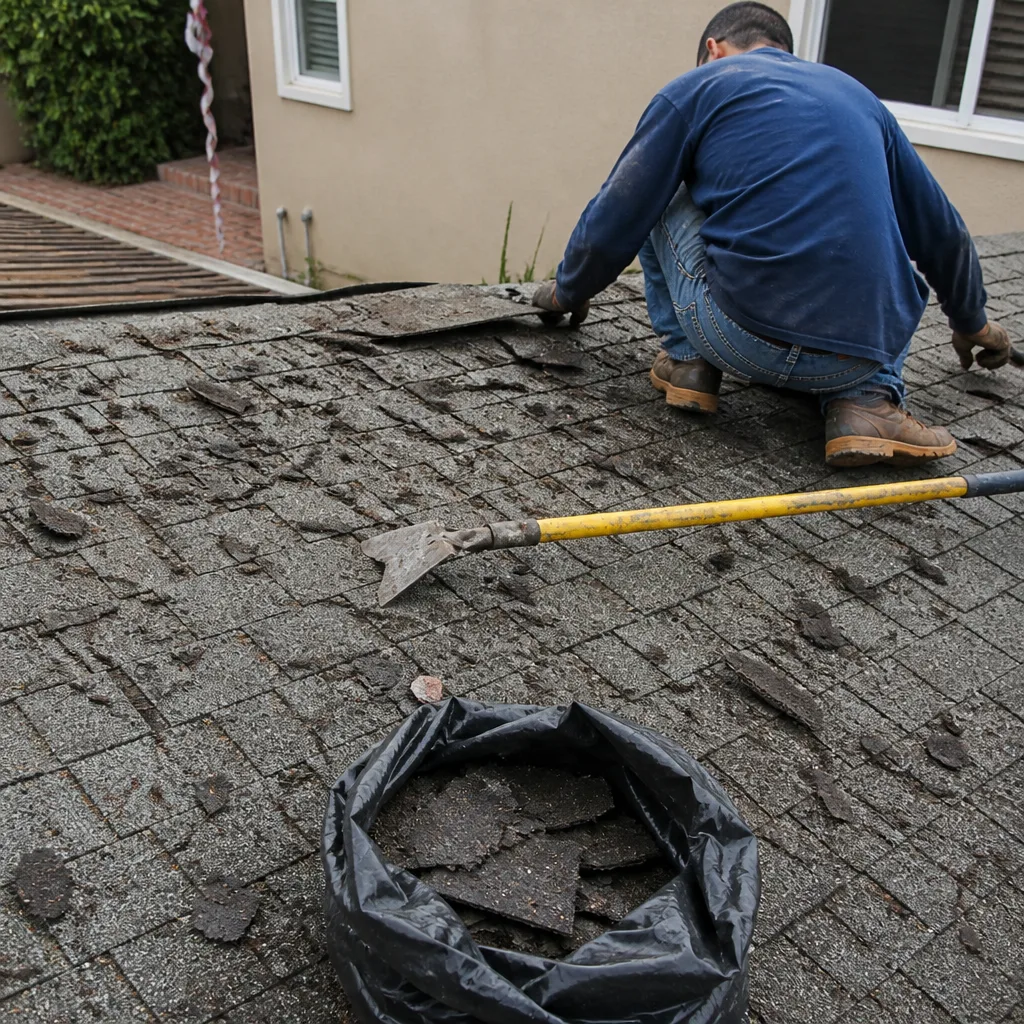 Before
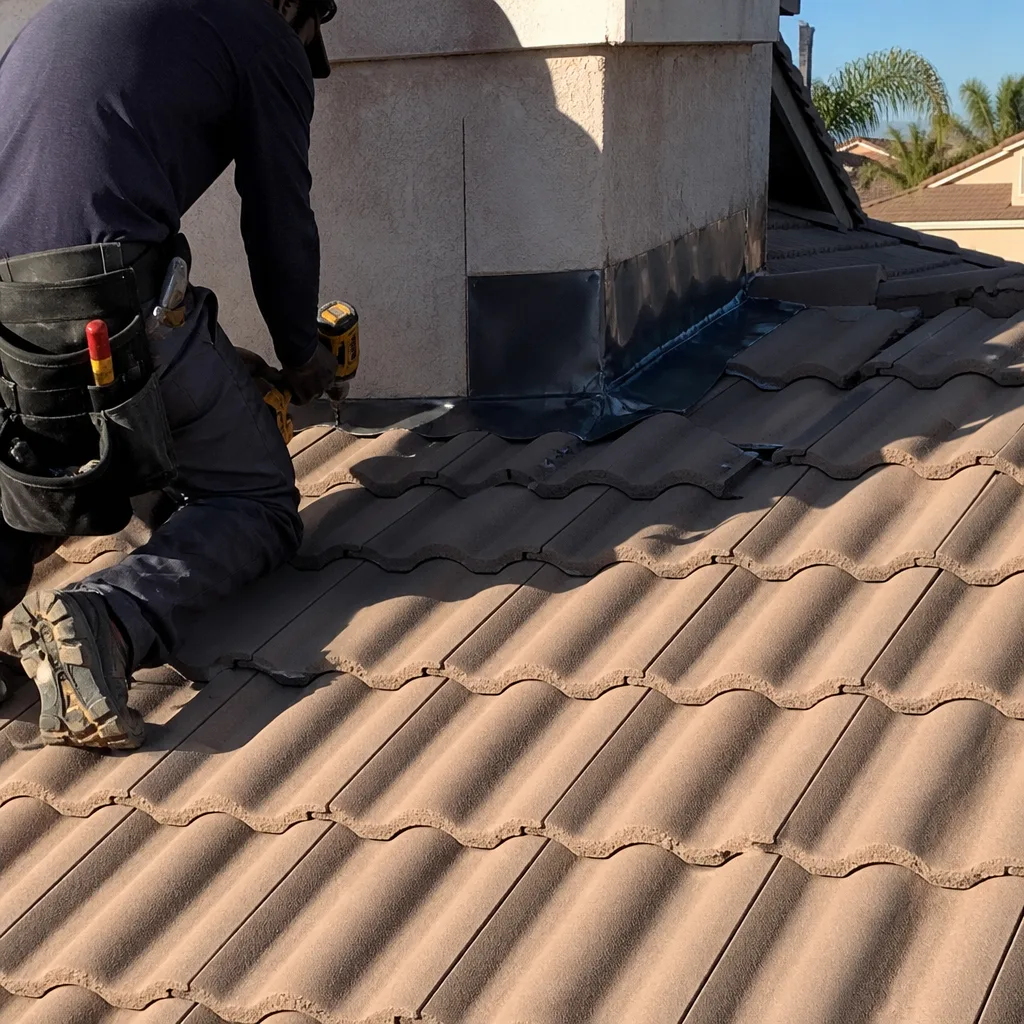 After
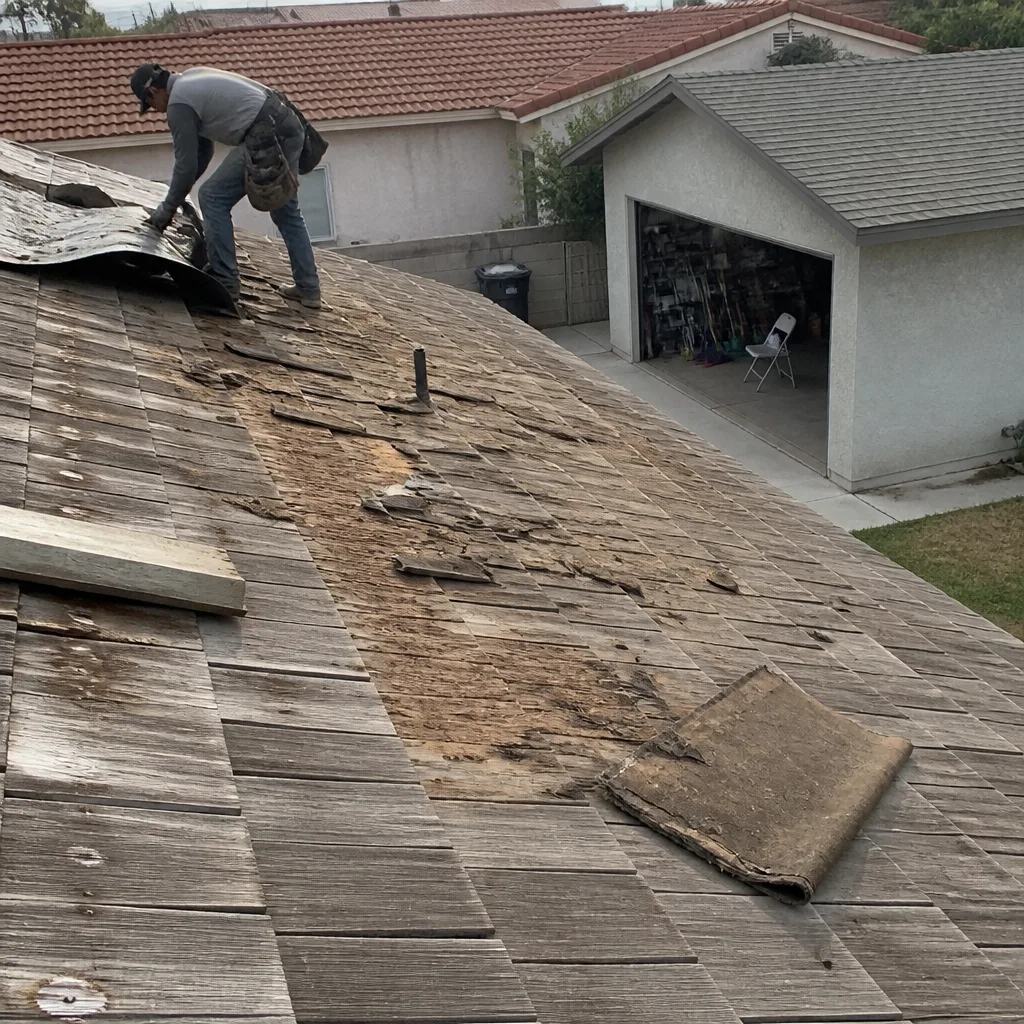 Before
 After
 Before
 After