Last updated October 31, 2026
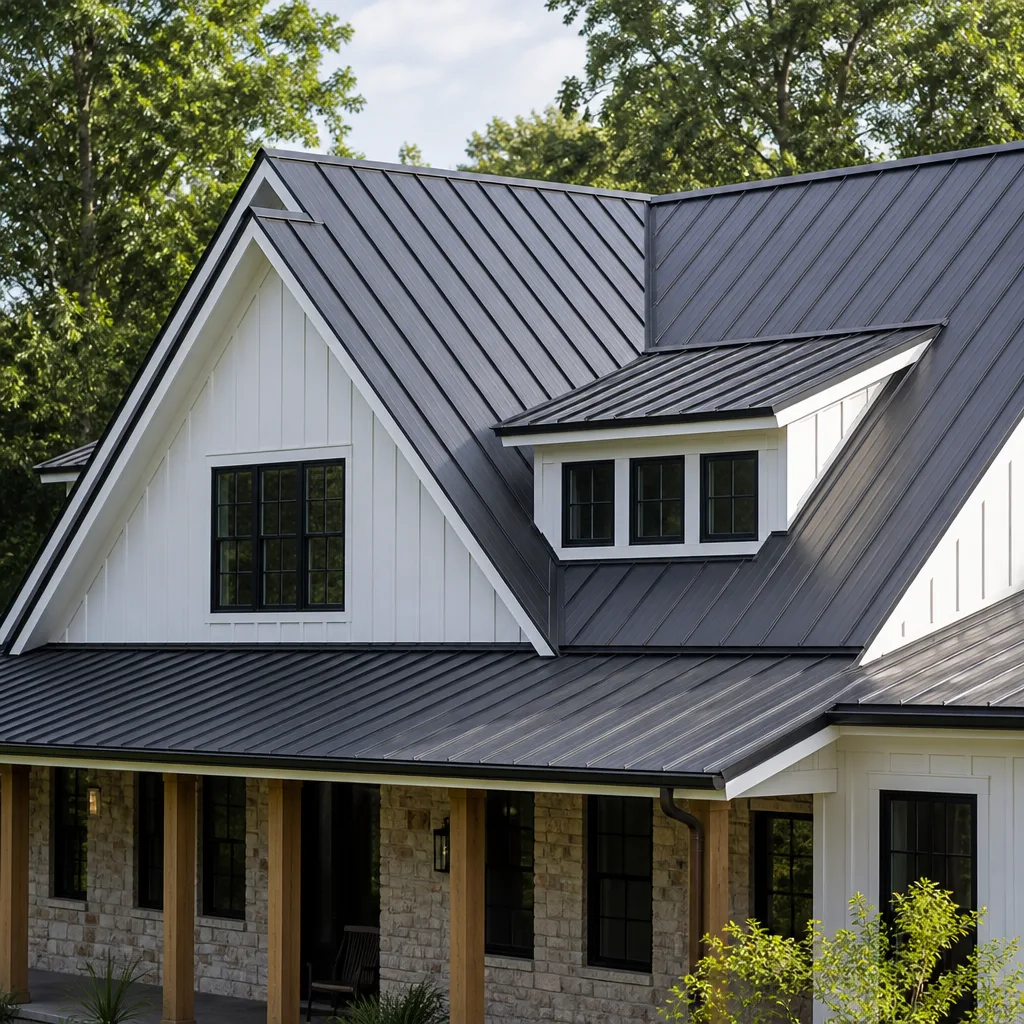 Metal roofing
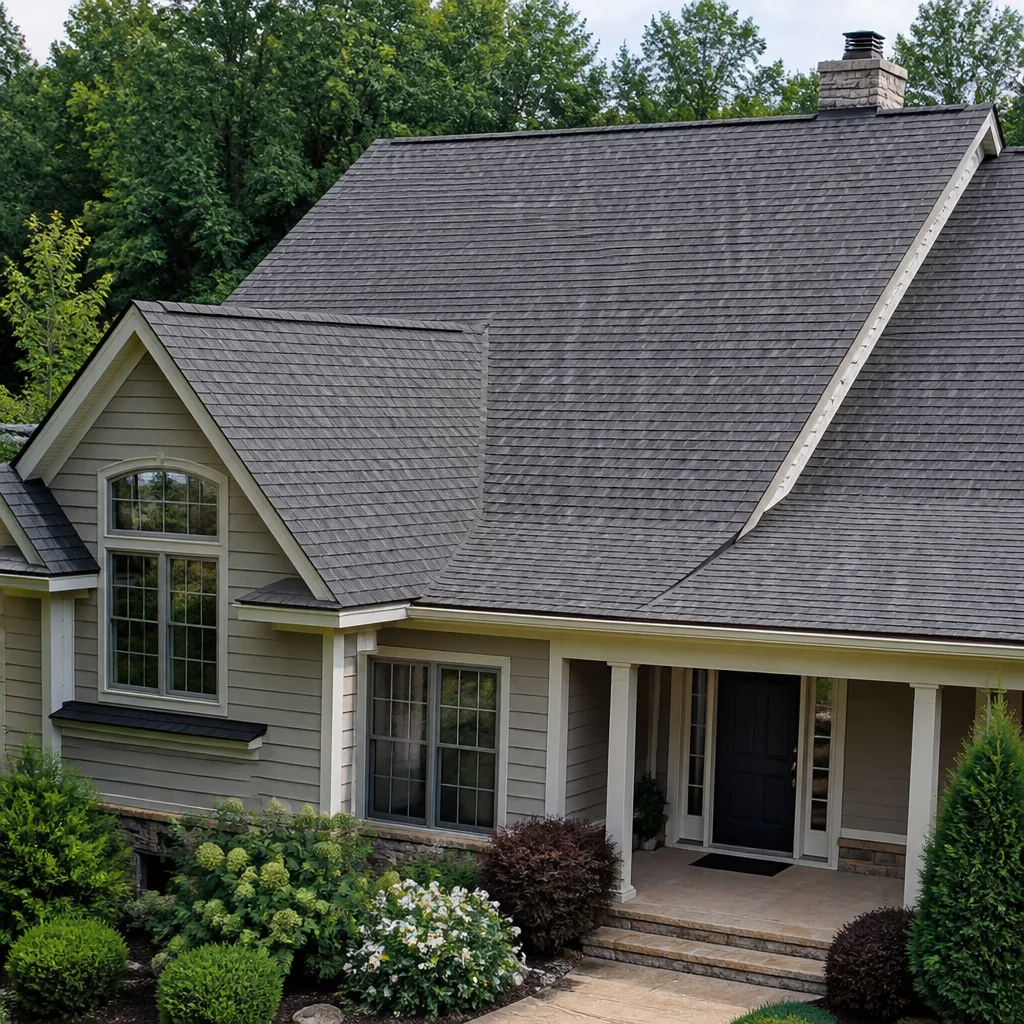 Architectural shingles
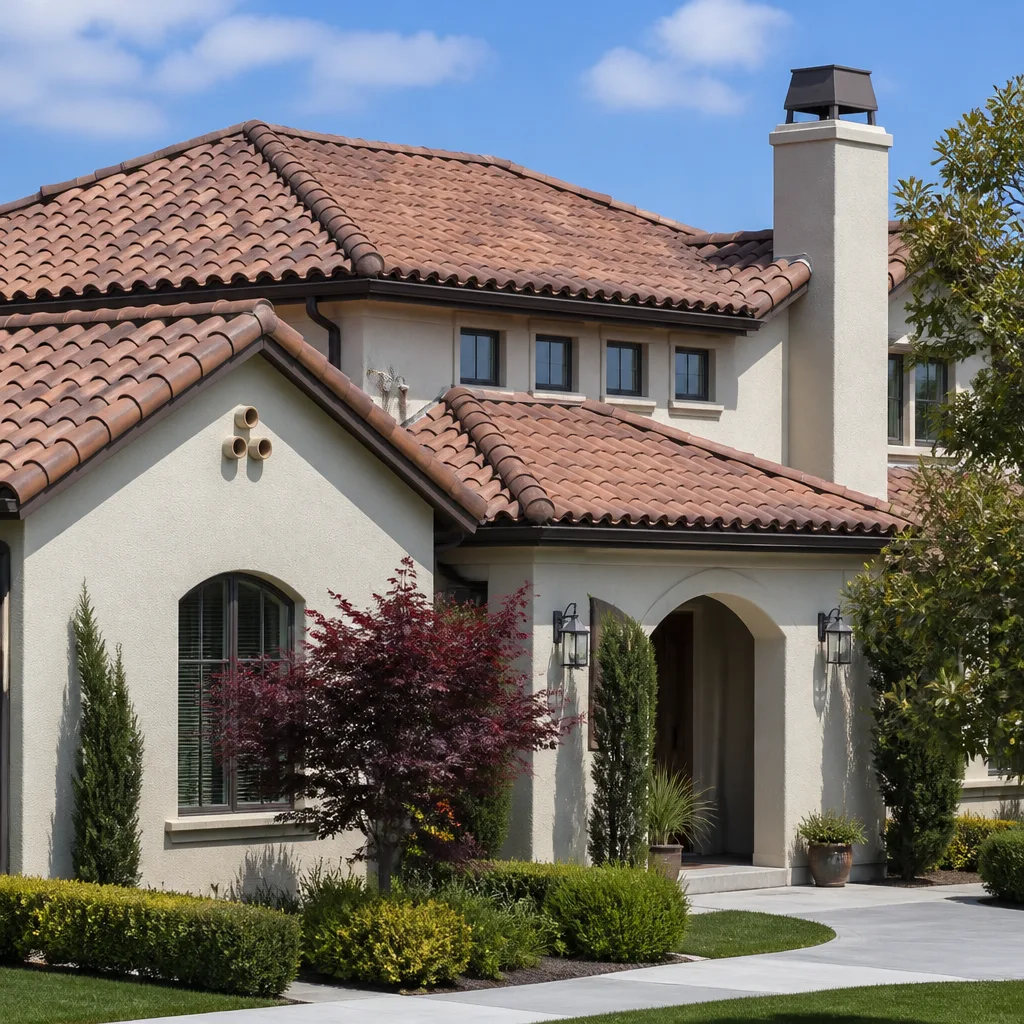 Tile roofing
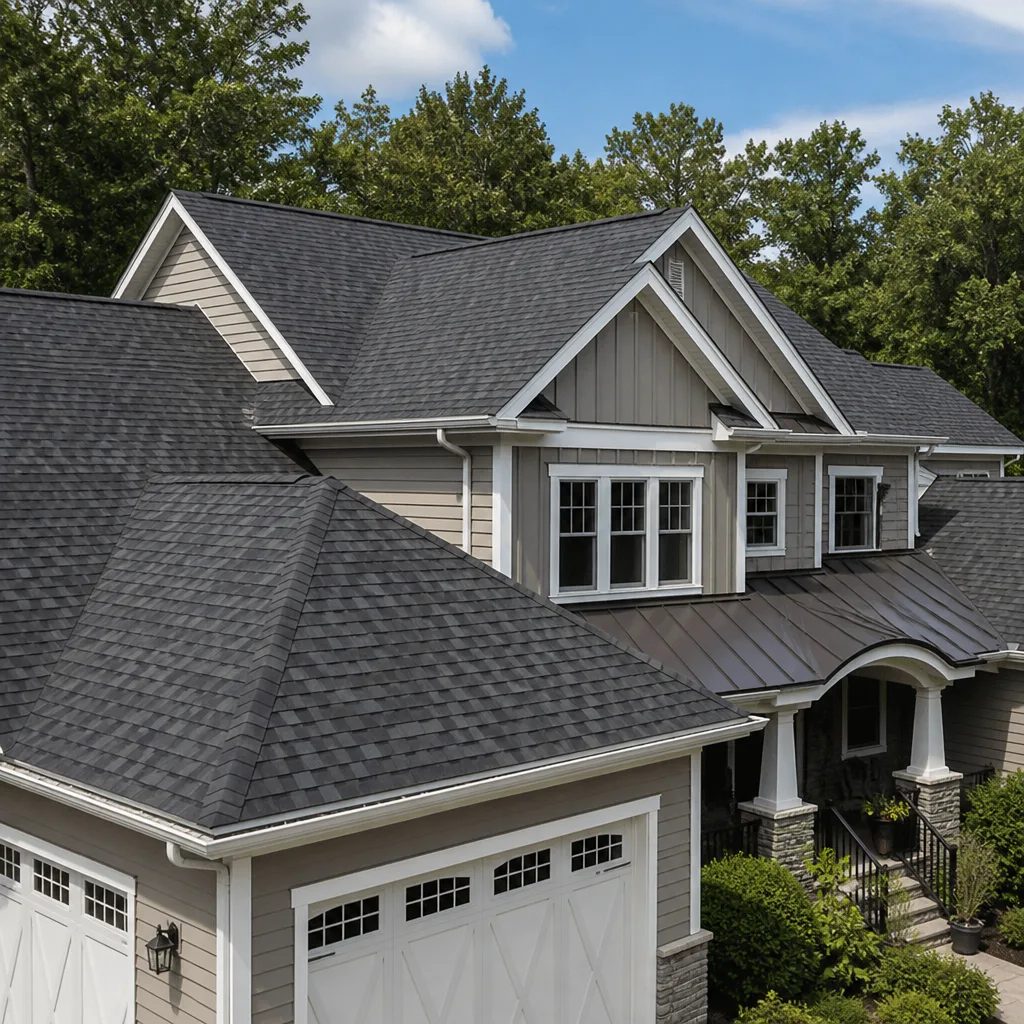 GAF
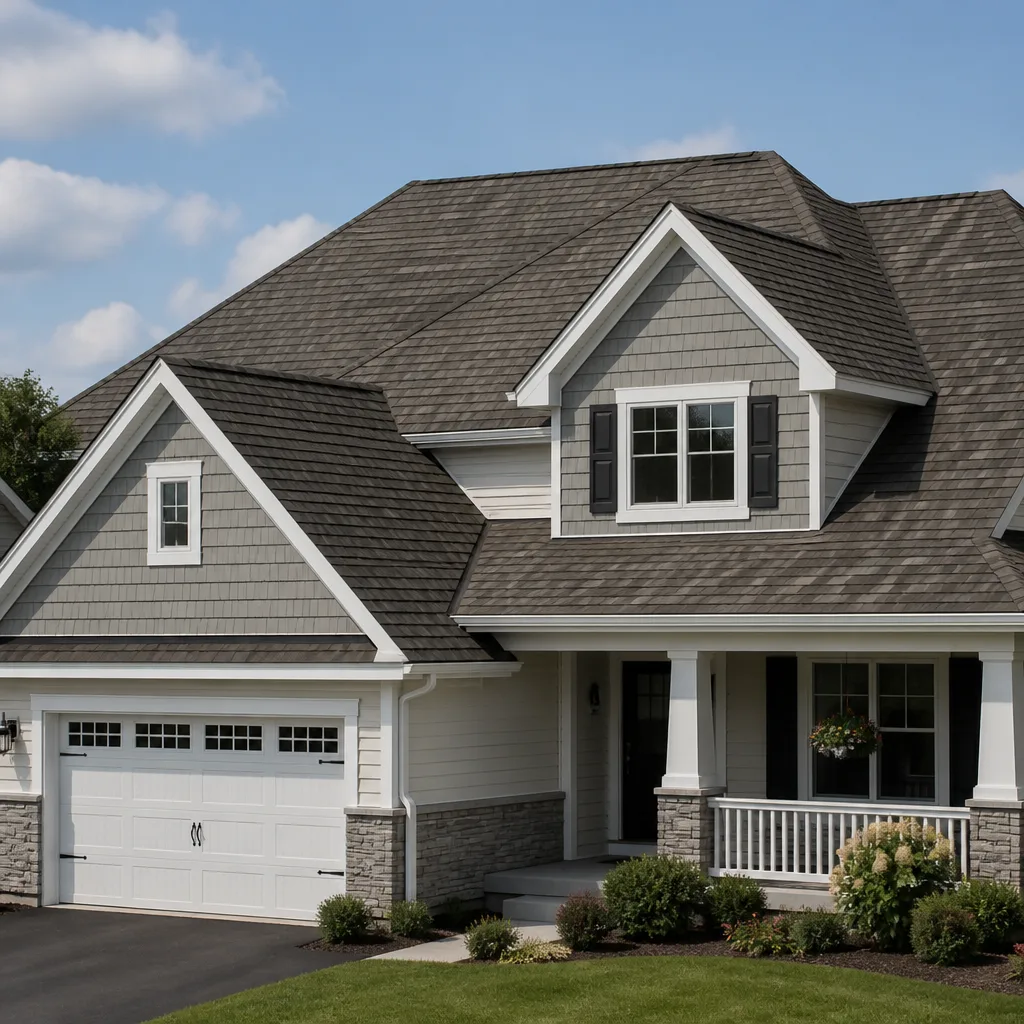 Owens Corning
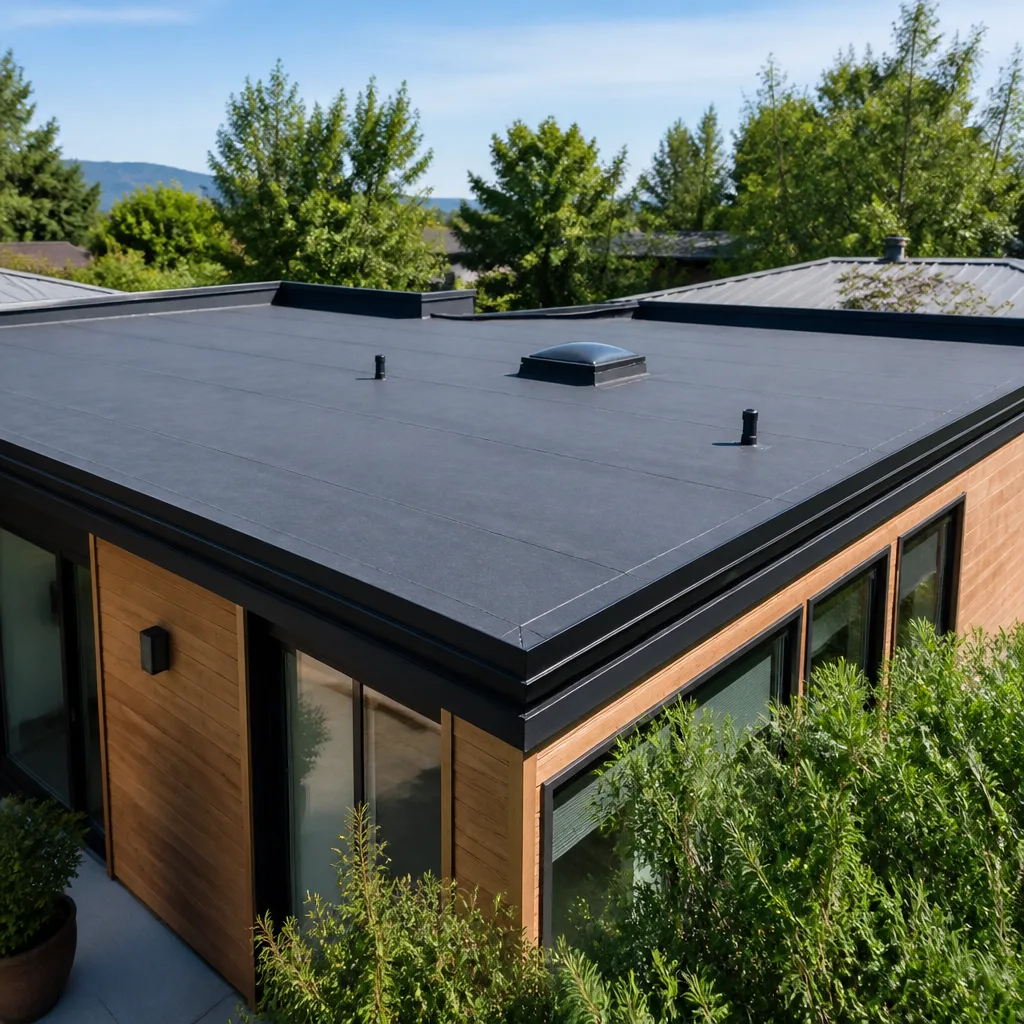 Flat & low-slope
Free roof inspection with deck photos before we talk money - GAF and Owens Corning certified installation
Choosing the Right Roofing Brand: A Buyer’s Guide for Orange
Here’s the counterintuitive truth most roofing guides won’t tell you: the shingle brand with the longest warranty is often the wrong choice for a home in Orange. A 50-year limited warranty sounds impressive until you realize it assumes the product was matched correctly to the installation environment. Put that shingle on an under-ventilated attic in an inland Southern California climate, and it won’t perform like the brochure suggests. This guide and our The Complete Guide to Roofing in Orange explain how to evaluate roofing brands against what Orange roofs actually face: intense UV exposure, heat that cooks attic spaces, and the occasional wind event that separates properly matched materials from mismatched ones. You’ll learn how to cut through brand marketing and find the product that fits your specific roof.
Quick Answer
The best roofing brand for an Orange home depends on three factors: your roof’s pitch, your attic ventilation, and how much direct sun your roof gets during summer afternoons. A brand that performs well on a steep, well-ventilated roof in Santa Ana’s mature neighborhoods may be the wrong call for a low-slope, poorly vented roof in Orange’s older housing stock. Start with a roof inspection to identify these conditions before you evaluate any brand’s warranty or price point.
Styles & brands we work with
Table of Contents
- Why the Longest Warranty Isn’t the Best Warranty
- What Orange’s Climate Actually Does to Shingles
- The Three Roof Conditions That Dictate Brand Choice
- Manufacturer Warranty vs. Workmanship Warranty: The Distinction That Matters
- How Contractor Brand Certifications Create Misaligned Incentives
- A Comparison Framework for Seven Major Brands
- Why Material-Agnostic Selection Changes the Outcome
- Common Mistakes to Avoid
- When to Call a Professional
- Frequently Asked Questions
Why the Longest Warranty Isn’t the Best Warranty
Manufacturers design warranty language to sell shingles. They know homeowners respond to big numbers: 50 years, lifetime, limited lifetime. But every warranty carries conditions that most homeowners never read. The shingle must be installed by a certified contractor. The attic must meet minimum ventilation requirements. The roof deck must meet specific standards. Miss any of these, and the warranty shrinks or voids entirely.
In Orange, we see this play out constantly. A homeowner buys a premium shingle with a 50-year warranty, installs it on a roof with marginal attic ventilation, and five years later the shingles are curling at the edges. The manufacturer inspects, finds the ventilation issue, and the warranty claim gets denied. The homeowner blames the shingle. The real problem was a brand chosen without considering the roof’s actual conditions, a mistake our The Complete Roof Repair Guide for Orange Homeowners helps you avoid.
Warranty length matters, but only after you’ve confirmed the product matches your roof’s environment. A 30-year shingle properly matched to an Orange roof will outperform a 50-year shingle that isn’t. The number on the warranty is a marketing tool first, a performance indicator second.
What Orange’s Climate Actually Does to Shingles
Orange sits in a transitional climate zone. We’re inland enough to get real summer heat, but close enough to the coast that morning marine layer and afternoon sun create daily temperature swings. Those swings put expansion and contraction stress on shingles that coastal homes don’t experience the same way.
The specific stressors for Orange roofs break down like this:
- UV intensity: Orange gets roughly 280 sunny days per year. That UV exposure degrades asphalt shingles through oxidation, making them brittle and prone to cracking. Some brands formulate their asphalt for higher UV resistance; others don’t prioritize it because their primary markets are in cooler, cloudier regions.
- Attic heat buildup: Summer attic temperatures in Orange routinely hit 140-160°F. That heat radiates upward through the roof deck and accelerates shingle aging from underneath. Brands with higher heat-resistance ratings hold up better here, but only if the attic ventilation is adequate.
- Wind events: Orange isn’t in a hurricane zone, but Santa Ana wind events can gust 40-60 mph through the canyons. Shingles with higher wind ratings (110-130 mph) stay put during these events. Lower-rated shingles can lift, tear, or shed granules.
- Occasional heavy rain: When it does rain in Orange, it often comes in short, intense bursts. Roofs need proper underlayment and shingle overlap to handle that volume without leaking.
National-average performance data doesn’t account for these specific Orange conditions. A shingle that ranks well in temperate climates may underperform here. That’s why brand selection should start with the Orange climate, not with a national comparison chart.
The Three Roof Conditions That Dictate Brand Choice
Before you compare any brands, you need to know three things about your specific roof. These factors matter more than shingle color, more than warranty length, and more than the price difference between good and better.
1. Roof Pitch
Roof pitch determines how quickly water drains, how much sun hits the shingle surface, and which shingle styles are appropriate. Low-slope roofs (2:12 to 4:12) need shingles rated for that application. Some brands simply don’t make products for low-slope installations. Others do, but with specific installation requirements. Steep roofs drain well but expose more shingle surface to direct sunlight. A steep south-facing roof in Orange gets hammered by UV; a steep north-facing roof doesn’t. Same brand, same product line, different performance based on orientation.
2. Attic Ventilation
This is the most overlooked factor in brand selection. Poor attic ventilation means excessive heat and moisture buildup, which degrades shingles from below regardless of brand quality. If your attic has insufficient intake and exhaust ventilation, even a premium shingle will age prematurely. Some manufacturers will void warranty coverage for ventilation-related failures. Before selecting any brand, have your attic ventilation assessed. If it’s inadequate, fixing that problem matters more than which shingle you choose.
3. Sun Exposure Angle
The orientation of your roof changes how much direct sunlight each slope receives. A west-facing roof in Orange gets the brutal late-afternoon sun, which extends the daily heat load during the hottest part of the day. East-facing slopes get morning sun and recover sooner. South-facing slopes get the most consistent all-day exposure. North-facing slopes get the least. If your main roof surface faces west or south, you need a shingle with higher heat tolerance and better UV resistance. If it faces north, you have more flexibility.
These three conditions, measured together, tell you what your roof actually needs. Only after you understand them should you start shopping brands. If you’re not sure about your roof’s pitch, ventilation, or exposure, a Roof Inspection in Pico Rivera can document these factors before you commit to any product decision.
Manufacturer Warranty vs. Workmanship Warranty: The Distinction That Matters
The brand name on the shingle guarantees the shingle, not the installation. This is the single most important distinction in roofing, and most homeowners never learn it until something goes wrong.
Manufacturer warranty covers defects in the shingle itself. If the shingle fails because of a manufacturing flaw, the manufacturer may provide replacement materials. It does not cover the labor to remove and reinstall those materials. It does not cover damage caused by improper installation. It does not cover failures caused by roof conditions like poor ventilation or deck movement.
Workmanship warranty covers the installation itself. If the roofer installs the shingles incorrectly, leading to leaks or damage, the workmanship warranty should cover the repair. This warranty comes from the contractor, not the manufacturer. Its value depends entirely on the contractor’s staying power and willingness to stand behind their work.
In Orange, where many homes date from the 1950s through the 1980s, we regularly see roofs where the shingles are fine but the installation is failing. Flashing details were skipped. Underlayment was installed incorrectly. The shingle brand is irrelevant when the installation was never right to begin with. A premium brand installed poorly will fail faster than a mid-tier brand installed correctly, which is why our DIY vs Professional Roofing: The Orange Homeowner’s Decision Guide recommends expert installation.
When you’re comparing estimates, ask for the workmanship warranty details in writing. How long does it cover? What does it include? Who handles the claim if something fails? The answers reveal more about the contractor’s confidence than any marketing language. And remember: the brand on the shingle doesn’t transfer to the quality of the hands that installed it.
How Contractor Brand Certifications Create Misaligned Incentives
Most roofing contractors are not brand-neutral. They hold certifications with one or two manufacturers, and those certifications come with volume requirements. The contractor commits to buying a certain amount of product from that manufacturer each year. In exchange, they get better pricing and the ability to offer enhanced warranty packages to their customers.
This creates an incentive structure worth understanding. A contractor who is a “Preferred Contractor” for one specific brand has a financial reason to recommend that brand, even if it’s not the best match for your specific roof. That’s not malicious. It’s business. But it means the recommendation you hear is shaped by factors other than your roof’s actual needs.
How to spot this dynamic:
- Ask how many brands the contractor works with. If the answer is one or two, the recommendation is constrained by that lineup. If the answer is five or six or seven, the contractor has to justify why one brand fits your roof better than the alternatives.
- Ask why they recommend that specific brand for your roof. A good answer references your roof’s pitch, ventilation, and exposure. A weak answer references the brand’s reputation or warranty without connecting it to your specific conditions.
- Ask what would change their recommendation. If the contractor can’t identify any scenario where they’d recommend a different brand, they’re probably recommending their preferred brand to everyone, regardless of the roof.
Certification isn’t a red flag. It means the contractor has invested in training and meets the manufacturer’s installation standards. But certification should inform the workmanship, not dictate the product selection. A contractor who works across multiple brands can recommend based on the roof’s needs rather than a supplier relationship.
A Comparison Framework for Seven Major Brands
Instead of ranking brands from best to worst, which is a meaningless exercise when roof conditions vary so much, here’s a framework for comparing options across the major manufacturers. We work with seven brands: GAF, CertainTeed, Owens Corning, IKO, Atlas, Tamko, and Boral. Each has product lines that suit different Orange roof profiles.
The Criteria That Actually Matter for Orange
- Algae resistance: Orange’s coastal proximity and occasional humidity can support algae growth, especially on shaded roof sections. Some brands include copper granule blends for algae resistance at lower price points; others reserve it for premium lines.
- Wind rating: Look for shingles rated at 110 mph or higher for Orange’s Santa Ana wind events. Most major brands offer products in the 110-130 mph range, but the rating varies by product line, not just by brand.
- Impact rating: Impact resistance (Class 4 is the highest) matters less in Orange than in hail-prone regions, but it’s still relevant if you’re near mature trees that drop branches during wind events.
- Heat resistance and UV formulation: This is the Orange-specific factor that national comparisons often miss. Some manufacturers formulate their asphalt blends for high-UV environments. Others don’t, because their primary markets are in the Northeast or Midwest.
- Product availability: A shingle that’s backordered for six weeks doesn’t help if your roof is leaking. Local supply chain realities in Southern California should factor into your decision.
How the Brands Differ in Practice
Rather than rank these brands, here’s what we’ve observed installing them in Orange:
GAF offers a wide product range with strong wind ratings across most lines. Their high-end lines include advanced UV and granule adhesion technology. Their entry-level lines are solid but less differentiated. GAF’s warranty programs are well-structured, but the enhanced warranties require certified installers, which narrows your contractor options.
CertainTeed positions itself as a premium brand with strong aesthetics. Their color options and architectural shingle profiles are among the best available. Their higher-end lines show excellent heat resistance, but their entry-level products don’t differ dramatically from competitors’ entry-level offerings. CertainTeed’s certification program is rigorous, which means fewer contractors qualify, which can affect pricing and availability.
Owens Corning has built their brand around their proprietary fiberglass mat technology. Their shingles tend to be lighter than competitors, which can matter for older Orange homes where roof structure capacity is a consideration. Their algae resistance is strong in mid-tier lines. Their color palette is more limited than some competitors.
Those three examples show the pattern: each brand has strengths in specific areas. The right choice depends on which strengths match your roof’s profile. A brand that excels at wind resistance may be overkill for a sheltered valley roof. A brand with premium aesthetics may not matter if your roof is barely visible from the street. The comparison should always return to your roof’s actual conditions.
Why Material-Agnostic Selection Changes the Outcome
When a contractor works across multiple competing brands, the conversation about brand selection changes fundamentally. The question stops being “which of our options should you pick?” and becomes “which product actually fits this roof?”
The practical difference is significant. A contractor with seven brands in their lineup can recommend a GAF shingle for one roof because its wind rating matches a well-ventilated exposed slope, and recommend a CertainTeed product for another because its heat resistance suits a poorly ventilated west-facing roof section. Same crew, same installation standards, different materials matched to different needs.
That’s the model we operate under at Windmill Roof Repair home. Seven brands, one crew. The product recommendation is driven by the roof’s conditions and the homeowner’s budget, not by a preferred-vendor arrangement. That’s not a marketing position; it’s a structural difference in how the recommendation gets made.
When you’re evaluating contractors, the number of brands they work with is a useful signal. A contractor who can offer you a real choice across multiple manufacturers has to be honest about the tradeoffs between them. A contractor who offers one brand has to convince you that brand is always the right answer. One of those positions is defensible. The other requires ignoring what roofs actually need.
Common Mistakes to Avoid
- Choosing a brand before assessing the roof. You can’t match a product to conditions you haven’t measured. Start with a roof inspection, then shop brands. Doing it in reverse is how Orange homeowners end up with premium shingles on roofs that needed a different product entirely.
- Equating warranty length with product quality. A 50-year warranty doesn’t mean the shingle will last 50 years. It means the manufacturer will replace defective materials for 50 years, subject to conditions and exclusions. Read the actual warranty document before making a decision based on the number.
- Ignoring ventilation because the shingle is “high quality.” Poor ventilation destroys every brand eventually. A premium shingle on a hot, under-ventilated Orange attic will fail faster than a mid-tier shingle on a properly vented roof. Fix ventilation before selecting any brand.
- Assuming the brand name guarantees the installation. GAF shingles installed incorrectly will fail. Tamko shingles installed correctly will perform for decades. The contractor matters as much as the product, and sometimes more.
- Overlooking the workmanship warranty. The manufacturer warranty covers the shingles. The contractor’s workmanship warranty covers the installation. You need both, and the workmanship warranty is the one you’ll actually use if something goes wrong.
- Selecting based on aesthetics alone. Color and profile matter for curb appeal, but they should come after performance criteria. A beautiful shingle that can’t handle Orange’s UV exposure is a beautiful problem waiting to happen.
- Trusting national “best brand” lists. Those lists are written for national audiences and often sponsored by manufacturers. They don’t account for Orange’s specific climate or your specific roof conditions. Use them as background information, not decision-making tools.
When to Call a Professional
Brand selection is the last step in a process that starts with understanding your roof. If you’re seeing curling shingles, granule loss in gutters, water stains on ceilings, or you’re preparing for a home sale and want a documented roof condition report, it’s time to get professional eyes on the roof. A Roof Repair in Pico Rivera assessment can identify whether you need targeted repairs or a full replacement before you spend time comparing brands. Windmill Roof Repair offers free estimates in Orange. Call (866) 850-2496 to schedule a roof inspection and get an honest picture of what your roof actually needs.
Frequently Asked Questions
The best brand for an Orange home depends on your roof’s pitch, attic ventilation, and sun exposure angle. Brands like GAF, CertainTeed, and Owens Corning all make products suitable for Orange conditions, but the right choice varies by individual roof. Call (866) 850-2496 for an inspection that identifies your roof’s specific requirements before you compare brands.
Roof replacement costs in Orange vary widely based on roof size, pitch, chosen brand, and whether decking or ventilation work is needed. The best way to get an accurate number is to schedule a free inspection and receive a written, line-item estimate. Call (866) 850-2496 to get started.
Not necessarily. Premium shingles are designed for specific performance characteristics, but they still degrade prematurely if installed on a poorly ventilated roof or mismatched to the roof’s exposure. A mid-tier shingle correctly matched to your roof’s conditions often outperforms a premium shingle that wasn’t.
A manufacturer warranty covers defects in the shingle material itself. A workmanship warranty covers the quality of the installation. Both matter, and they cover different risks. If shingles fail because of a manufacturing defect, the manufacturer responds. If they fail because of installation errors, the contractor’s workmanship warranty applies.
Yes. A roof inspection documents your roof’s pitch, ventilation, deck condition, and exposure, which are the factors that determine which brand fits. Without that information, brand selection is guesswork based on marketing rather than conditions. A Roof Inspection in Pico Rivera is the right first step.
Most contractors are certified to install one or two brands and build their pricing and recommendations around those products. A material-agnostic contractor who works across multiple brands can match the product to your roof rather than matching your roof to their product lineup. Ask any contractor how many brands they work with and why they’re recommending a specific one for your roof.
The Bottom Line
Roofing brand selection is a performance-matching exercise, not a quality-tier ranking. The right shingle for an Orange home depends on your roof’s pitch, attic ventilation, and sun exposure. Warranty length matters less than product-to-environment match. The contractor’s workmanship warranty matters as much as the manufacturer’s warranty. And a contractor who works across multiple brands can give you an honest recommendation, while a single-brand contractor can only recommend what they sell. Before shopping brands, get your roof inspected. Then compare products against your roof’s actual needs. For a full replacement, consider Roof Replacement in Pico Rivera with a team that offers genuine brand choice. Call (866) 850-2496 to schedule your free estimate.
Written by the team at Windmill Roof Repair, serving Orange since 2018. Explore more guides & resources on our blog.
See the difference
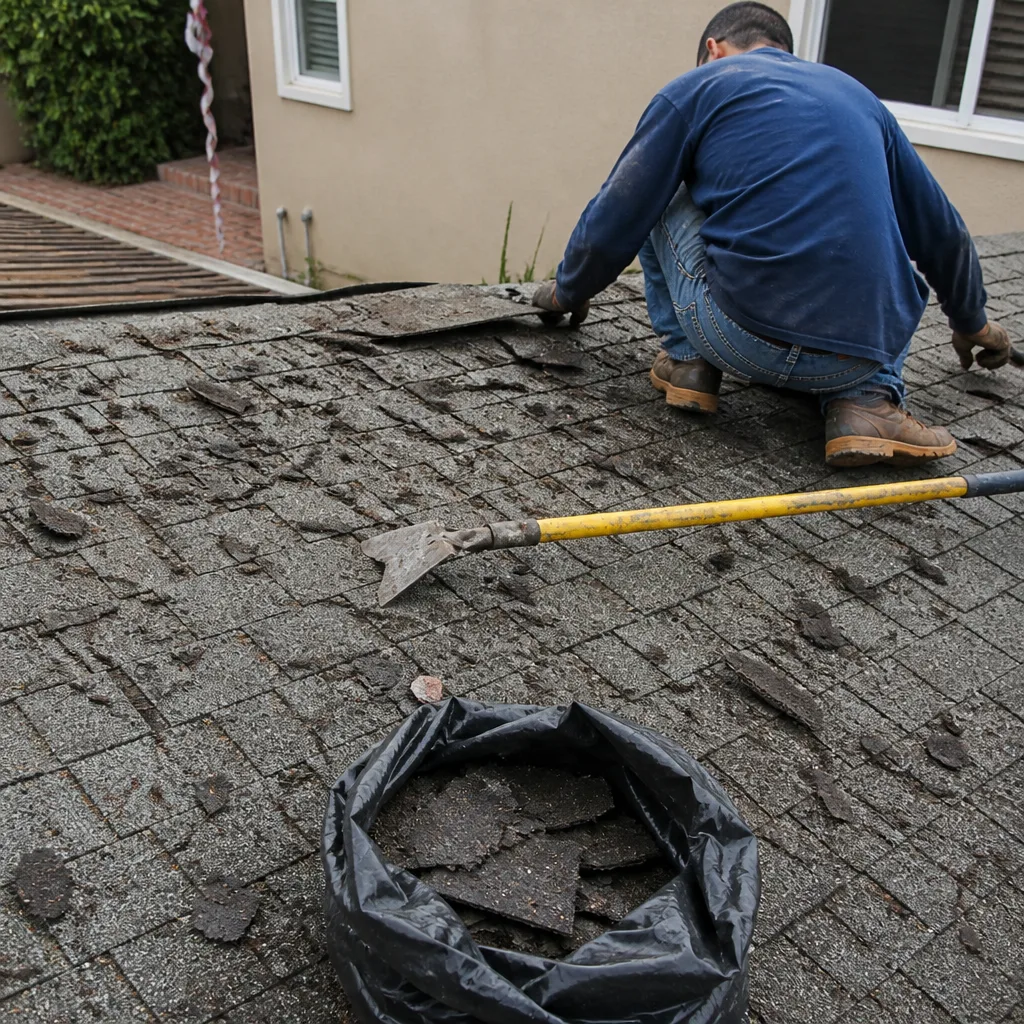 Before
 After
 Before
 After
 Before
 After