Last updated October 31, 2026
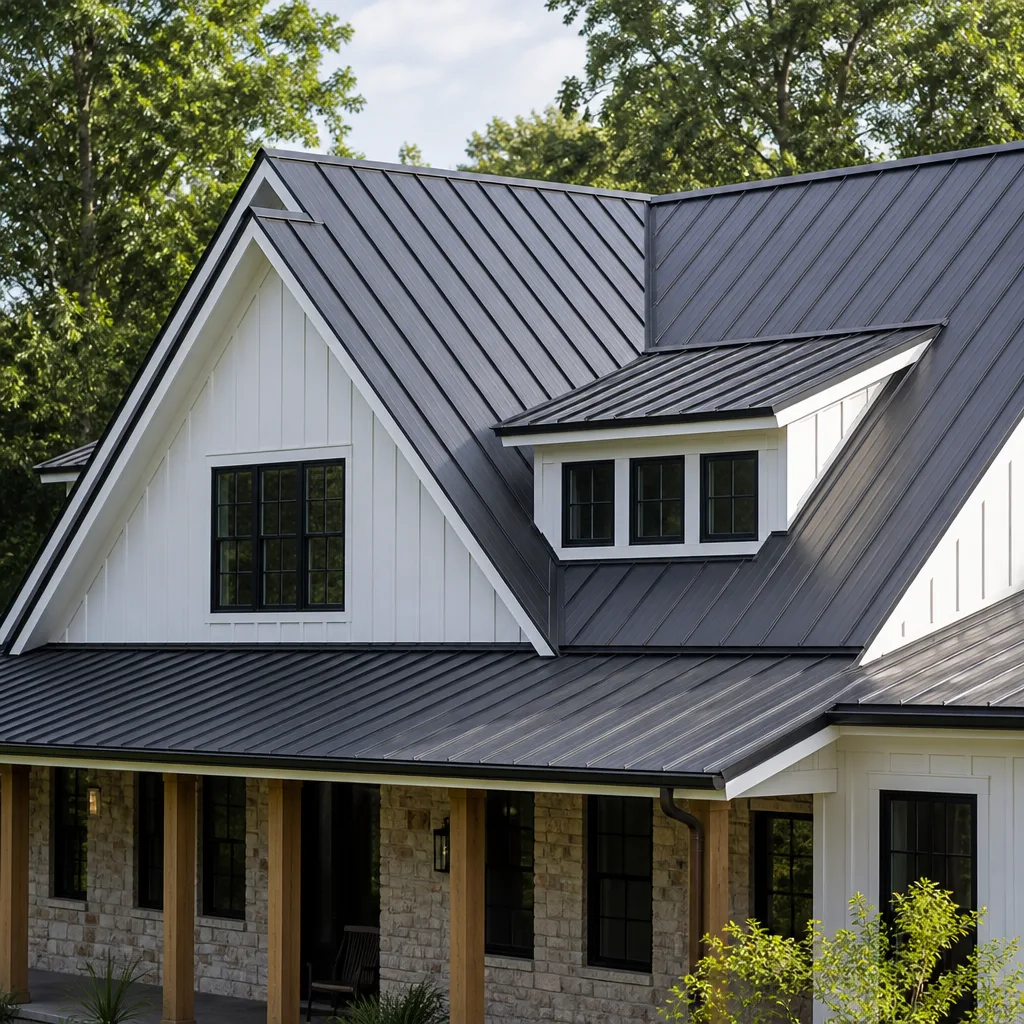 Metal roofing
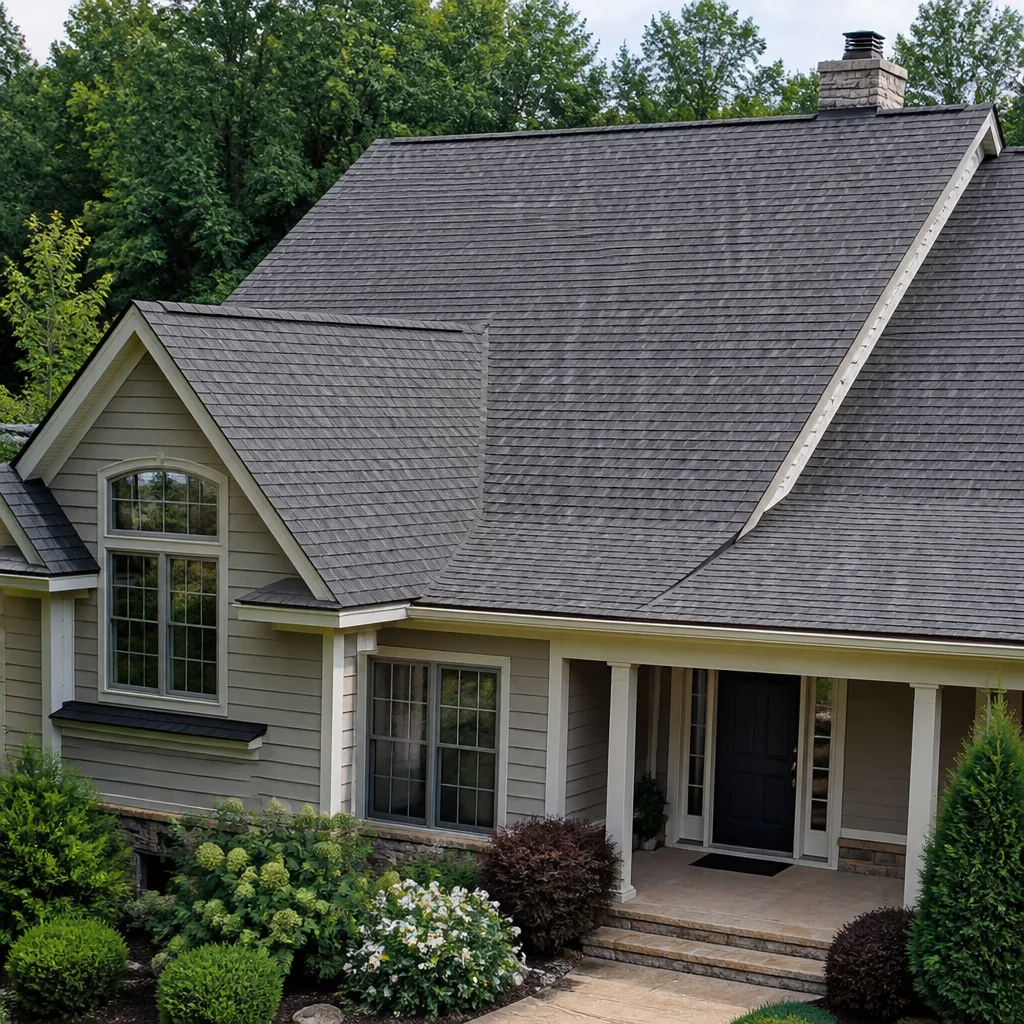 Architectural shingles
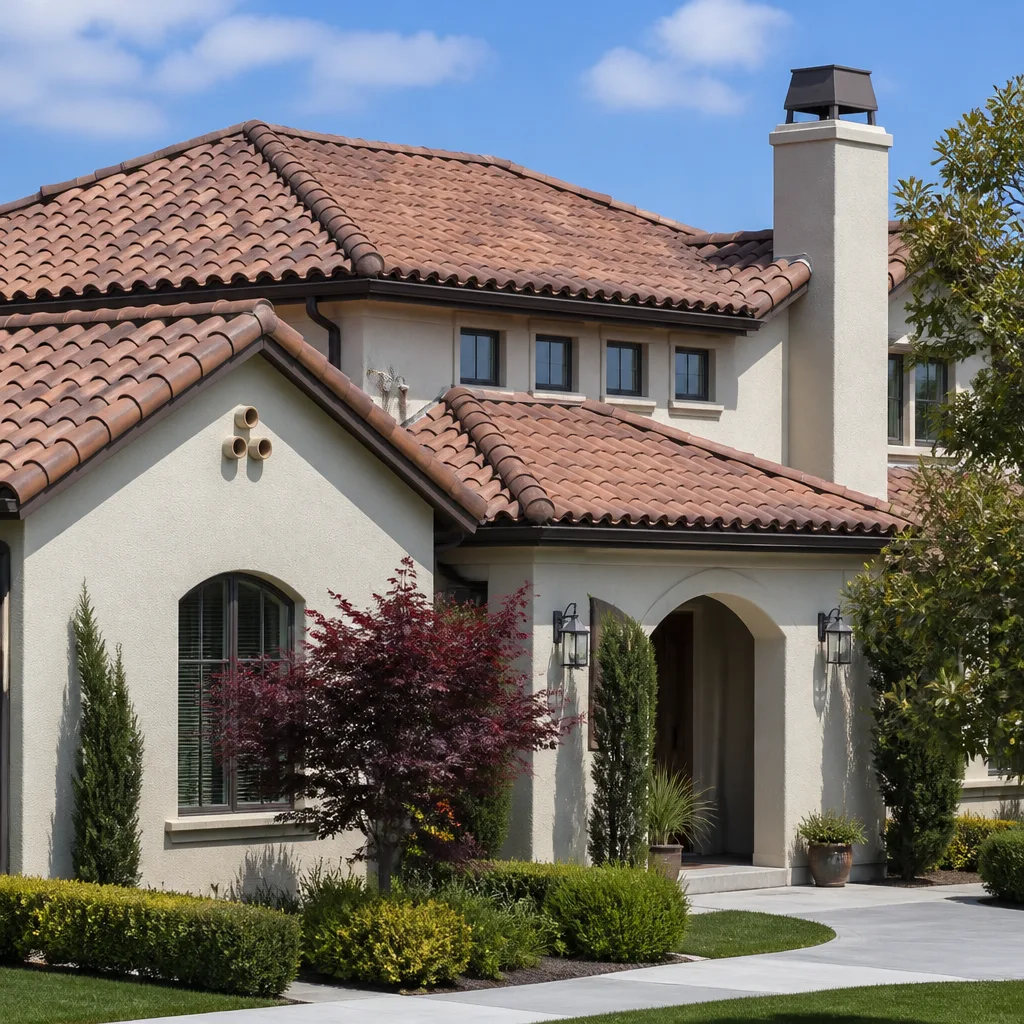 Tile roofing
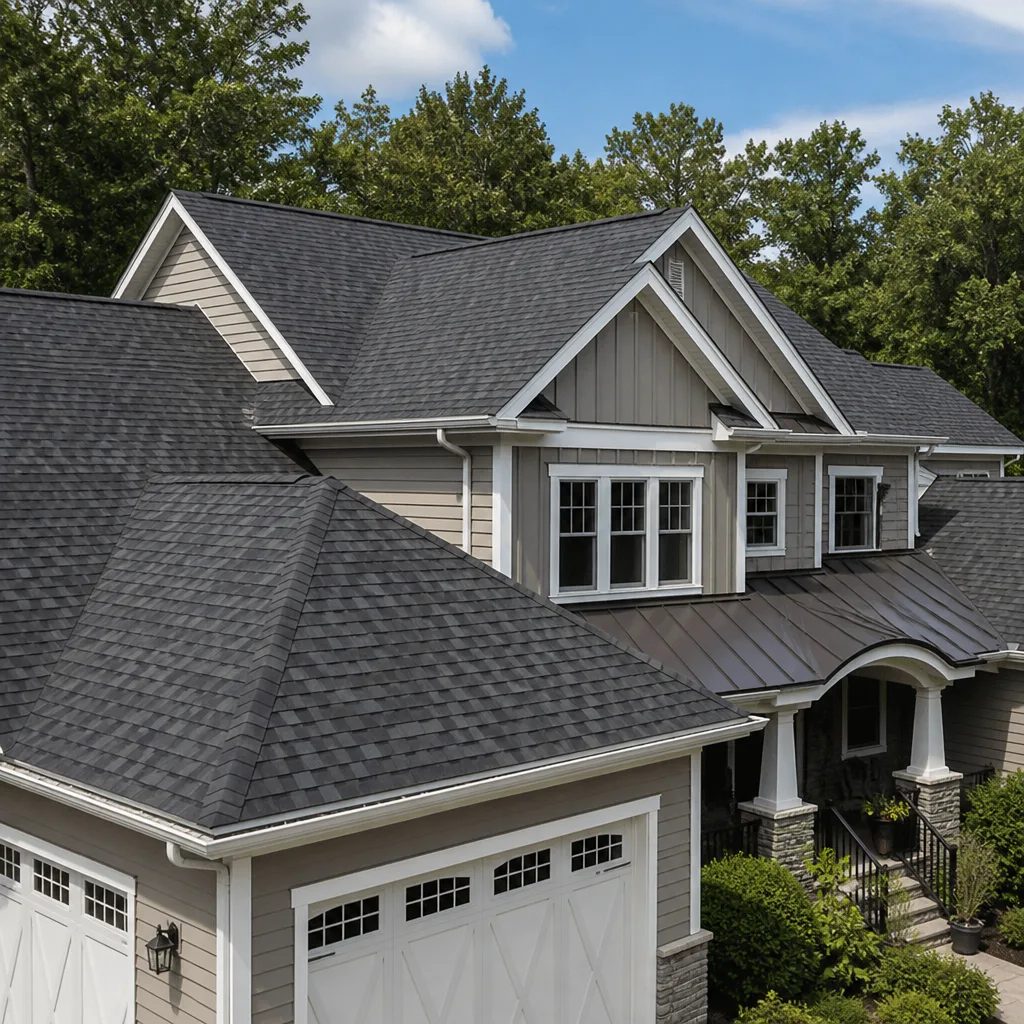 GAF
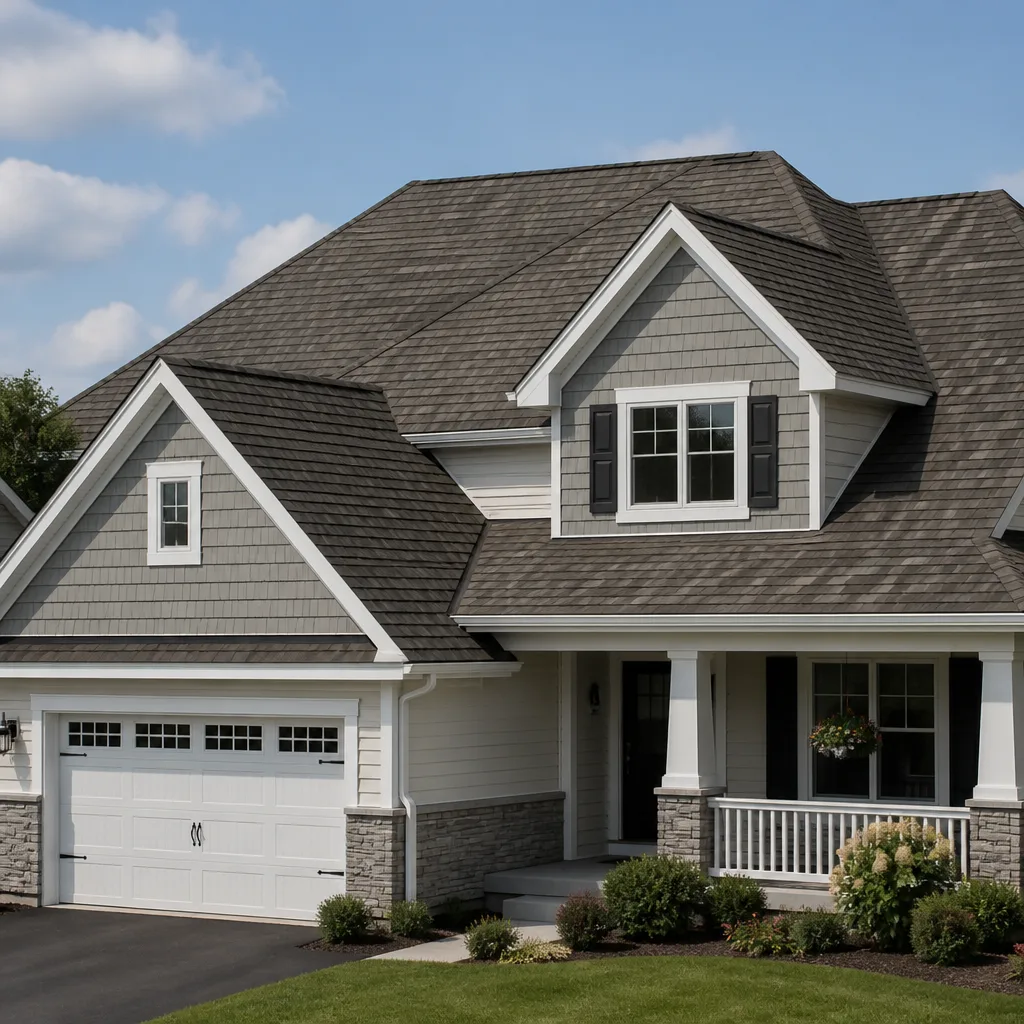 Owens Corning
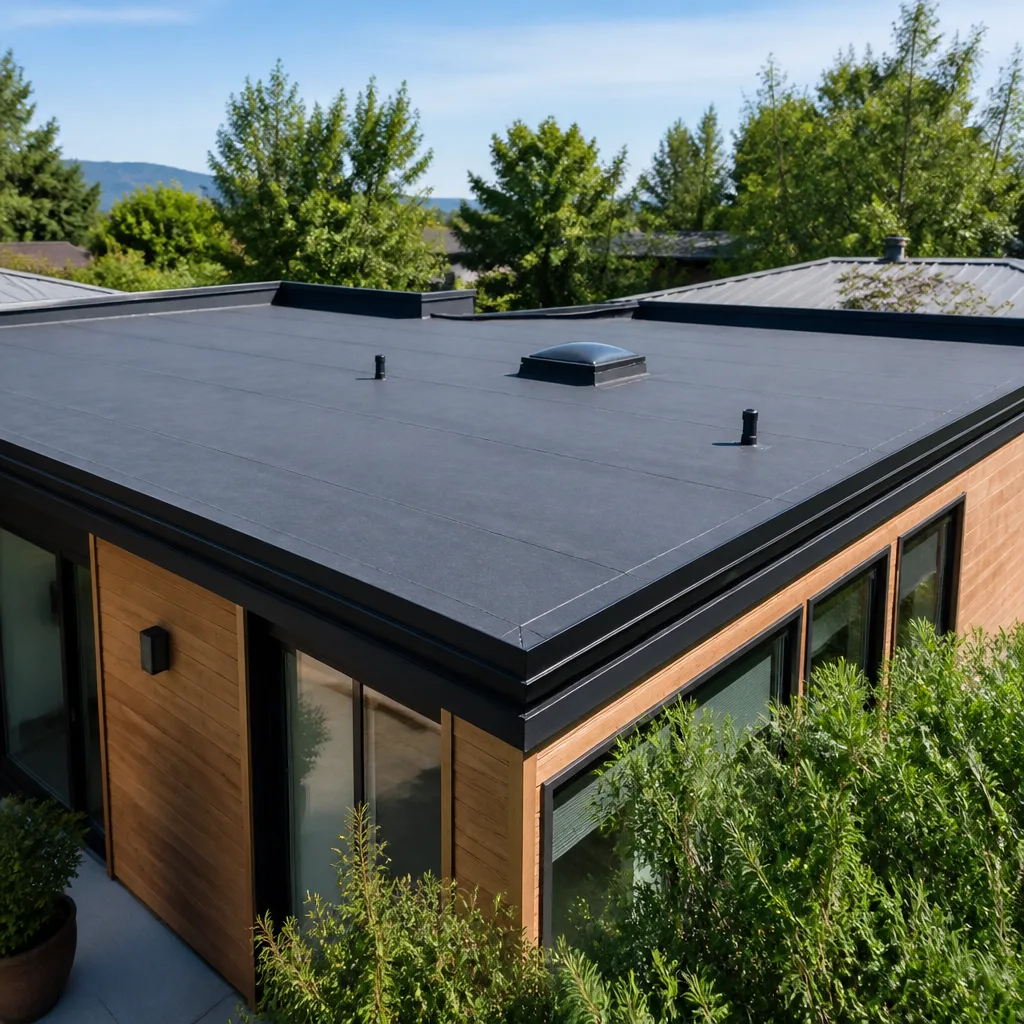 Flat & low-slope
Free roof inspection with deck photos before we talk money - GAF and Owens Corning certified installation
The Complete Guide to Roofing in Orange
Orange sits in a strange spot on the Southern California roofing map. Drive twenty minutes west and you’re in coastal air that keeps shingles cool and moist. But Orange is inland, tucked against the foothills where summer attic temperatures routinely climb past 160°F and Santa Ana winds funnel down through the canyons at 60 miles per hour or more. Most roofing guides written for “Southern California” are really written for the coast. This one isn’t. For The Complete Roof Repair Guide for Orange Homeowners, read on. We’re going to walk through what actually happens to roofs in Orange specifically, which materials hold up, what the local codes require, and how to make smart decisions when it’s time to inspect, repair, or replace.
Styles & brands we work with
Quick Answer
Roofing in Orange, CA requires materials and installation methods built for inland heat, UV exposure, and Santa Ana wind gusts, not coastal conditions. Homeowners should expect 15 – 25 years from asphalt shingles in this climate, prioritize wind-rated installation details at ridges and eaves, and get a professional inspection before deciding between repair and replacement. The right material for your roof depends on your home’s age, decking condition, and budget, not on what any single contractor happens to stock. See our DIY vs Professional Roofing: The Orange Homeowner’s Decision Guide for help deciding who should handle the work.
Table of Contents
- Why Orange’s Climate Is Harder on Roofs Than the Coast
- What Orange’s Post-War Tract Homes Mean for Your Roof Deck
- Materials Actually Permitted and Practical Under Orange’s Codes
- How Santa Ana Winds Stress Ridges, Rakes, and Eaves
- Why National Brand Lifespan Estimates Overstate Orange Performance
- Repair When You Can, Replace When You Must
- What a Real Roof Inspection in Orange Should Include
- Common Mistakes to Avoid
- When to Call a Professional
- Frequently Asked Questions
- The Bottom Line
Why Orange’s Climate Is Harder on Roofs Than the Coast
Orange sits roughly 10 miles inland from the Pacific, and those 10 miles change everything. Coastal cities like Newport Beach or Huntington Beach get marine layer mornings, moderate afternoon highs, and air that keeps roofing materials from baking all day. Orange doesn’t get that relief. Summer temperatures regularly push into the 90s, and the sun beats down on roof surfaces for 12 to 14 hours straight during June through September.
What does that actually do to a roof? Three things worth understanding.
First, heat accelerates chemical breakdown. Asphalt shingles contain oils that keep them flexible. Sustained high temperatures cook those oils out faster than coastal conditions do. A shingle that might last 25 years in a foggy beach town can lose meaningful flexibility in 15 to 18 years in Orange. That means earlier cracking, earlier granule loss, and earlier leaks.
Second, UV exposure in inland Orange is more intense than at the coast. There’s no marine layer filtering the sun. UV radiation degrades the asphalt itself, not just the surface granules. Over time, shingles become brittle and prone to breaking when walked on or hit by wind-blown debris.
Third, thermal cycling is more extreme here than most homeowners realize. A roof surface in Orange might hit 150°F at 3 p.m. and drop to 55°F by 3 a.m. That’s a 95-degree swing in 12 hours. Multiply that by 300 days of sun per year, and you get constant expansion and contraction. Fasteners loosen. Seals weaken. Flashing shifts. This is why roofs in Orange often show wear patterns that look “old” years before the shingle warranty would suggest.
For homeowners, the takeaway is simple: when you’re evaluating a roof in Orange, don’t use coastal lifespan assumptions. Our roofs work harder than roofs 10 miles west, and they should be inspected with that reality in mind. We’ve seen roofs in the Orange Park Acres area that looked fine from the street but had significant thermal fatigue at the south-facing slopes after 12 years.
What Orange’s Post-War Tract Homes Mean for Your Roof Deck
Orange is a city built in waves. The post-World War II housing boom filled neighborhoods like El Modena, the area around Handy Street, and the blocks north of Chapman Avenue with tract homes constructed quickly between 1945 and 1965. Those homes are now 60 to 80 years old, and the original roof decking underneath the shingles tells a story that matters for anyone considering a new roof.
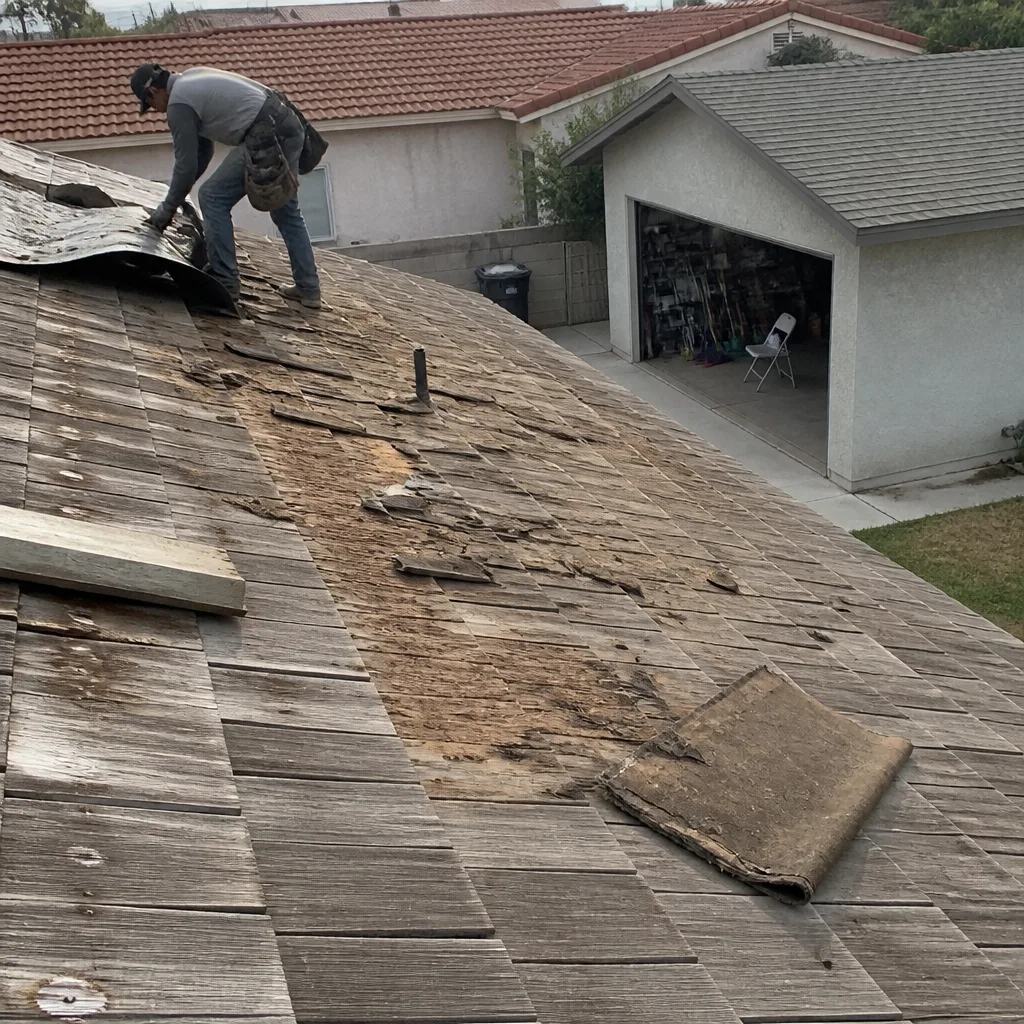
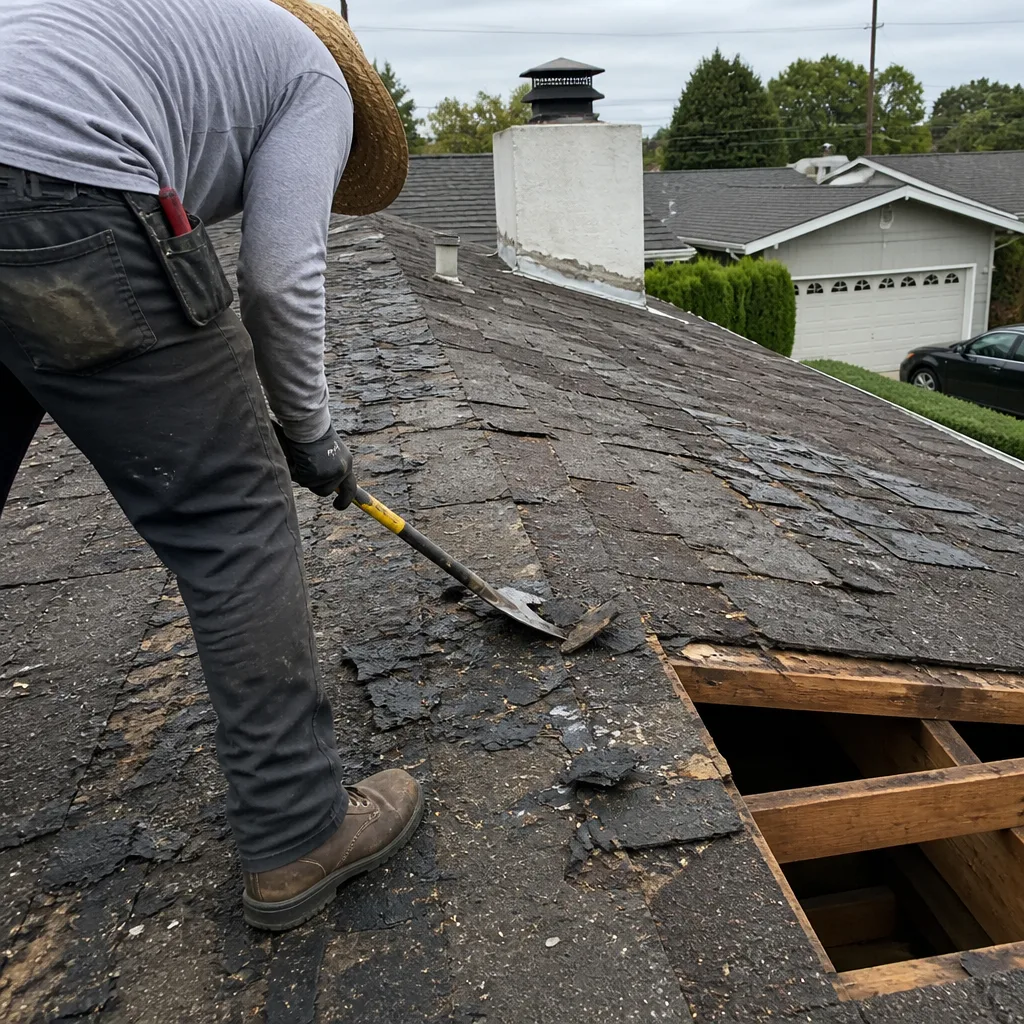
Most of these tract homes were built with 1×6 or 1×8 plank decking, often spaced apart rather than butted tightly together. Some used plywood, but many used solid wood planks that have now dried, shrunk, and sometimes warped after decades of attic heat. The problem shows up when roofers strip the old shingles and find gaps between decking boards, or sections where the wood has rotted around old nail penetrations from previous reroofs.
Here’s what that means for an Orange homeowner:
- Decking condition determines the true cost of replacement. If the decking is sound, the job moves quickly. If sections are rotted or gapped beyond code tolerance, those sections need replacement before new shingles go down. That adds material and labor cost that generic online estimates never include.
- Older homes often lack modern underlayment. Homes roofed before modern building codes sometimes have nothing between the shingles and the decking. Once the shingles fail, water goes straight to the wood. This is why roof leaks in Orange’s older neighborhoods often cause more interior damage than homeowners expect.
- Attic ventilation in post-war homes is frequently inadequate. Many original builds had minimal soffit vents and no ridge vent. Poor ventilation traps heat in the attic, which accelerates shingle aging from below and makes air conditioning work harder. When we inspect roofs in these neighborhoods, we frequently find attic temperatures 20 to 30 degrees hotter than necessary due to ventilation shortfalls that no roof shingle can fix on its own.
If you own a home built before 1970 in Orange, budget for the possibility of decking repairs when planning a roof replacement. A good contractor will tell you this before you sign. A rushed one will “discover” it after the old roof is already off. Our How to Hire a Roofing Contractor in Orange: A Step-by-Step Guide shows you what to look for. See it before you sign anything. That’s the whole point of a proper inspection.
Materials Actually Permitted and Practical Under Orange’s Codes
Orange has specific municipal code requirements for roofing, and they’re not always the same as what contractors from other cities assume. Before you fall in love with a particular material, know what the city allows and what actually makes sense for an inland Orange roof.
What the City of Orange Requires
The city’s building code requires roofing materials to meet California’s Title 24 energy standards, which include cool roof requirements for certain roof slopes and building types. For steep-slope residential roofs, the practical effect is that reflective shingle options often satisfy the requirement, while dark, non-reflective shingles may need additional justification or may fail energy compliance on certain homes. This isn’t a suggestion. It’s a code requirement that gets checked at permit inspection.
Orange also requires permits for full roof replacements and for repairs that exceed a certain scope. Any contractor telling you a permit isn’t needed for a full reroof is either misinformed or trying to avoid the inspection process. We pull permits and pass inspections on every replacement we do in Orange. It’s not optional.
Materials We Actually Recommend for Orange
- Asphalt shingles: The most common and practical choice. Within asphalt, brands like CertainTeed and Owens Corning make shingles with higher reflectivity ratings that help with Title 24 compliance and reduce attic heat gain. These remain the best value for most Orange homes.
- Concrete tile: Common in some Orange neighborhoods, especially newer developments. Concrete tile is heavy, requires a roof structure built to carry it, and handles heat well. It’s also considerably more expensive than asphalt and not always practical for post-war homes without structural upgrades.
- Metal roofing: Growing in popularity for its heat reflectivity and longevity. Metal handles Orange’s thermal cycling well, but it’s a different look and a higher upfront cost. Some HOAs in Orange restrict metal roof appearance, so check before you commit.
- Wood shake: Traditional in parts of Orange, but increasingly restricted due to fire code requirements. Most wood shake roofs in Orange have been or will be replaced with fire-rated alternatives.
One thing we tell every Orange homeowner: don’t let a contractor limit you to one brand. We work across seven shingle manufacturers, including CertainTeed, Owens Corning, IKO, and Atlas, because the right material for your roof depends on your specific slope, sun exposure, and budget, not on what a contractor happens to have a preferred-vendor arrangement with. The right material for your roof, not ours.
How Santa Ana Winds Stress Ridges, Rakes, and Eaves
Santa Ana winds are the wildcard in Orange’s roofing equation. They arrive most often between September and February, blowing hot, dry air from the high desert through the passes and canyons toward the coast. In Orange, wind gusts of 50 to 70 mph are not unusual during strong events, and those winds hit roofs in specific, predictable ways.
Understanding where wind stress concentrates helps you know what to check after every major Santa Ana event.
Ridges: The ridge is the peak of the roof where two slopes meet. In high wind, air accelerates over the ridge and creates uplift suction that tries to peel shingles away from the decking. Ridge cap shingles are especially vulnerable because they sit at the very top with minimal overlap. After a wind event, check for lifted, cracked, or missing ridge caps before anything else.
Rakes: Rakes are the sloped edges of the roof along the gable ends. Wind hitting the side of a home creates vortexes at these edges that pull shingles upward and outward. Rake edges are also where many roofs show their first signs of wind damage because the shingles there have only one side anchored.
Eaves: Eaves are the lower edges of the roof that overhang the walls. During Santa Ana winds, debris like palm fronds, tree branches, and even patio furniture gets airborne and strikes the roof, often at the eaves first. Eave damage is usually impact-related rather than uplift-related, but it’s just as important to address. A cracked eave shingle lets water into the decking during the next rain.
What to do after a Santa Ana event in Orange:
- Walk the perimeter of your home and look for shingles on the ground. If you see them, you already have active damage.
- Look at the ridge line from the street. From a distance, you can often spot missing or lifted ridge caps.
- Check your attic for water stains or daylight showing through the decking. This is best done in the morning when light is brightest.
- If you find anything concerning, schedule a professional roof inspection. We offer standalone inspections in Orange so you can get an objective picture of your roof’s condition without being pushed toward work you don’t need.
Santa Ana season is also the right time to think about wind-rated shingle options. Some asphalt shingles carry higher wind ratings than others, and installation method matters just as much as the shingle’s label. The right nailing pattern and sealant use can make a meaningful difference in how a roof survives the next big wind event.
Why National Brand Lifespan Estimates Overstate Orange Performance
Shingle manufacturers publish lifespan estimates that serve as useful comparisons between products, but they’re not promises about how long your specific roof will last in Orange. Here’s why those numbers tend to be optimistic here.
Manufacturer lifespan claims are typically based on testing under controlled conditions or on performance in moderate climates. A “30-year shingle” is telling you that the product is designed to last 30 years under favorable conditions with proper installation. Orange’s conditions are not favorable. The combination of sustained inland heat, intense UV, and thermal cycling that a coastal test home never experiences means the same shingle in Orange will age faster than its label suggests.
We’ve replaced 20-year shingles in Orange after 13 years of service. We’ve also seen 25-year shingles that looked genuinely worn at year 16. The pattern is consistent: in Orange, expect real-world shingle life to run 20 to 30 percent shorter than the manufacturer’s number, assuming the roof was installed correctly in the first place.
This is not a knock on the manufacturers. It’s a reality of the local climate. And it has practical implications:
- Don’t wait for the full lifespan number before scheduling a replacement. By the time an Orange roof hits 80 percent of its rated life, it’s often showing signs of imminent failure.
- Pro-rated warranty claim windows get less useful as the roof ages. A 30-year shingle’s warranty may only cover full material replacement in the first 10 years. After that, coverage is often prorated so heavily that the claim isn’t worth filing.
- The best predictor of remaining roof life is an inspection, not a calendar. A visual inspection by someone who knows what Orange thermal cycling does to shingles will tell you more than any manufacturer chart.
At Windmill Roof Repair, we carry seven brands because different Orange homes need different materials. A home with heavy south-facing exposure in the hills above Orange may benefit from a UV-resistant shingle from one manufacturer, while a shaded home in Old Towne Orange can use a different product entirely. Seven brands, one crew, and honest guidance about which one fits your actual roof.
Repair When You Can, Replace When You Must
Every roofing contractor makes money on replacements. That’s just the economics of the trade. The question is whether your particular roof actually needs one. Our position at Windmill Roof Repair is simple: repair when you can, replace when you must.
Here’s how we think through that decision in Orange.
When repair is the right call:
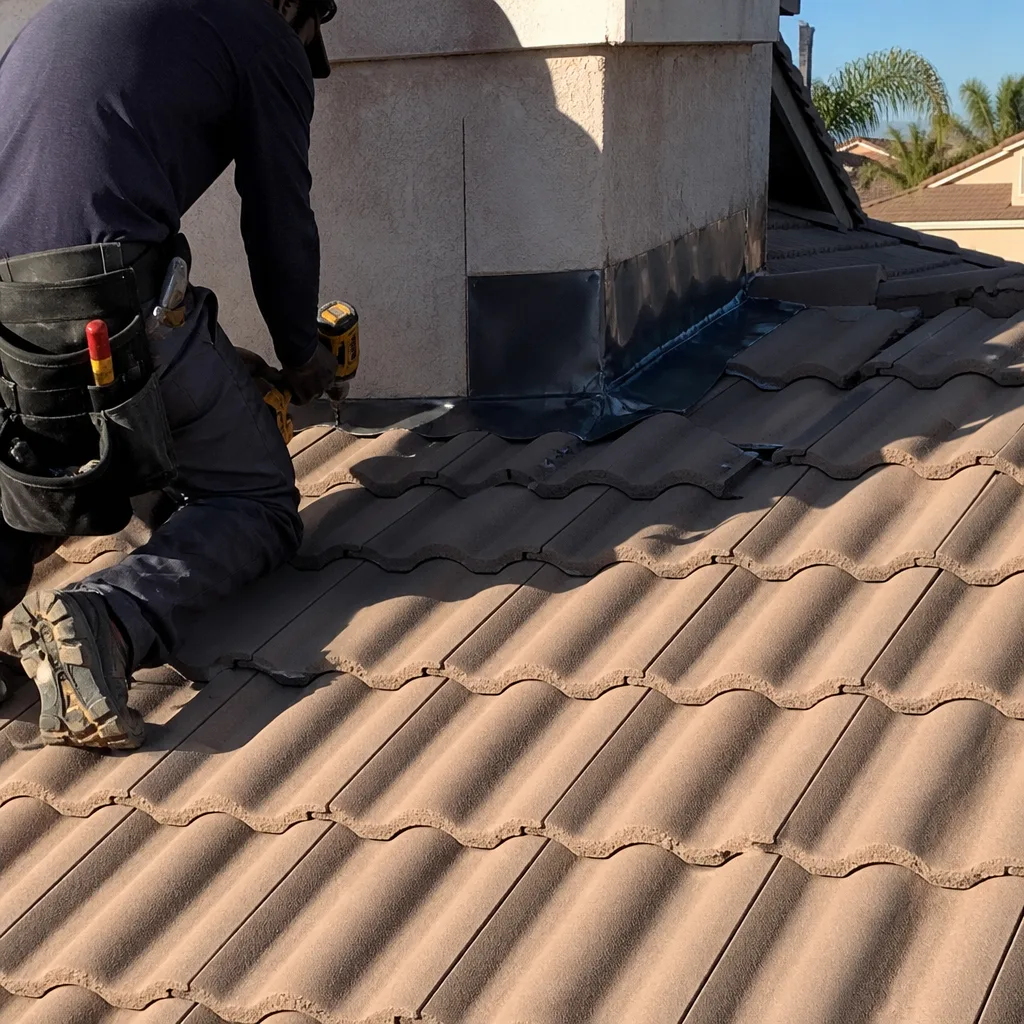
- Isolated damage. A single storm took off a few shingles near the rake. A falling branch punctured one area. A chimney flashing failed. These are repair jobs.
- Localized wear. The south-facing slope shows granule loss while the rest of the roof is sound. Targeted repairs can buy years of additional life.
- Minor flashing issues. Pipe boots, valley metal, or step flashing that has come loose can often be resecured or resealed without touching the field shingles.
- Intermittent leaks around penetrations. A leak around a vent pipe or skylight is usually fixable without replacing the roof.
When replacement makes more sense:
- Widespread granule loss. If bare asphalt is visible across multiple slopes, the roof is near the end regardless of age.
- Repeated leaks in different locations. When leaks keep appearing in new spots, the waterproofing layer is failing generally, not just locally.
- Decking rot. If an inspection reveals soft or rotted decking in multiple areas, spot repair becomes a losing game.
- Multiple slopes showing wind damage. After years of Santa Ana seasons, cumulative wind damage across the whole roof often makes replacement the better long-term value.
This is where a standalone inspection is worth its weight. We offer roof inspections in Orange as a no-commitment service. You get a clear picture of what’s wrong, what’s still fine, and what your options are. No pressure. No default recommendation to replace. Just an honest assessment. See it before you sign anything.
What a Real Roof Inspection in Orange Should Include
A roof inspection isn’t a formality, and it shouldn’t be a sales pitch. A real inspection gives you a complete picture of your roof’s condition so you can make informed decisions. Here’s what we include in every Orange roof inspection.
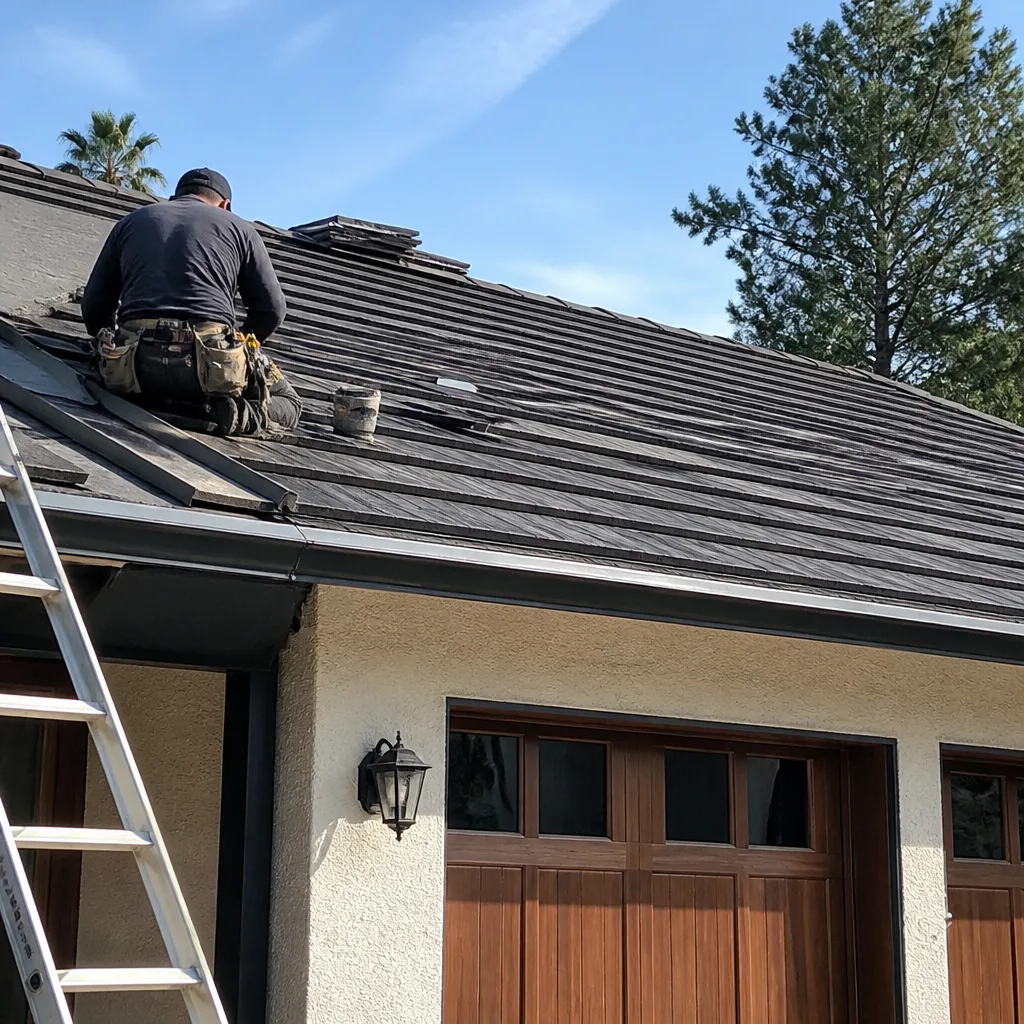
1. Exterior roof surface assessment. We walk the roof (when safe and practical) and examine shingles for granule loss, cracking, curling, lifting, and impact damage. We pay special attention to south and west faces, which take the most sun in Orange’s climate, and to ridges, rakes, and eaves where Santa Ana winds concentrate stress.
2. Flashing inspection. All roof penetrations get checked: chimney, vents, pipes, skylights, valley transitions. Flashing failures are the number one source of roof leaks in Orange, and they’re often the cheapest thing to fix if caught early.
3. Attic inspection. We go into the attic to check for water stains, daylight penetration, decking condition, and ventilation. This is where heat-related issues show up first, and where post-war homes in Orange often reveal their age.
4. Interior ceiling check. We look at ceilings and walls in the rooms under the roof for subtle water marks that homeowners may not have noticed. A faint stain above a window can be the first sign of a flashing leak.
5. Ventilation evaluation. Attic ventilation matters enormously in Orange’s hot climate. We assess whether your current venting is adequate for the size and layout of your attic, and we’ll tell you if it isn’t, even if it means recommending a fix that isn’t part of a reroof job.
6. Written findings with photos. You get a written report with photos of what we found. If repairs are needed, you’ll see exactly where and why. If your roof is fine, we’ll tell you that too. We won’t manufacture problems to create work.
We offer this inspection as a standalone service in Orange. You don’t have to commit to anything else. For more guides & resources on roofing in our area, visit our blog. If we do find issues, we can handle repairs or a full replacement if needed. Windmill Roof Repair covers the full roof lifecycle under one contractor, so you’re not juggling separate companies as your roof ages.
Common Mistakes to Avoid
- Using coastal roofing assumptions in Orange. Contractors or guides based on beach-city experience underplay the heat and UV exposure that shorten roof life in inland Orange. Ask specifically about inland performance before trusting any estimate.
- Skipping the permit for a full replacement. The City of Orange requires permits for roof replacements, and unpermitted work creates problems when you sell the home. A contractor who suggests skipping permits is asking you to take a serious legal risk.
- Choosing the cheapest shingle without considering heat performance. The least expensive asphalt shingle often has the lowest reflectivity, which means higher attic temperatures and faster aging in Orange’s summer conditions.
- Ignoring attic ventilation. A new roof on a poorly ventilated attic will age prematurely no matter how good the shingles are. Ventilation is part of the roofing system, not an add-on.
- Waiting for leaks before acting. By the time water reaches your ceiling, the damage has been underway for a while. Regular inspections catch problems at the repair stage, not the replacement stage.
- Replacing a roof that only needs repair. This one hurts because it’s so common. Some contractors push replacement because it’s more profitable. Get a second opinion if a contractor recommends replacement after only a quick look from the ground.
- Not checking decking condition on pre-1970 homes. If your Orange home was built in the post-war boom, plan for potential decking work during your next reroof. “Discovering” it after the old roof is off is a preventable surprise.
When to Call a Professional
Some roofing issues are obvious and urgent. A visible leak dripping through the ceiling. A branch hole you can see from the ground. Missing shingles after a windstorm that expose the underlayment. These are all situations where waiting makes the problem worse, and a professional should be out quickly.
Other situations are less obvious but just as important. A roof that’s 15 years old in Orange’s climate deserves a professional assessment even if it looks fine from the street. A home you’re about to sell benefits from a documented inspection that signals transparency to buyers. An attic that’s noticeably hotter than the rest of the house suggests a ventilation problem worth addressing before it shortens your roof’s life.
Windmill Roof Repair offers free estimates in Orange. Call (866) 850-2496 to schedule an inspection or discuss concerns about your roof. We’ll tell you honestly what needs fixing and what doesn’t.
Frequently Asked Questions
Asphalt shingle roofs in Orange typically last 15 to 22 years due to inland heat, intense UV exposure, and thermal cycling that accelerates aging faster than coastal locations. Higher-quality shingles with good reflectivity and proper ventilation can extend that range, but expect real-world life to run shorter than manufacturer estimates.
Yes, the City of Orange requires a building permit for full roof replacements, and repairs above a certain scope may also require permits. A licensed contractor should handle the permit process for you and ensure the work passes city inspection.
In many cases, yes. Isolated damage from storms, localized granule loss, and flashing failures around pipes or chimneys can often be addressed with targeted repairs. A standalone roof inspection will tell you whether repair is still a good investment or whether your roof has reached the point where replacement is the better call.
Roof inspection costs vary by contractor and scope, but Windmill Roof Repair offers inspections as a standalone service with no commitment to further work. Call (866) 850-2496 to discuss your roof and schedule an inspection.
For most Orange homes, high-quality asphalt shingles with good reflectivity are the best balance of cost, performance, and code compliance. Concrete tile and metal roofing can also perform well in Orange’s heat, but they’re more expensive and may require structural upgrades on older post-war homes.
After a Santa Ana event, walk your property and look for shingles on the ground, then check ridges, rakes, and eaves for lifted, cracked, or missing shingles. Also check the attic for water stains or visible daylight. If you find anything concerning, call a professional for a full inspection rather than assuming the damage is cosmetic.
The Bottom Line
Roofing in Orange is a distinct challenge from roofing on the coast, and homeowners here need to plan for that reality. Inland heat and UV exposure shorten shingle life. Santa Ana winds attack specific roof zones. Post-war construction means decking and ventilation issues that generic guides miss. And national lifespan estimates overstate what Orange’s thermal cycling actually allows.
The right approach is the one we’ve laid out here: get a real inspection before making decisions, repair when you can and replace when you must, choose materials based on your roof’s actual needs rather than a contractor’s inventory, and never skip the permit process. If you have questions about your Orange roof, Windmill Roof Repair home is where you’ll find clear answers and honest guidance. For targeted services, see our Roof Repair in Pico Rivera page or our Roof Replacement in Pico Rivera page. We also offer Roof Inspection in Pico Rivera as a standalone service, same as we do here in Orange.
Written by the team at Windmill Roof Repair, serving Orange since 2018.
See the difference
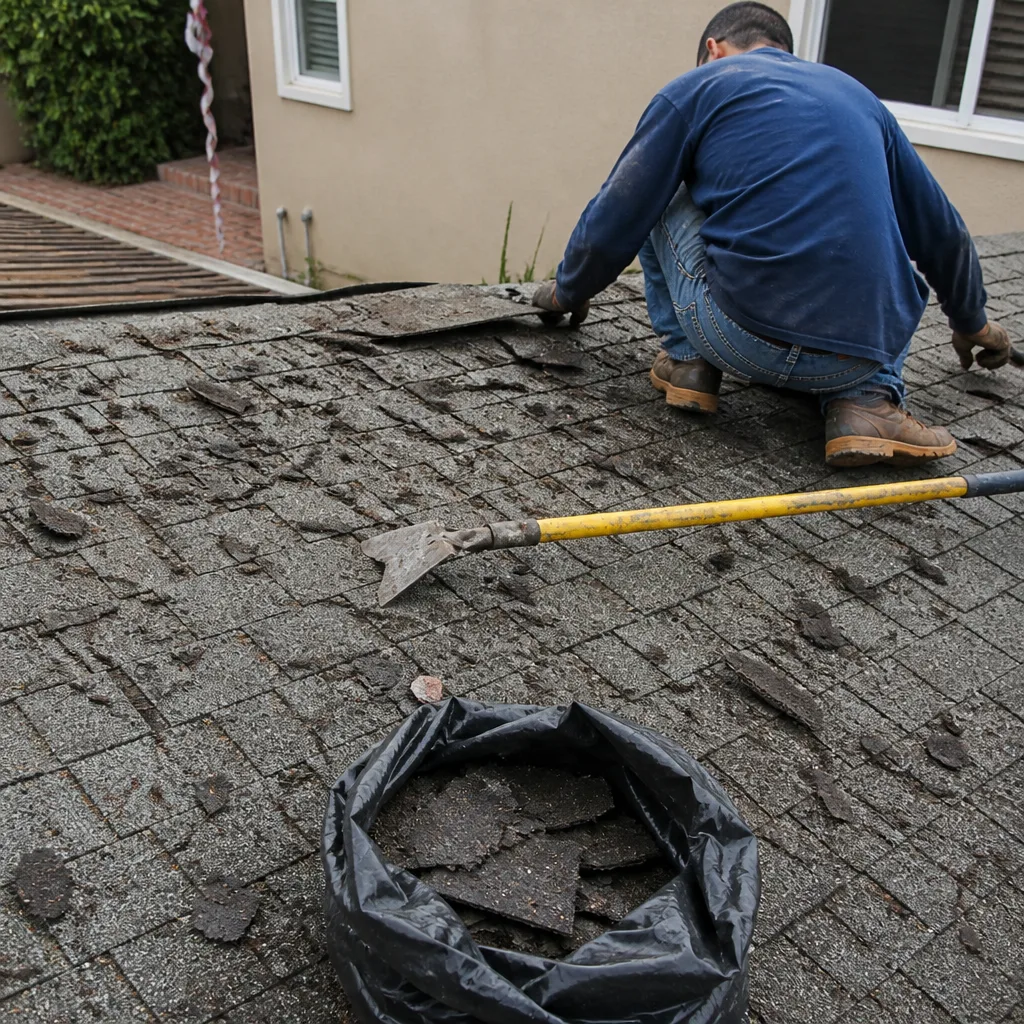 Before
 After
 Before
 After
 Before
 After