
Last updated October 31, 2026
 Architectural shingles
 Metal roofing
 Tile roofing
 GAF
 Owens Corning
 Flat & low-slope
Free roof inspection with deck photos before we talk money - GAF and Owens Corning certified installation
Roof Repair Maintenance Checklist for Orange Homeowners
The most expensive roof repairs in Orange aren’t caused by storms. They’re caused by homeowners doing nothing in September because “it hasn’t rained yet.” By the time the first winter rain hits, the damage has already been sitting there for months, quietly working its way under shingles and into decking. This guide is built around Orange’s actual weather calendar, not a generic spring-and-fall template. You’ll learn what to check, when to check it, what you can safely do from the ground, and what belongs in the hands of a trained roofer.
Styles & brands we work with
Quick Answer
A roof maintenance checklist for Orange homeowners should be sequenced around two critical windows: late August through October, before Santa Ana winds arrive, and November through January, after the first significant rain. Prioritize clearing debris from valleys and drainage points, inspecting flashing and sealant around penetrations, checking fascia and soffit for moisture damage, and documenting shingle condition from the ground with binoculars or a phone camera. Anything requiring you to walk the roof surface belongs with a professional.
Table of Contents
- Why Orange’s Weather Pattern Changes the Checklist Order
- September Through October: The Pre-Santa Ana Window
- November Through January: After the First Real Rain
- Flat and Low-Slope Roof Checks for Orange’s Ranch and Mid-Century Homes
- Fascia and Soffit: The Overlooked Warning Signs
- Gutter and Drainage Checks Calibrated to Orange’s Rain Pattern
- What You Can Safely Check From the Ground vs. What Needs a Roofer
- Common Mistakes to Avoid
- When to Call a Professional
- Frequently Asked Questions
- The Bottom Line
Why Orange’s Weather Pattern Changes the Checklist Order
Most roofing maintenance guides are written for places with four distinct seasons, where you prep in fall and recover in spring. Orange doesn’t work that way. We get roughly 13 to 15 inches of rain per year, almost all of it falling between November and March. Then we get eight months of dry heat, UV exposure, and seasonal Santa Ana winds that can gust through the canyons at 40 to 60 miles per hour.
The important shift is this: the damage window in Orange starts before the rain, not after it. Shingles don’t fail the day it storms. They fail after months of heat has baked the adhesives and dried out the sealant around vents and pipes. When the Santa Anas arrive in October and November, they lift edges that have already lost their bond. Then the rain finds those openings. By the time you see a ceiling stain in January, the actual roof damage might be six months old.
That’s why this checklist runs September through January, with lighter touchpoints throughout the year. It’s built for the climate we actually live in, not the one national home magazines assume everyone has.
We’ve also seen how this plays out across Orange’s housing stock. The city has a high concentration of ranch-style homes built between the 1950s and 1970s, many with low-slope roofs that shed water more slowly than steep gables. In older neighborhoods near Old Towne Orange, we regularly find fascia and soffit issues that have been developing for years because nobody thought to look until paint started peeling.
September Through October: The Pre-Santa Ana Window
This is the window that saves roofs. The air is still dry, the days are warm, and nothing has happened yet to make you think about your roof. That’s exactly why this is when the real work happens. If you only do one roof task all year, do it between Labor Day and Halloween.
The goal here is simple: find and fix anything that Santa Ana winds can exploit before the winds get here.
Your September-October Checklist
- Clear every valley and drainage path. Leaves from sycamores, oaks, and the heavy leaf litter from neighborhood trees pile up in roof valleys. A clogged valley sends water sideways under shingles instead of down and off. If you can reach valleys safely from a ladder or from the ground with a long pole, clear them now.
- Inspect pipe boots and vent collars from the ground. The rubber gaskets around plumbing vents crack in Orange’s UV exposure within 5 to 10 years. Use binoculars. Look for visible splits, missing chunks, or gaskets that have pulled away from the pipe.
- Check ridge caps and hip lines. These take the brunt of Santa Ana wind lift. Walk the property perimeter and look for missing granules, exposed nail heads, or caps that sit visibly higher than the shingles around them.
- Scan the flashing at every wall intersection. H
ere’s where stucco meets shingles, sealant shrinks. Look for gaps, cracks, or rust streaks. A tube of high-quality roofing sealant can fix a small gap today that would leak in January.
- Trim branches that overhang the roof. Santa Ana winds whip branches against shingles, scraping away granules and occasionally puncturing shingles. Cut anything within three feet of the roofline.
- Document everything you see. Take photos with your phone, even if you’re not sure something is a problem. Having a dated baseline makes it much easier to compare after storms.
None of these tasks require walking on the roof surface itself. That’s intentional. A roof inspection from the ground, done carefully with binoculars and a camera zoom, catches 70 to 80 percent of common issues. The other 20 percent is what professionals find when they walk the surface and lift shingles at key points.
If you find something that concerns you during this window, a Roof Inspection in Pico Rivera is also available from Windmill Roof Repair as a standalone service. You don’t have to commit to repairs to get a professional assessment, and the report gives you a clear picture of what needs attention now versus what can wait.
November Through January: After the First Real Rain
The first rain that actually saturates the ground and runs off the roof is your second critical checkpoint. For most Orange homeowners, that happens between late November and early January. The rain itself does two things: it reveals every gap that the dry season hid, and it creates the conditions where existing water damage accelerates fast.
Once the first real storm passes, go outside while the ground is still damp, or within 24 hours after it dries.
Your Post-Rain Checklist
- Walk the attic or crawlspace with a flashlight. Look at the underside of the roof decking around every penetration: pipes, vents, chimneys, skylights. Dark staining, water trails, or discolored wood means water got in. Don’t wait for a ceiling stain; by then the damage is further along.
- Check the interior ceilings in every room, including closets. Look for subtle yellowing, bubbling paint, or a faint outline of water staining. Small leaks often show in closets or corners before they show in the middle of a room.
- Examine the gutter outlets. If the gutters ran water during the storm, you should see debris flushing out. If one downspout is dry while the others flow, something upstream is blocked.
- Look at roof edges for lifting. Rain adds weight to shingles and water swells the underlayment slightly. Edges that were already loose will be more obvious now. Look for shingles that don’t sit flat, especially along rake edges and eaves.
- Inspect skylight and chimney flashing up close if you can safely do so from a ladder. These are the most common post-rain leak points. Look for wet sealant, gaps, or daylight visible behind flashing.
One habit that saves Orange homeowners a lot of money: after every significant storm, check the same five things. The first storm of the season is the most important, because it’s the one most likely to expose new problems after eight dry months. But subsequent storms can worsen small leaks into big ones, especially if a shingle was already loose.
If you notice any sign of moisture intrusion, don’t wait for a second storm to confirm. A targeted repair now costs a fraction of a full replacement later. We do a lot of Roof Repair in Pico Rivera that started as a small leak a homeowner noticed in December and monitored until March, by which point the decking needed replacement too.
Flat and Low-Slope Roof Checks for Orange’s Ranch and Mid-Century Homes
Orange has a large number of ranch and mid-century homes with flat or very low-slope roof sections, particularly in neighborhoods built between the 1950s and early 1980s. These roofs behave differently from steep shingle roofs, and they fail in different ways. If your home has any flat section, whether it’s a carport, patio cover, or the main roof itself, these checks matter even more than shingle checks.
Flat roofs in Orange typically use one of three systems: built-up roofing (layers of felt and asphalt), modified bitumen (peel-and-stick or torch-down sheets), or a single-ply membrane like TPO or PVC. Each has its own failure modes, but the inspection points are similar.
What to Check on a Flat or Low-Slope Roof
- Standing water after rain. Flat roofs should drain within 24 to 48 hours after rain stops. If you see ponding water that lingers longer, over repeated years, it will degrade the membrane and eventually leak. Ponding on a flat roof is not normal. It means the drainage slope has failed or a drain is blocked.
- Cracks and alligatoring on built-up roofs. The surface of an aging asphalt roof starts to look like dried alligator skin. Small cracks are normal on an older roof. Wide, deep cracks that hold water are a problem and need professional patching.
- Seam separation on single-ply membranes. TPO and PVC roofs have heat-welded seams. Over time, and especially after heavy UV exposure in Orange’s summers, seams can open. Look for lifting edges or visible gaps. Water gets in at the seam and travels far from the entry point.
- Debris around drains and scuppers. A single piece of plastic or a cluster of leaves over a flat roof drain will turn the entire roof into a shallow pond. Flat roofs in Orange’s older neighborhoods are especially vulnerable because mature trees drop constant debris.
- Parapet wall flashing and counterflashing. Flat roofs often terminate at parapet walls with metal cap flashing. If the cap is loose or the sealant has shrunk, water runs directly into the wall cavity. These leaks often show up far from the actual opening, which makes them expensive to trace.
One of the advantages of working with a roofer who handles multiple material systems is that the advice stays neutral. For flat roof repairs, the right fix depends on what’s already up there. CertainTeed and Owens Corning both make excellent products for low-slope applications, but neither is universally correct for every Orange home. The roof tells you what it needs. We just translate that into material options that fit the budget.
If you have a flat roof section and haven’t had it professionally assessed in the last three years, a Roof Replacement in Pico Rivera consultation is often the first place homeowners learn their flat section is aging faster than the pitched section. Sometimes the answer is a targeted repair. Sometimes it’s replacement of just the flat section. The key is knowing which one you’re dealing with before the rainy season peaks.
Fascia and Soffit: The Overlooked Warning Signs
Fascia is the vertical board that runs along the roof edge, holding the gutters. Soffit is the horizontal underside of the roof overhang. In Orange’s older neighborhoods, particularly around Old Towne and the mid-century tracts to the east, these components are often original to the house. That means 50 to 70 years of exposure. When fascia and soffit fail, they don’t just look bad, they open a direct path for water, rodents, and birds into the attic and wall cavities.
Here’s what to look for from the ground:
- Peeling paint or exposed wood on fascia boards. This means the board has been getting wet repeatedly. Fascia gets wet when gutters overflow, when shingle edges don’t overhang far enough, or when the drip edge is missing or incorrectly installed. Paint failure on fascia is a moisture signal, not just a cosmetic issue.
- Soft spots you can press with a screwdriver handle from a ladder. Don’t push hard; just test. Wood that yields is compromised and will continue to rot. Rotted fascia won’t hold gutter brackets, which means the gutter pulls away, which means more water on the fascia. It’s a cycle.
- Soffit panels that sag, crack, or show water staining. Soffit covers the attic ventilation. If soffits are cracked or have pulled loose, animals get in and attic airflow gets disrupted. Compromised attic ventilation shortens shingle life in Orange’s hot summers significantly.
- Gaps where fascia meets the roofline. Look up from below at the seam between the roof deck and the fascia. You should see a metal drip edge. If you see daylight or a gap, water is getting behind the fascia.
- Nests or debris visible inside soffit vents. Once birds or rodents are in, the damage multiplies quickly. This also means the attic is accessible to them, and they’ll damage insulation, wiring, and the underside of the roof decking.
Fascia and soffit repair is roof-adjacent work that most tile and shingle specialists don’t touch. But it’s inseparable from a working roof system. If your fascia is rotted, replacing shingles won’t stop the leak at the edge. We handle it as part of the roofing scope when needed. If you’re seeing any of the warning signs above, start with a phone call and a description of what you’re looking at, and we’ll tell you honestly whether it needs a repair or just monitoring.
Gutter and Drainage Checks Calibrated to Orange’s Rain Pattern
Orange gets most of its rain in a handful of intense storms, not in a steady drizzle. A system that handles a half-inch of rain slowly might be completely overwhelmed by two inches in an hour, which happens more often than people think in Southern California. The gutters and downspouts on an Orange home need to be ready for short bursts of heavy flow.
Gutters that fail do more than redirect water onto the lawn. They overflow onto fascia, saturate the soil around the foundation, and send water backward under the eaves where it can wick into the roof decking. In Orange’s flat-lot and slab-foundation homes, this extra run-off contributes to foundation movement and expansive soil issues.
Gutter and Drainage Checklist
- Clean gutters in late September before the leaves really start coming down, and again in November after the first tree debris hits. Orange’s urban tree canopy drops leaves continuously from early November through January. One cleaning won’t last the season.
- Check downspout discharges. Downspouts should extend at least 3 to 5 feet from the foundation and discharge onto a sloped surface or splash block. If water pools at the base of the downspout, the system is just moving the problem from the roof to the foundation.
- Look for gutter sag or pitch issues. From the ground, gutters should run straight. If you see a dip, water will sit and overflow at that point. A level that sits flat for more than a few feet won’t drain properly. Fixing the pitch is usually a quick bracket adjustment.
- Check for gaps at gutter seams and end caps. Dripping at a seam during rain means the sealant has failed. This is easy to miss when it’s dry, but a small leak at the corner of a gutter can saturate the fascia board behind it over years.
- Inspect the area where the gutter meets the roof edge. The drip edge should direct water into the gutter, not behind it. If you see water running down the fascia face during rain, the drip edge is either missing, too short, or the gutter is installed too low.
- Observe your gutter flow during the next heavy rain. This is the most underrated diagnostic available. Stand outside during or immediately after a downpour and watch what happens. You’ll see exactly where the system is failing, faster than any dry inspection can tell you.
Gutter problems are often the first sign that a roof system needs attention. If your gutters overflow even after you’ve cleaned them, the issue might be roof debris washing into them, or it might be a drainage design problem that has been there since the house was built. Either way, it’s worth having a roofer take a look while the problem is small.
What You Can Safely Check From the Ground vs. What Needs a Roofer
There’s a clear line between homeowner maintenance and professional work. The goal of this checklist is to help you monitor your roof consistently without putting yourself in a position where a fall turns a maintenance task into an emergency room visit. Here’s how we split it.
Safe to Do From the Ground or a Ladder (Homeowner Level)
- Binocular inspection of shingles, flashing, vents, and ridge caps
- Clearing debris from valleys and gutters with an extension tool while standing on the ground
- Trimming overhanging branches that you can reach with a pole saw from the ground
- Checking fascia and soffit by walking the perimeter and using a ladder at gutter height
- Attic inspections for water staining after rain
- Downspout and drainage observation during rain
- Sealing small, reachable gaps at flashing with an appropriate roofing sealant from a ladder
Leave to a Trained Roofing Professional
- Walking on any roof surface, especially composition shingle roofs on slopes steeper than 4:12
- Walking on concrete or clay tile, which crack under foot traffic
- Any work on a flat roof with a membrane system, which can be punctured by non-professional foot traffic
- Lifting or repositioning shingles to inspect underneath
- Replacing pipe boots, flashing, or vent collars
- Any repair that requires working near the roof edge or working with a safety harness
- Any repair involving a gas appliance vent, which requires checking for proper clearances and not just sealing the gap
The difference isn’t just about safety, though safety is number one. It’s also about warranty. Most shingle manufacturers, including IKO, Atlas, and Owens Corning, specify that installation must be performed by a trained professional to maintain the material warranty. A homeowner patching a shingle with caulk may void coverage on a repair that would have been covered.
We recommend homeowners use this checklist as their eyes and ears, not their hands. See it, document it, and call us with what you find. That’s what we’re here for.
Common Mistakes to Avoid
- Waiting for a leak to appear before doing anything. Water intrusion means the roof has already failed. The roof failed months before the water showed up on your ceiling. The fix is now bigger and more expensive than it would have been in September.
- Doing a “rainy season” roof repair in August. If you walk a typical Orange roof in August, the heat and dry conditions make shingles stiff and sealant dry. Some issues are actually less visible in late summer than they are in the fall. The pre-Santa Ana window in September and October is when the roof is most cooperative for inspection.
- Ignoring small granules in the gutter. Granules in the gutter mean the shingles are shedding their protective surface. A little granule loss is normal on an aging roof. A sudden increase means the shingles are nearing the end of their useful life, even if they still look okay from the ground.
- Sealing a leak from the inside. Water traveling through a ceiling stain has already moved through the decking and insulation. Sealing the inside just traps moisture where it will rot the structure. The fix belongs on the roof surface, not the ceiling.
- Using the wrong sealant on a roof. The sealant that works on gutters doesn’t necessarily work on flashing, and silicone doesn’t bond well to asphalt shingles. Using the wrong product can cause more damage over time, not less.
- Power-washing a roof. Some Orange homeowners power-wash roofs to remove stains, moss, or just to make it look cleaner. Power-washing strips granules from asphalt shingles and forces water under the edges. It shortens roof life by years, and no shingle manufacturer recommends it.
- Putting off a repair because “it only leaks during heavy rain.” A leak that only appears during heavy rain is still a leak. The water is still getting in during lighter rain; it just isn’t making it to the ceiling yet. Dry rot doesn’t wait for a big storm to keep spreading.
When to Call a Professional
Call a roofer when you see any of these: water staining on any interior ceiling or wall, shingles that are cracked, curling, or missing, visible daylight in the attic through the roof deck, sagging rooflines, or granules accumulating in gutters faster than they did a year ago. Also call if you’re planning to sell an Orange home and want a professional assessment before listing. A roof in uncertain condition becomes a negotiation point, and knowing its real condition before the buyer’s inspector does gives you the upper hand.
Windmill Roof Repair offers free estimates in Orange. Call (866) 850-2496 and describe what you’re seeing. We’ll tell you whether it needs a repair, a closer inspection, or just continued monitoring. We don’t push replacement when a targeted repair is the right call.
Frequently Asked Questions
Have your roof professionally inspected every two to three years, and do a homeowner walk-around twice a year during the September-October and November-January windows described in this guide. Homes in Orange with large mature trees or flat roof sections may benefit from annual professional inspections.
Many roofing companies in Orange offer free inspections when they’re also bidding on repair work, but standalone inspections without a sales agenda are harder to find. Windmill Roof Repair offers a standalone roof inspection that gives you an honest assessment of where your roof stands, without any obligation to proceed with work. Call (866) 850-2496 for current pricing.
You can handle everything in this guide that involves inspecting from the ground, clearing debris from gutters and valleys, trimming branches, and observing drainage during rain. Anything that requires walking on the roof surface, lifting shingles, or working at height should be left to a professional with the right safety equipment and training.
In Orange’s hot, dry climate, properly installed asphalt shingle roofs typically last 15 to 25 years depending on the shingle brand, ventilation, and sun exposure. Homes with poor attic ventilation or south-facing roof slopes can see shingles fail earlier. IKO, Atlas, and Owens Corning roofs all have different lifespans and warranty structures, so the answer varies by product.
Look for shingles lifted along edges, missing ridge caps, torn flashing at wall intersections, and debris impact marks after a Santa Ana event. Wind damage is often invisible from the ground and requires a closer inspection to document properly, especially if you plan to file an insurance claim.
Flat roofs have fewer places for water to go, so they’re more vulnerable to leaks when drainage fails or sealant cracks. A well-installed flat roof with working drainage is no more likely to leak than a pitched roof, but Orange’s older flat roofs are reaching the age where proactive maintenance matters more. If your flat roof is over 15 years old, have it inspected before the rainy season.
The Bottom Line
The roof over your Orange home is a system, not a single surface. It fails gradually, starting with dry rot in the September heat, getting nudged along by October winds, and finally showing itself as a leak in January. The homeowners who avoid expensive repairs are the ones who inspect consistently, document what they see, and call a professional when something looks off. You don’t need to walk the roof to protect it. You need a routine, a pair of binoculars, and a phone number for the moments when you find something real. That number is (866) 850-2496. We’ll come take a look and tell you honestly what needs doing and what can wait.
Looking for more guidance? Start with our Windmill Roof Repair home page for an overview of our approach, or explore our Roof Repair in Pico Rivera, Roof Replacement in Pico Rivera, and Roof Inspection in Pico Rivera pages for specific service details.
Written by the team at Windmill Roof Repair, serving Orange since 2018.
See the difference
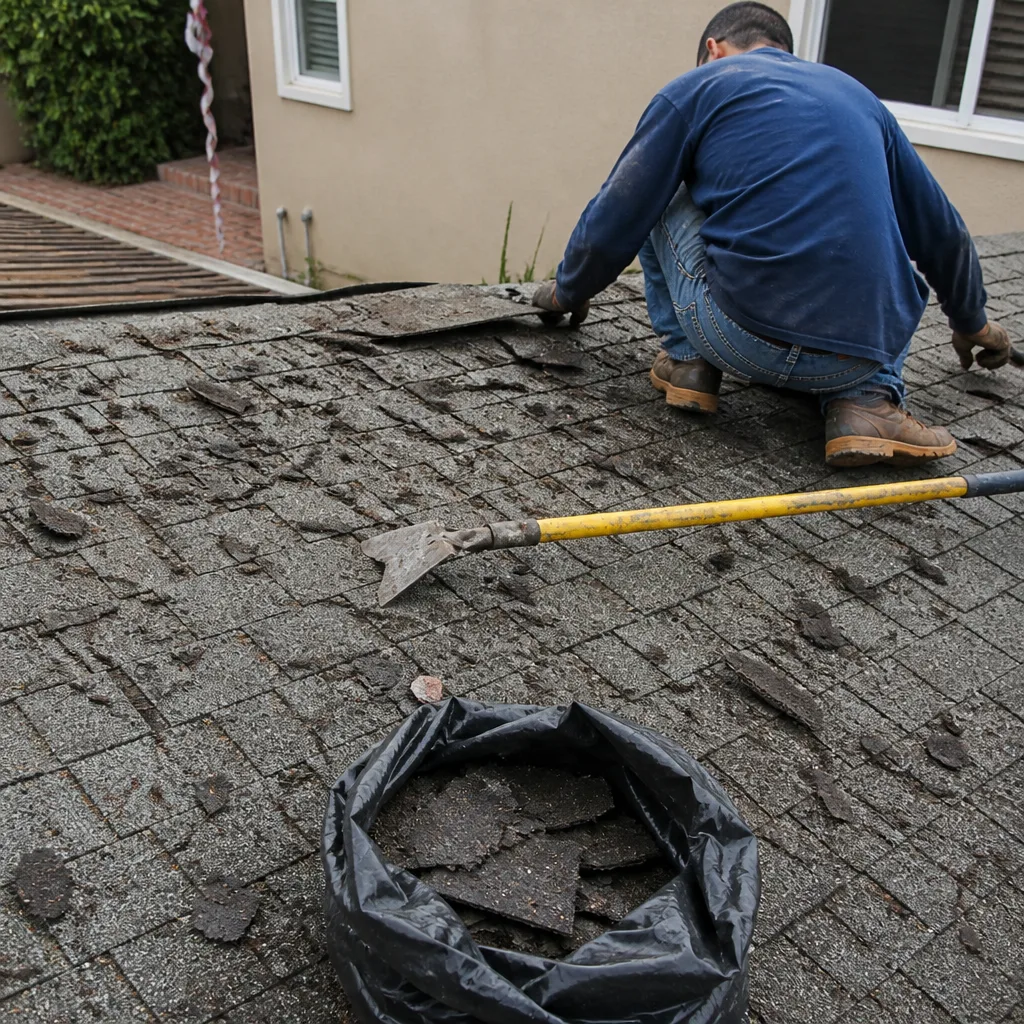 Before
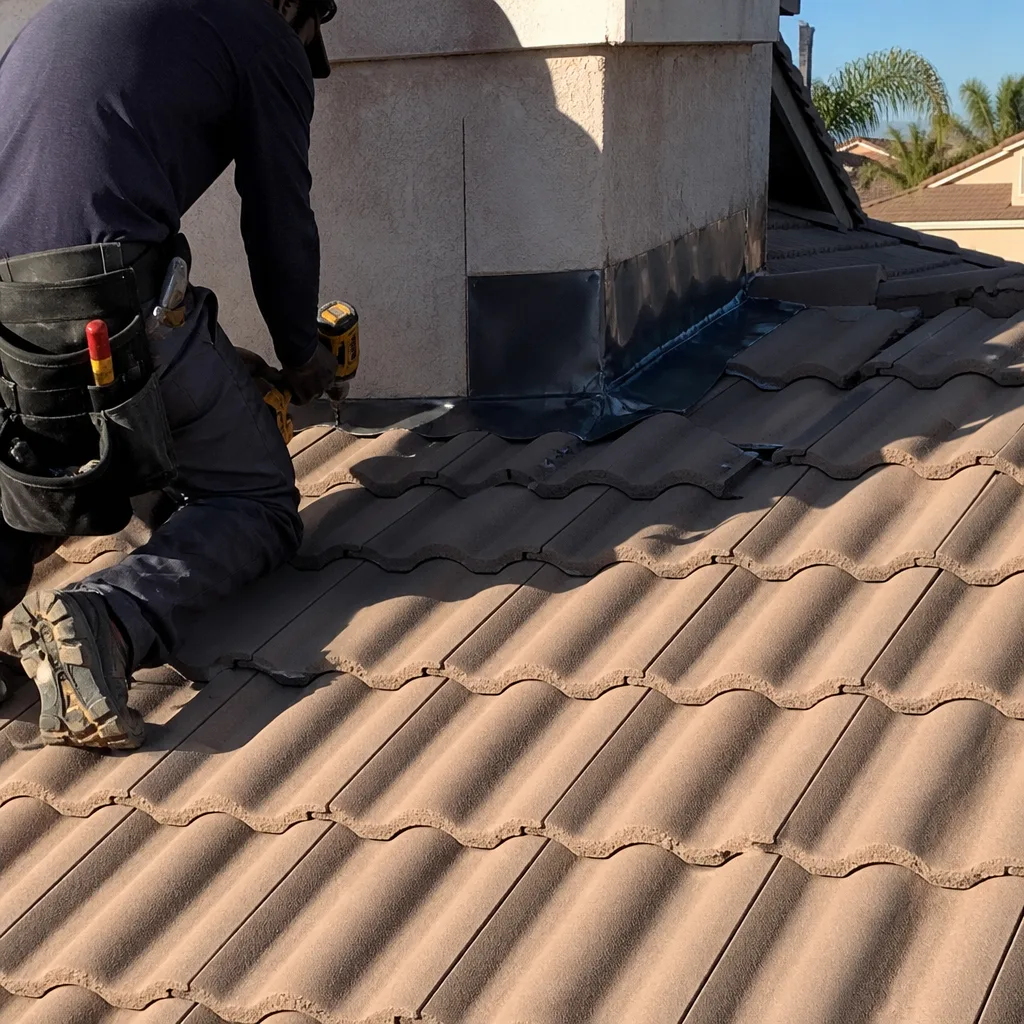 After
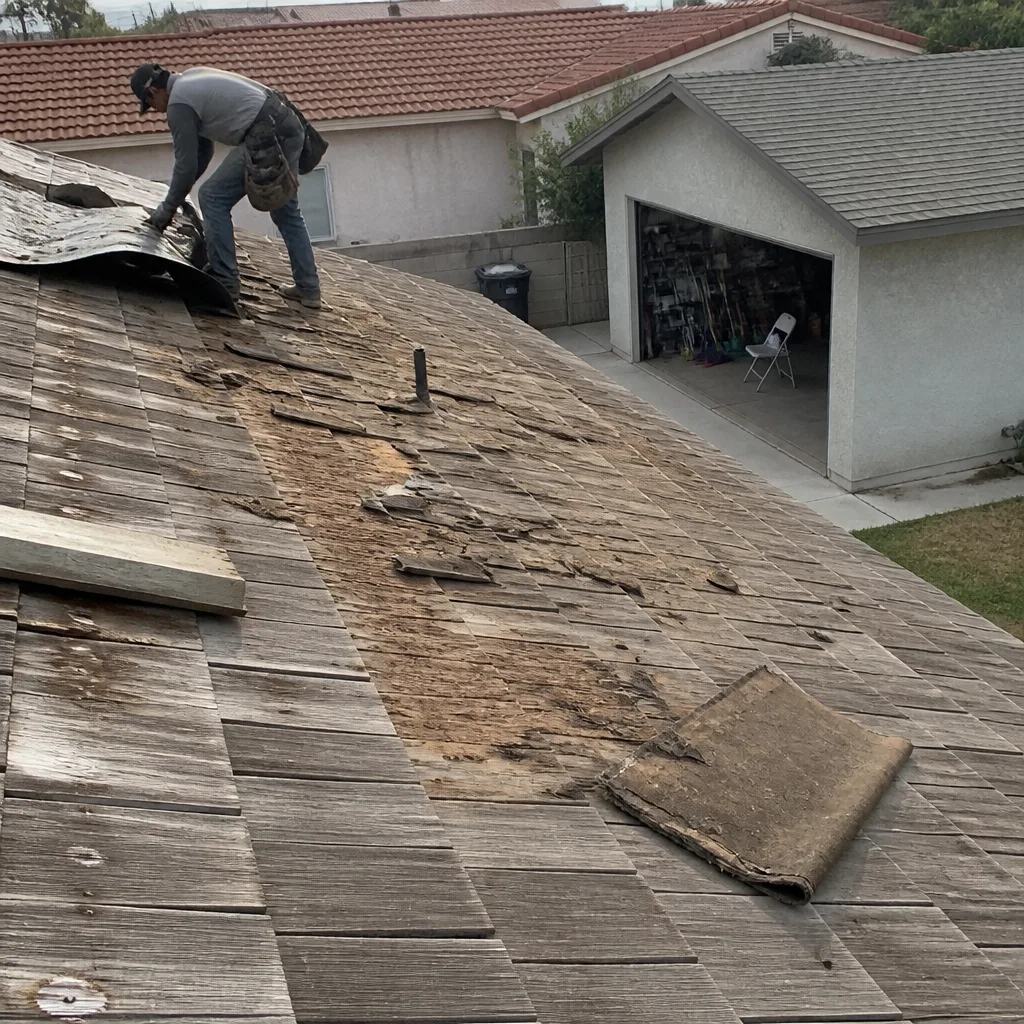 Before
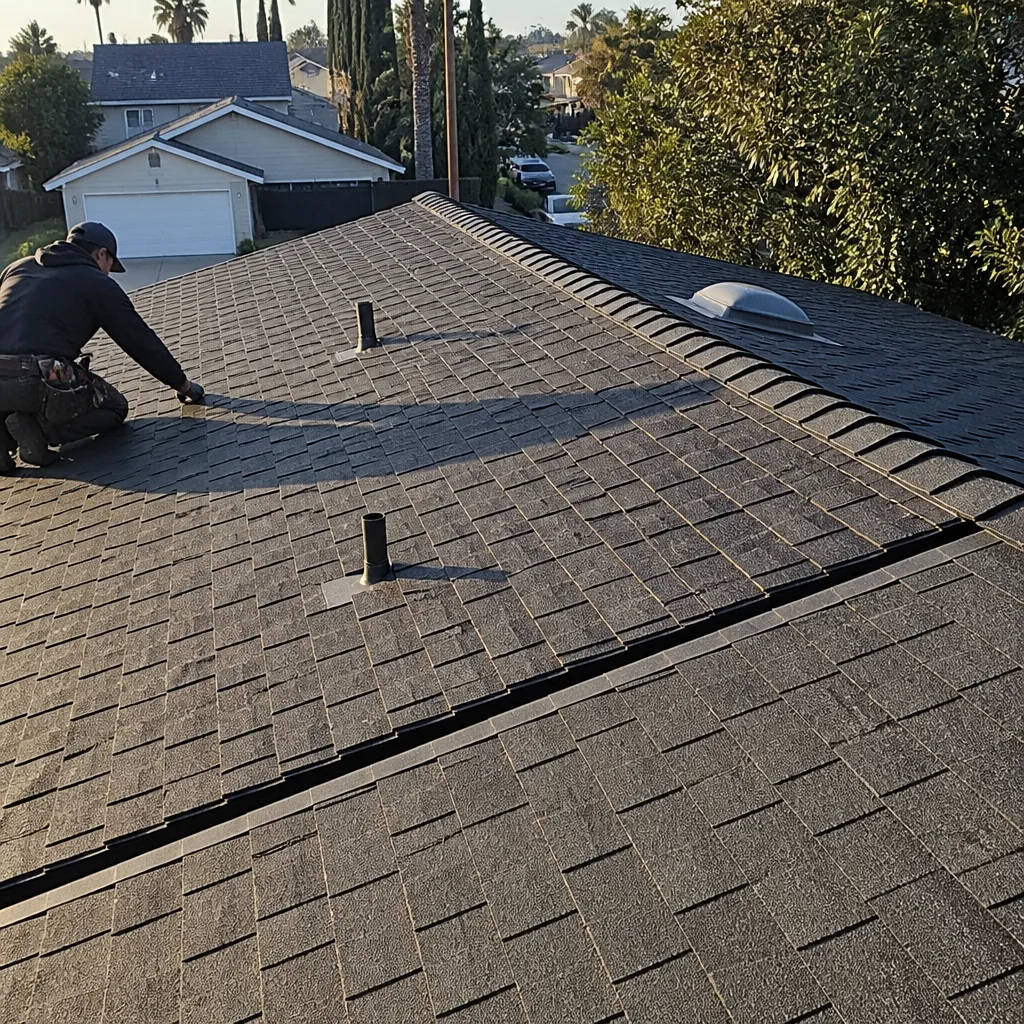 After
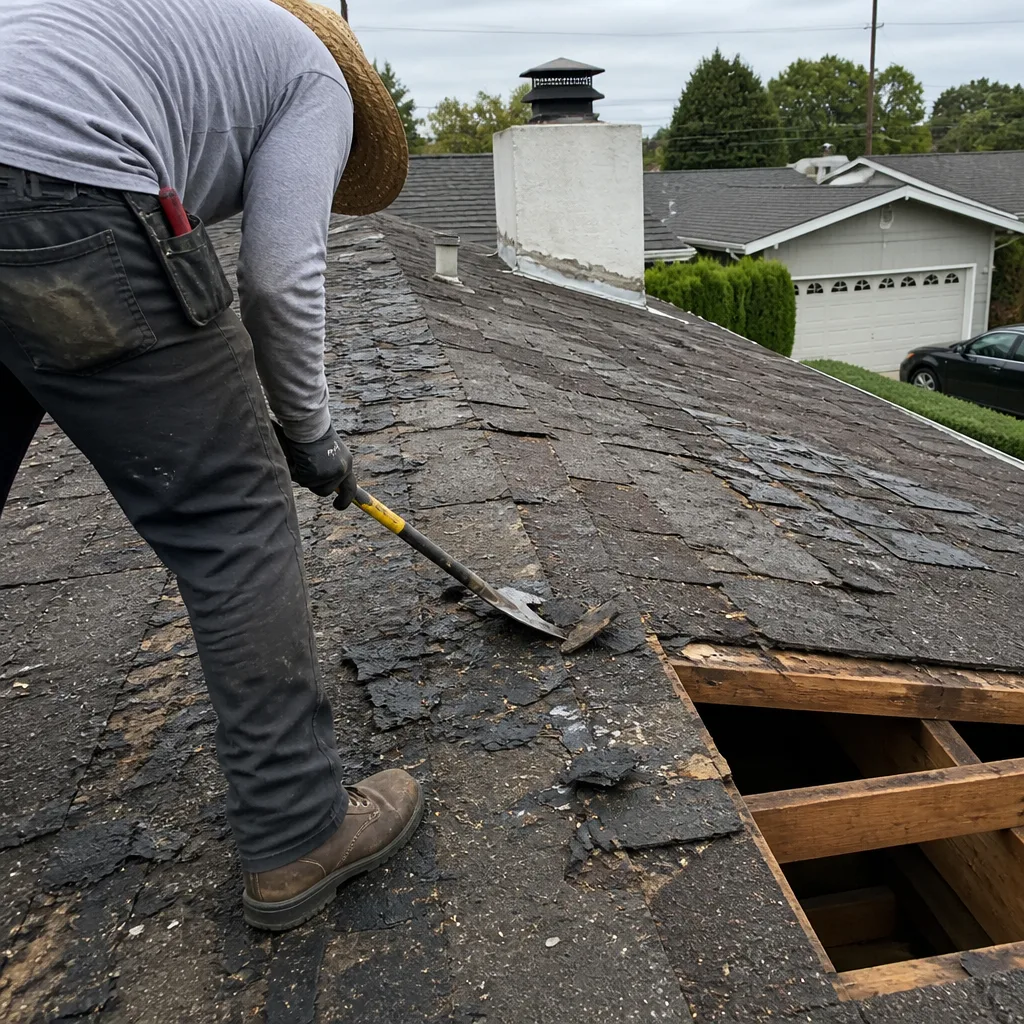 Before
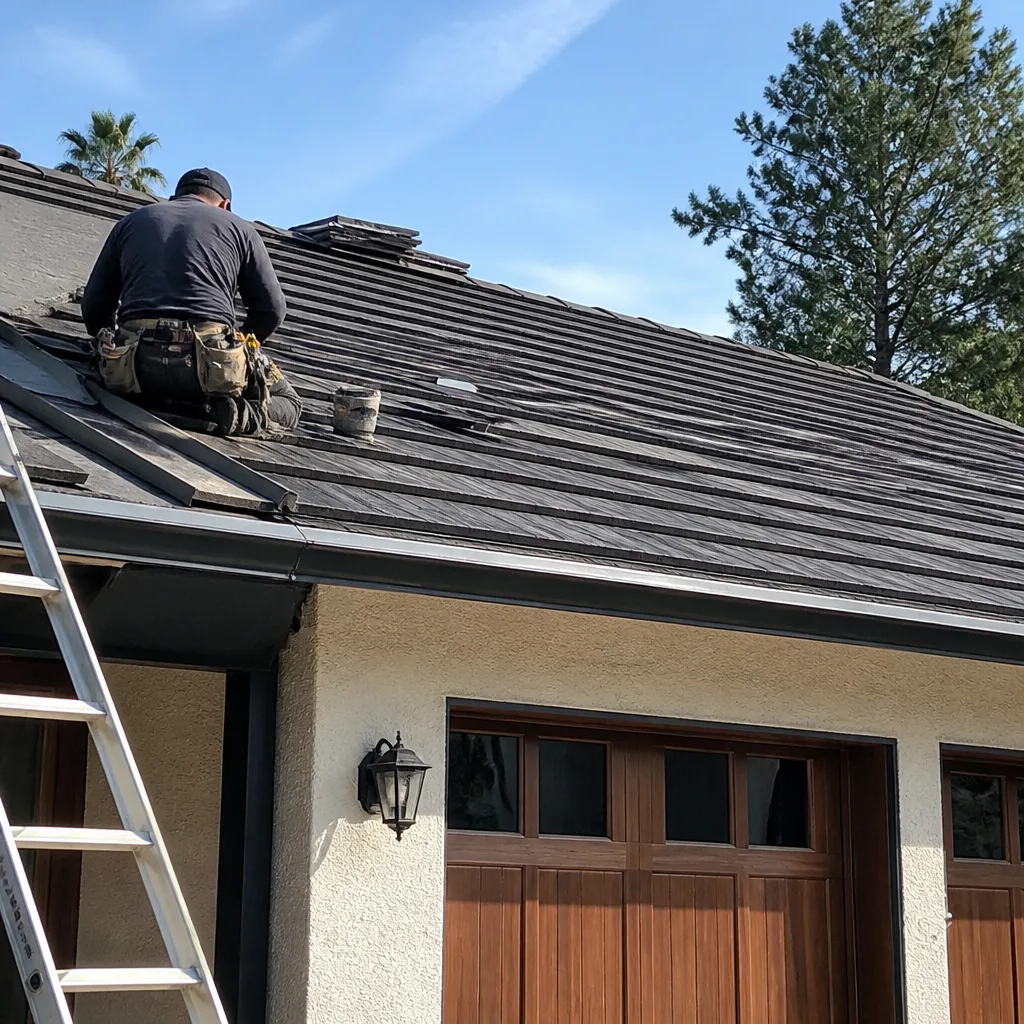 After