
Last updated October 31, 2026
 Architectural shingles
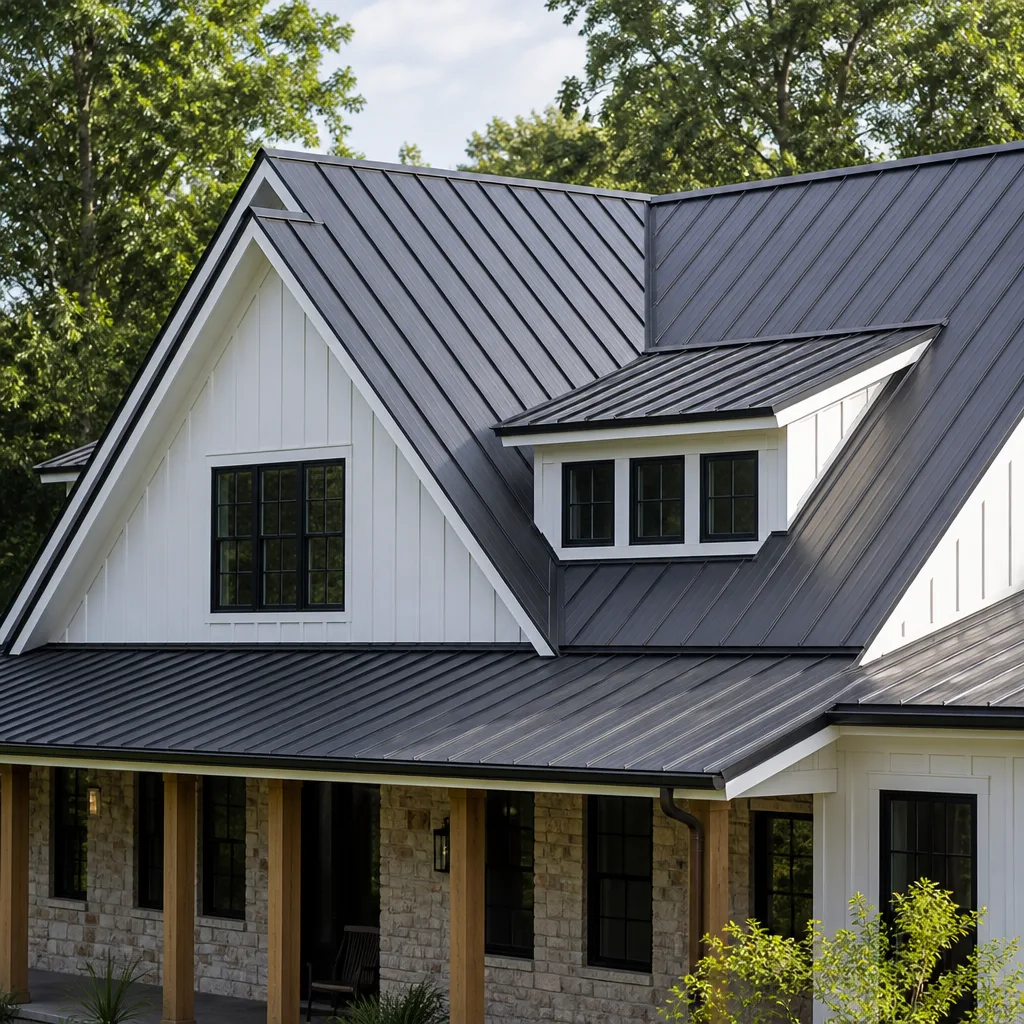 Metal roofing
 Tile roofing
 GAF
 Owens Corning
 Flat & low-slope
Free roof inspection with deck photos before we talk money - GAF and Owens Corning certified installation
Roof Repair Troubleshooting: Common Problems and How to Fix Them
The water stain on your ceiling is almost never directly below where the leak is entering. Water travels along rafters, across sheathing, and around trusses before it finally drips. By the time you see a stain, the actual breach in your roof could be six feet away, sometimes more. This guide walks you through a systematic way to find the real source of roofing problems, so when you call a contractor in Orange for Roof Repair services, you already know what you’re dealing with and what it should cost to fix.
Styles & brands we work with
Quick Answer
Roof repair troubleshooting starts with tracing water stains from the inside of your attic back to their entry point, then identifying whether the cause is a shingle failure, a flashing failure, or a ventilation problem. Most leaks fall into one of those three categories, and each has a distinct fix. This guide explains how to diagnose all three, plus how to tell which repairs are safe to handle yourself and which need a professional.
Table of Contents
- How to Trace a Ceiling Stain to Its Source: The Attic Inspection Method
- Flashing Failure vs. Shingle Failure: Telling Them Apart
- When a “Leak” Is Actually Condensation: The Ventilation Problem
- Granule Loss: Measuring It, Reading It, and Knowing When It Matters
- DIY Repair vs. Professional Repair: The Line That Keeps You Safe
- How Orange Weather Creates Specific Roof Problems
- What Affects Roof Repair Costs in Orange
- Common Mistakes to Avoid
- When to Call a Professional
- Frequently Asked Questions
- The Bottom Line
How to Trace a Ceiling Stain to Its Source: The Attic Inspection Method
Before you climb onto any roof, go into the attic. We’ve seen too many Orange homeowners spend money on roof repairs that missed the actual problem because nobody traced the water path first. The attic tells you where water is entering, not just where it’s exiting.
Here’s the step-by-step method:
- Mark the stain. Go to the room with the ceiling stain and note its exact position. Measure from two walls so you can find the same spot in the attic.
- Enter the attic during daylight. Bring a flashlight and a tape measure. Turn off any attic light so you can see daylight coming through gaps in the roof deck.
- Locate the stain from above. Find the corresponding area on the attic floor insulation. Water staining on insulation often appears as a dark, flattened, or crusty patch.
- Look up, not down. Once you find the wet insulation, shine your flashlight upward. Look for water marks on the underside of the roof sheathing. These appear as dark streaks or stains, often following the slope.
- Follow the stain uphill. Water runs downhill along the underside of the sheathing and along rafters. Trace the water mark up the slope until the staining stops. That stopping point is usually very close to the actual entry point.
- Check the nearest penetration. At the top of the water trail, look for a roof penetration within a few feet. That could be a plumbing vent, a chimney, a skylight, an exhaust fan, or a nail that has worked loose.
- Poke the sheathing. If the sheathing feels soft, spongy, or crumbly near the entry point, water has been entering for a while. If it’s still solid, you caught the problem early.
This method works in Orange homes with accessible attics. If your attic has limited clearance or blown-in insulation covering the evidence, you may still be able to find the entry by looking for water lines on the rafters themselves. If you can’t access the attic safely or can’t trace the leak, a Roof Inspection in Pico Rivera or your local area is the next step.
The key point: knowing the actual entry point before any repair starts means a contractor cannot sell you a full re-roof when what you need is a small flashing repair around a pipe. That’s the whole reason to do this step first.
Flashing Failure vs. Shingle Failure: Telling Them Apart
Most roof leaks come from one of two places: the shingles themselves or the metal flashing around penetrations. They look similar from the inside, but from the outside, the signs are distinct. Knowing which one you have determines the scope of the repair.
Shingle failure signs:
- Missing shingles visible after wind events
- Cracked shingles that split along the grain
- Curling or cupping shingle edges
- Blistering on the shingle surface
- Bare spots where granules have worn away
Flashing failure signs:
- Rust or corrosion on metal flashing pieces
- Gaps between flashing and the adjacent surface
- Lifted or separated flashing where caulk has dried and pulled away
- Water stains around chimneys, vents, skylights, or wall intersections
- Flashing that sits flat against the roof but has visible holes from old fasteners
In our experience, flashing failures are more common than shingle failures on roofs under 15 years old. The original installers may have used the wrong flashing type, too little sealant, or sealant that dried out in the Southern California sun. We regularly see this on plumbing vent collars and around chimneys in Orange and surrounding areas.
If the leak traces to a shingle field and the shingles are intact, check the nails. Nail pops happen when fasteners work loose over time. A nail head sticking up through a shingle creates a tiny hole, and water follows the nail shaft through the deck. The fix is simple: remove the nail, seal the hole, and replace the shingle if it’s damaged. We work with GAF, CertainTeed, Owens Corning, IKO, Atlas, Tamko, and Boral shingles, so matching the exact shingle for a repair is rarely a problem.
If the leak traces to flashing and the flashing is rusted or separated, a targeted flashing repair is usually the right call. Replacing flashing is a standard repair that costs far less than a full re-roof, and it solves the problem completely when done correctly.
When a “Leak” Is Actually Condensation: The Ventilation Problem
Some roof leaks aren’t leaks at all. They’re condensation. This is one of the most misdiagnosed roofing issues in Orange, especially in older homes with inadequate attic ventilation.
Here’s what happens. Warm, moist air from the living space rises into the attic. If the attic doesn’t have enough airflow, that moisture condenses on the underside of the roof deck, especially on cold nights. The condensation drips down onto the insulation and ceiling. Homeowners see a stain, assume the roof is leaking, and call a roofer. The roofer replaces shingles. The stain comes back.
Signs your “roof leak” is actually condensation:
- Stains appear across a wide area, not in one isolated spot
- Water appears even when it hasn’t rained for weeks
- Stains are most visible in the morning and disappear or shrink during the day
- The attic feels humid or smells musty
- You can see actual water droplets on the underside of the roof sheathing
- There isn’t a consistent water trail back to a penetration
The fix for condensation is ventilation, not shingle replacement. That means adding intake vents at the soffits, adding exhaust vents near the ridge, or installing a balanced system that allows air to move through the attic. In some Orange homes, we also find bathroom exhaust fans venting directly into the attic instead of through the roof. That single problem can create chronic condensation even in a well-ventilated attic.
If you’ve replaced a roof and the “leak” returned within a year, suspect condensation before buying more shingles. A roof inspection that includes a ventilation assessment is part of the Windmill Roof Repair home approach, and it’s the only way to confirm what you’re actually dealing with.
Granule Loss: Measuring It, Reading It, and Knowing When It Matters
Granules are the mineral surface of an asphalt shingle. They protect the asphalt from UV breakdown and give the shingle its color. Some granule loss is normal, especially on a new roof, but excessive loss shortens the shingle’s life significantly.
How to measure granule loss:
- Check the gutters. After a rain, look at the gutter downspout outlets. A small amount of granules is normal. A visible layer covering the bottom of the gutter means the shingles are shedding heavily.
- Compare sun-facing and shaded slopes. South-facing and west-facing roof planes in Orange get the most sun. If those planes show significantly more bare spots than north-facing planes, UV is breaking down the shingles.
- Inspect the ground below the drip edge. Granules that wash off land directly beneath the eaves. A consistent pile of granules in one spot points to shingle wear directly above.
- Look for bald spots. If you can see the underlying fiberglass mat or asphalt through the granule layer, the shingles are at the end of their useful life.
Here’s what the measurement tells you:
- Minor, uniform granule loss on a roof under 5 years old: Cosmetic. New shingles shed excess granules after installation. No action needed.
- Moderate loss on a roof 10-15 years old: Normal aging. The shingles still have life, but expect them to need replacement within a few years.
- Heavy loss with bare spots on a roof of any age: Structural concern. The protection layer is gone, and the shingles will fail quickly. This is when you start comparing repair vs. Roof Replacement in Pico Rivera.
Some brands lose granules differently. CertainTeed and GAF both manufacture shingles with granule retention that performs well in high-UV environments, but no shingle lasts forever in direct Orange sun. If you’re seeing granule loss and want a material opinion that isn’t tied to one manufacturer, that’s a conversation we have regularly with Orange homeowners.
DIY Repair vs. Professional Repair: The Line That Keeps You Safe
Some roof repairs are genuinely simple. Others can put you in the hospital. Here’s how we separate them.
Repairs a careful homeowner can often handle:
- Sealing a small gap around a plumbing vent with roofing cement or a new rubber collar
- Replacing one or two lifted shingles that are intact but have loose nails
- Clearing debris from a valley or roof-to-wall intersection
- Reattaching a small piece of step flashing that has come loose
Repairs that should go to a professional:
- Any work around a chimney, skylight, or dormer wall where structural flashing is involved
- Repairs on steep-pitch roofs (anything steeper than a 6:12 pitch significantly increases slip risk)
- Repairs that require removing more than a handful of shingles
- Any work on a two-story roof where fall protection isn’t available
- Repairs involving electrical service masts or anything near power lines
- Repairs where the sheathing underneath is suspected to be rotten
Roof work on a ladder carries real risk. Falls from even a single-story roof cause serious injuries every year in Southern California. If the repair requires you to work near the edge, on a steep slope, or at height without proper tie-off equipment, call someone who does this daily. The cost of a professional repair is a fraction of a hospital bill.
We also tell Orange homeowners this: if you start a repair and find more damage underneath, stop. Hidden water damage around a small leak often extends further than it looks from the surface. A professional can assess the full extent before you patch over rotten sheathing and call it fixed.
How Orange Weather Creates Specific Roof Problems
Orange has a specific climate pattern that shapes how roofs fail here. We see the results of it in inspections across the county every week.
Sun exposure is the biggest factor. Orange gets roughly 280+ days of sun per year. That constant UV beats down on the south and west exposures, breaking down asphalt shingles faster than the shaded north side. A roof in Orange that’s 20 years old on the north side may be effectively 30 years old on the sun-facing side. That’s why we always recommend checking both planes separately before deciding the whole roof needs work.
Santa Ana winds cause lifting and nail fatigue. The dry, gusty winds that come through Orange in the fall don’t just blow debris onto the roof. They get under shingle edges and repeatedly flex them. Over time, this fatigues the nail seals and creates the lifted shingle edges we see on windward roof planes. Shingles that look fine on a calm day can reveal a different story after a Santa Ana event.
The wet season creates a leak-test cycle. Orange gets most of its rain between November and March. Roofs that survive the dry months can fail in the first significant rain. We recommend Orange homeowners do a visual check in October, before the rain starts, and another after the first storm of the season. For help preparing, see our Roofing Emergency Preparedness Guide for Orange Homes. Catching a small leak in November is always cheaper than finding a ceiling stain in February.
Coastal influence varies by neighborhood. Homes closer to the coast experience more moisture and occasional marine layer fog, which can accelerate rust on metal flashing. Homes further inland dry out faster but get hotter, which accelerates asphalt aging. These micro-climates within Orange mean the right material choice for one street can be different from the next street over. We carry seven brands, including Tamko and Boral, to match materials to the specific conditions of each Orange home rather than forcing every roof into the same product line.
What Affects Roof Repair Costs in Orange
For a detailed look at what to expect, see our Roofing Cost Breakdown: The Orange Homeowner’s Reference for 2026. Roof repair pricing in Orange usually ranges from a few hundred dollars for a minor flashing fix to several thousand for structural decking repair. Here’s the breakdown of what drives the cost:
- Scale of the damage. A single plumbing vent collar replacement is a small job. Rot repair across 100 square feet of sheathing is not.
- Roof pitch. Steeper roofs take longer and require more safety equipment. That cost enters the quote.
- Access. A simple one-story roof is quick. A two-story roof with limited ladder placement adds time.
- Material type. Architectural shingles from CertainTeed or GAF cost more than three-tab shingles, and repairs need to match the existing material.
- Underlayment condition. If the old felt or synthetic underlayment is degrading, the repair may require replacing the underlayment in that area, not just the shingle on top.
- Permit requirements. Orange enforces building codes for some roof repairs, particularly structural work. When permits are required, they add to the project cost.
We provide free estimates so Orange homeowners can see the exact scope and cost before any work begins. No change orders, no surprise add-ons after the tear-off starts. The estimate is based on what we find during the inspection, and we explain where every dollar goes.
Common Mistakes to Avoid
- Sealing over a leak without tracing it first. Roofing cement or caulk applied at the stain location might stop water in that one spot, but the actual entry point is still open. The water will just find a new path down and appear somewhere else. Trace it first, then fix it.
- Replacing shingles before checking the flashing. Most leaks on roofs under 15 years old are flashing problems, not shingle problems. If you replace shingles near a chimney and water still comes through, the flashing was the issue all along.
- Ignoring granule loss until the shingles crack. Granule loss is the early warning. By the time shingles crack and curl, the roof is well past the point of economical repair. Track granule loss every year and plan ahead.
- Assuming a new roof fixed the ventilation problem. Many Orange homeowners replace a roof because of condensation and then see the condensation return. Ventilation is a separate system. Address it separately or it’ll haunt you.
- Waiting for a leak to appear before inspecting. Roofs fail gradually. A roof inspection can catch lifted shingles, cracked flashing, and worn sealant before water ever enters the house. Waiting until you see a stain means the damage has already reached the interior.
- Choosing a contractor based on the lowest quote alone. A low quote that uses mis-matched shingles, skips the underlayment, or ignores ventilation will cost more in repairs later. We’ve seen Orange homeowners pay for the same repair twice because the first contractor cut corners.
- Attempting a steep-pitch repair without fall protection. No repair is worth a fall. If you’re not comfortable on the slope, don’t do it yourself. The money you save on DIY is meaningless compared to what a fall costs.
When to Call a Professional
Call a professional when the leak traces to chimney flashing, skylight surrounds, or wall intersections. Call when the roof is steep, over two stories, or when you can see rotted sheathing from inside the attic. Call when granule loss is heavy and you’re unsure whether the roof has years left or weeks. Call when ventilation problems keep recurring despite interior fixes. And call when you want an honest assessment rather than a sales pitch. Windmill Roof Repair offers free estimates in Orange, and we’ll tell you straight whether a targeted repair or a full replacement is the right move. Call (866) 850-2496.
Frequently Asked Questions
Roof repair in Orange typically ranges from $350 for a minor flashing or sealant fix to $2,500+ for structural repair involving rotten decking or extensive shingle replacement. The price depends on roof pitch, access, the extent of the damage, and the materials needed to match the existing roof. Call (866) 850-2496 for an exact quote based on a free inspection.
Yes, a ceiling water stain can be caused by attic condensation from poor ventilation, a leaking pipe, or an air conditioning condensate issue. Before you pay for roof repair, go into the attic and check whether the moisture is coming from above the sheathing, which is a leak, or forming on the underside of the sheathing, which is condensation.
To find the exact source of a roof leak, go into the attic and trace the water stain uphill along the sheathing from the ceiling stain until the water mark stops. The actual entry point is usually within a few feet of that stopping point and often involves a roof penetration like a vent, chimney, or skylight.
In Southern California, asphalt shingle roofs typically last between 15 and 25 years depending on sun exposure, ventilation, installation quality, and the specific brand. Roofs on sun-facing slopes in Orange tend to wear faster than shaded slopes. Regular inspections can help you gauge exactly where your roof is in its lifespan.
Repair when the damage is localized and the remaining shingles are structurally sound. Replace when damage covers more than about 30% of the roof area, the shingles are failing across multiple planes, or granule loss has exposed the asphalt underneath. A professional inspection can tell you where that line is for your specific roof.
Yes, Windmill Roof Repair offers free estimates throughout Orange. We assess the roof, trace any leaks, document what we find, and provide a written quote for the repair. No commitment, no pressure. Call (866) 850-2496 to schedule.
We work with seven leading roofing brands: GAF, CertainTeed, Owens Corning, IKO, Atlas, Tamko, and Boral. That range lets us match an existing roof for repairs or recommend the best material for a replacement based on your Orange home’s specific exposure and budget.
The Bottom Line
Roof troubleshooting comes down to this: trace the problem to its source before you fix anything. The attic inspection method saves Orange homeowners from paying for repairs that miss the mark. Flashing failures, shingle failures, and condensation all look similar from inside the house, but they need different solutions. Learn to tell them apart and you’ll know exactly what a contractor should be quoting. When the job is bigger than you want to handle, Roof Repair in Pico Rivera or a local Orange roofer can take it from there.
Written by the team at Windmill Roof Repair, serving Orange since 2018. We provide roof inspection, repair, and replacement with a seven-brand material lineup so every homeowner gets the right product for their roof, not the one a contractor is incentivized to push. For more guides & resources, visit our blog.
See the difference
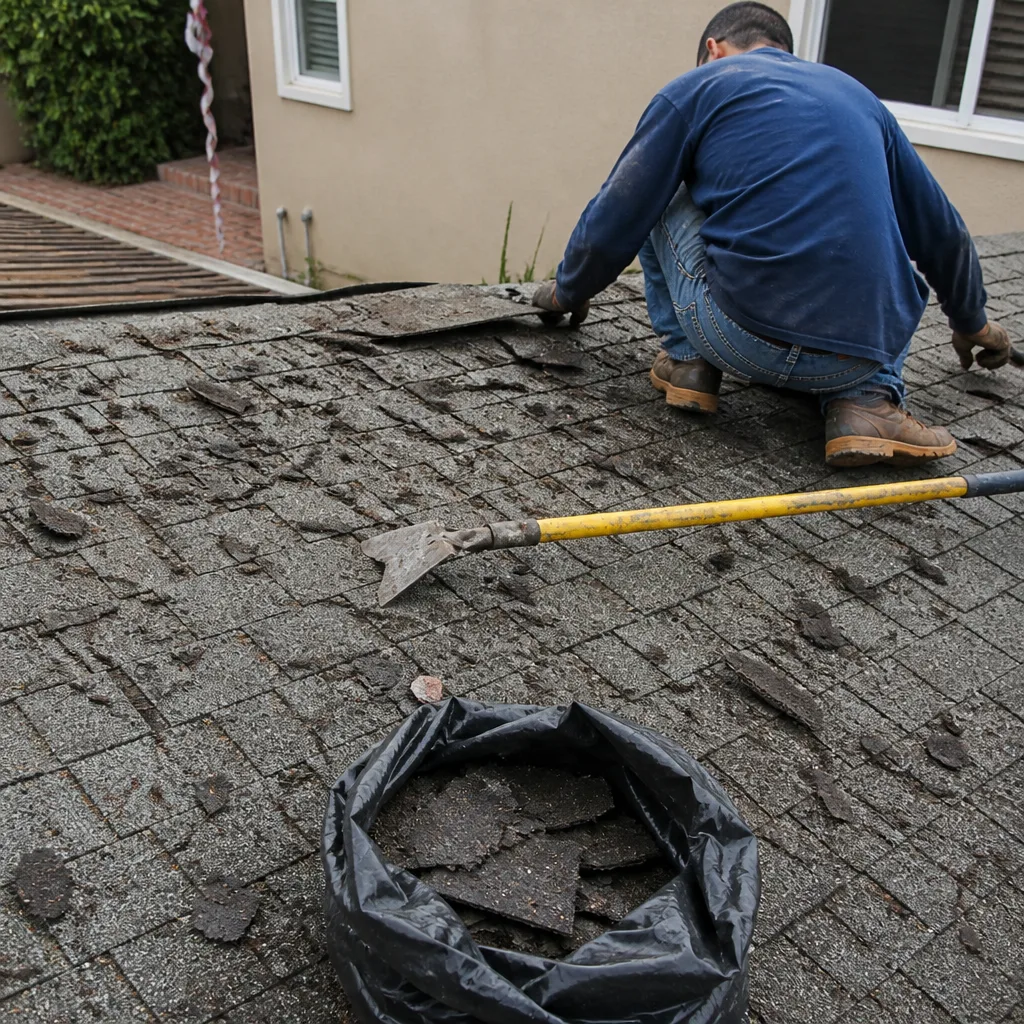 Before
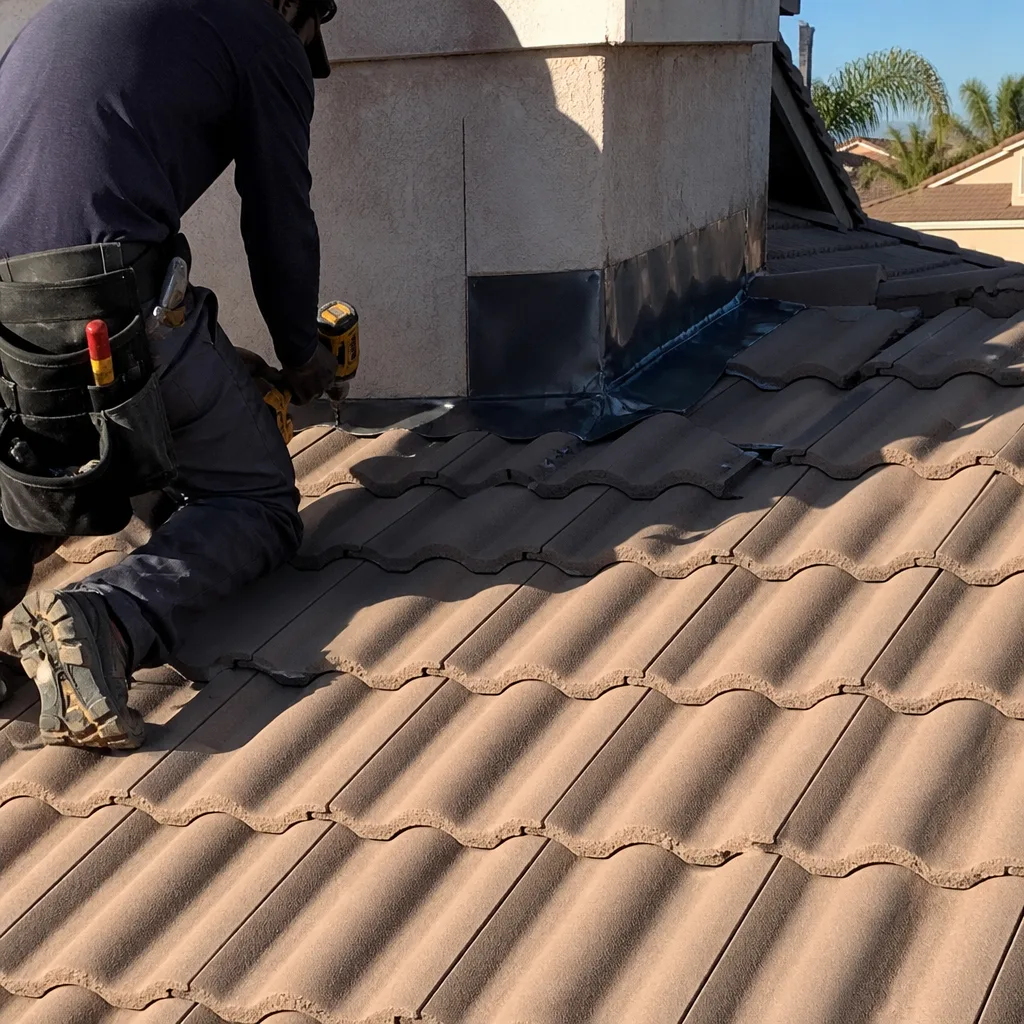 After
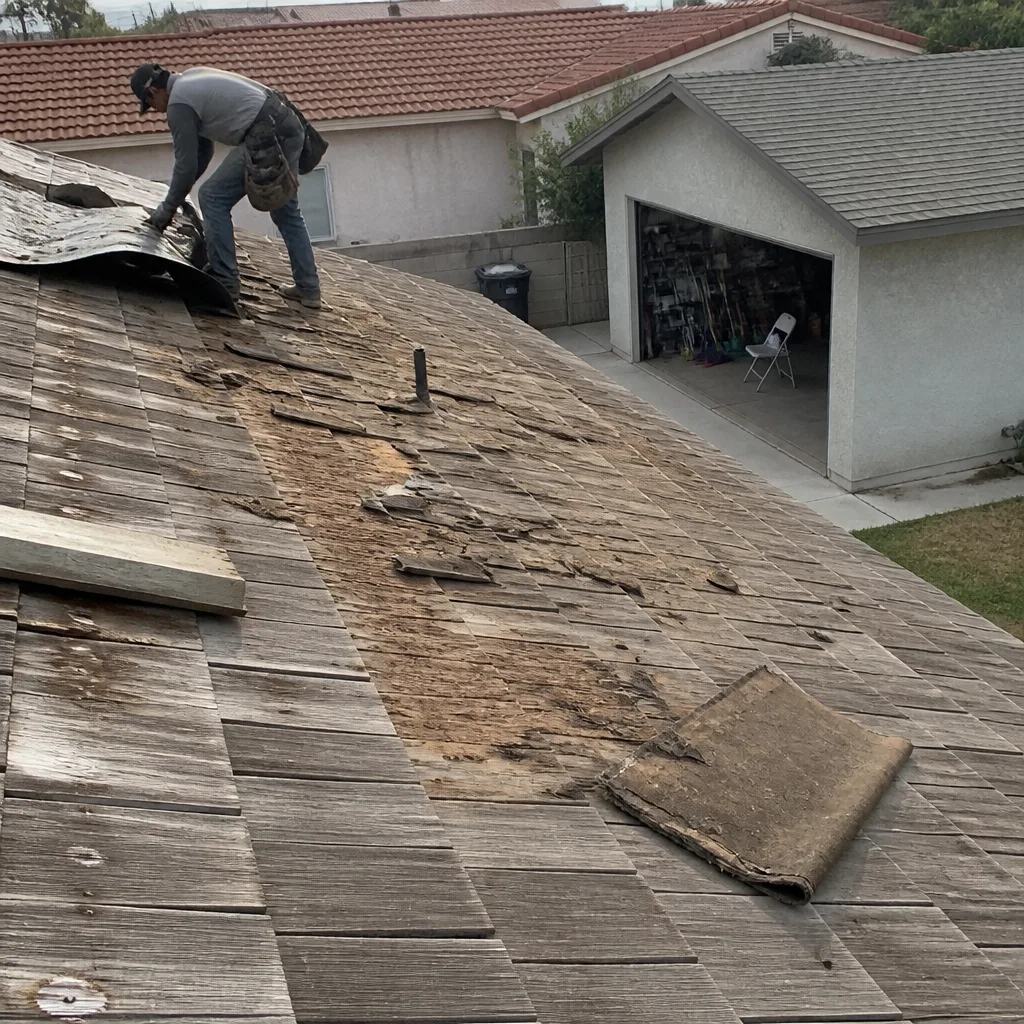 Before
 After
 Before
 After