
Last updated October 31, 2026
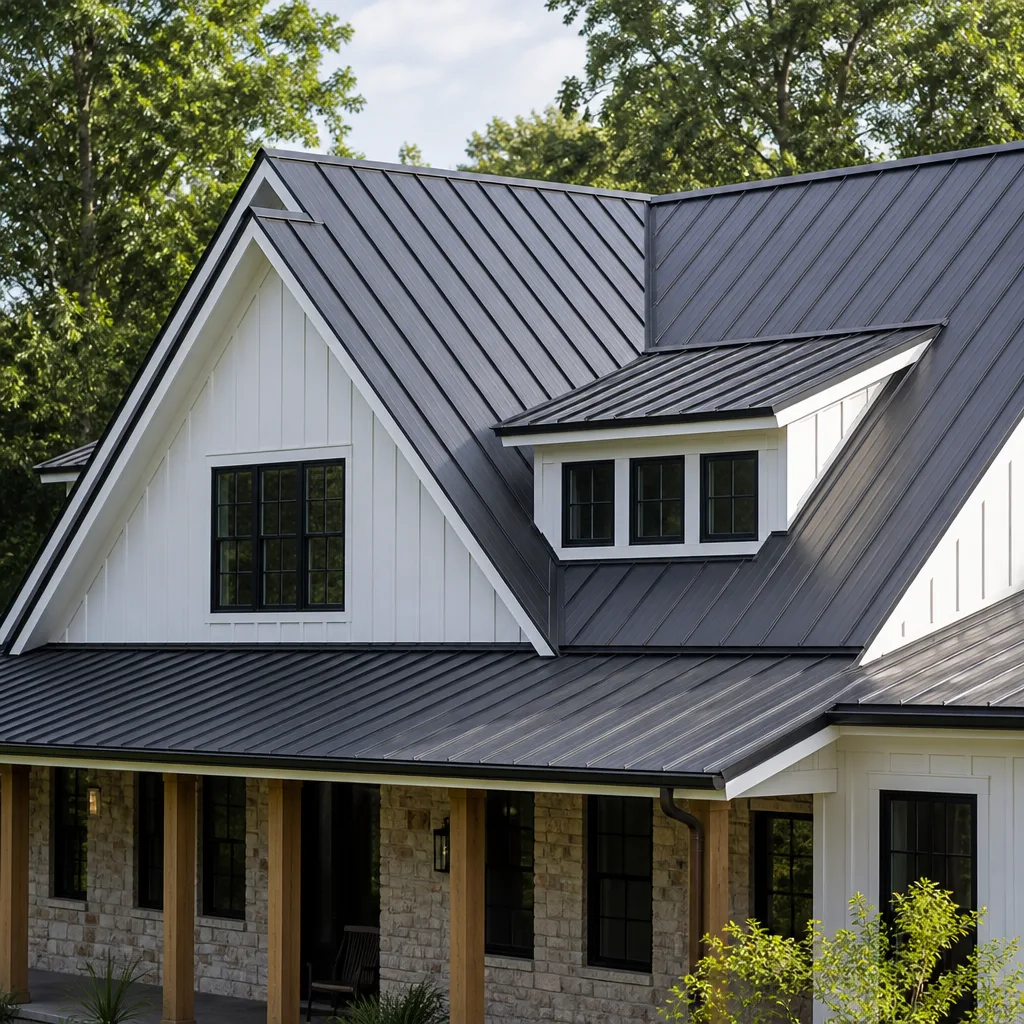 Metal roofing
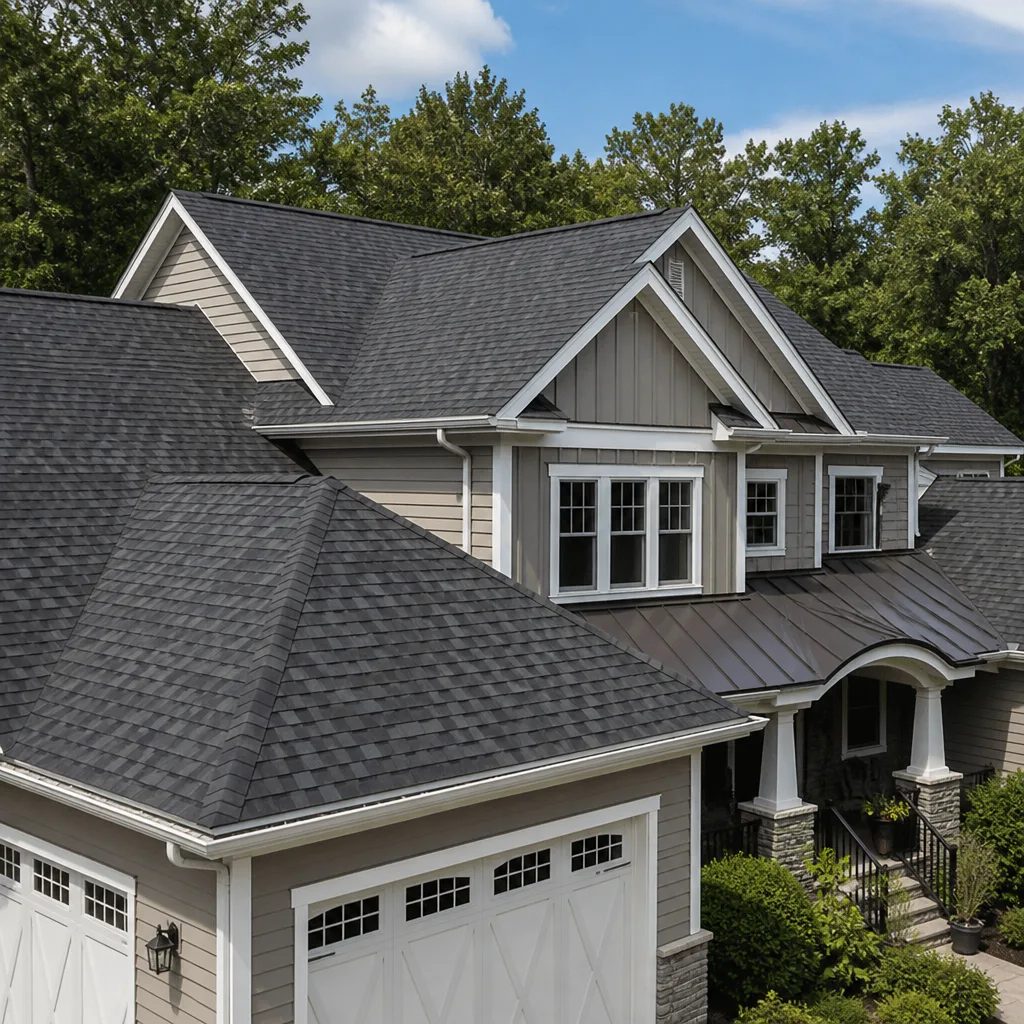
 Architectural shingles
 Tile roofing
 GAF
 Owens Corning
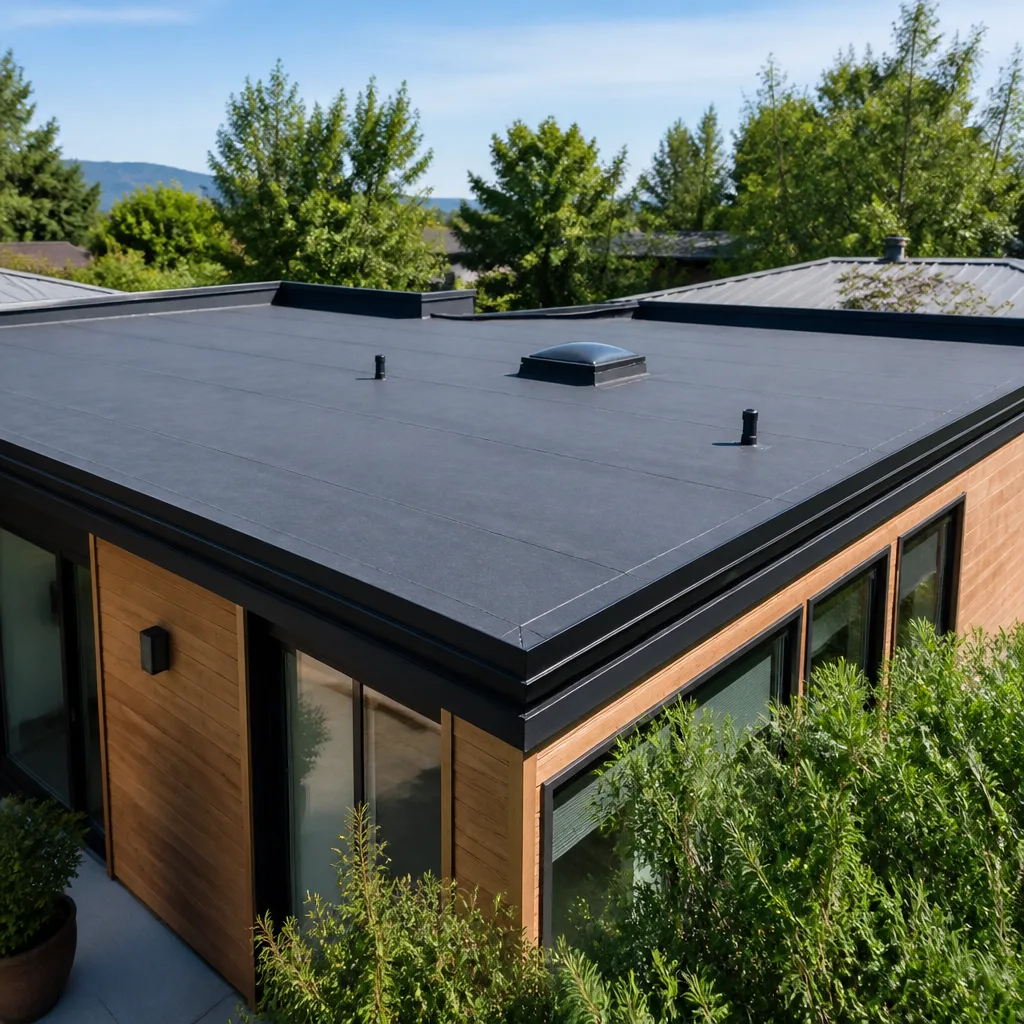 Flat & low-slope
Free roof inspection with deck photos before we talk money - GAF and Owens Corning certified installation
Roofing Emergency Preparedness Guide for Orange Homes
Here’s something most Orange homeowners don’t realize until it’s too late: the worst time to figure out your emergency roofer’s number, your insurance deductible, and where you stored the tarps is during a Santa Ana wind event at night. Orange homeowners who’ve been through it know the preparation window is the dry season, not the moment the ceiling starts dripping. This guide walks you through exactly what to do before, during, and after a roofing emergency in Orange, so you’re not the one Googling frantically at 11pm with a tarp still in its packaging and water pooling in the upstairs hallway.
Styles & brands we work with
Quick Answer
A roofing emergency preparedness plan for Orange homes comes down to five things: knowing your roof’s current condition, staging emergency materials before storm season, documenting damage correctly for insurance, vetting a contractor before you need one, and understanding which emergencies demand immediate action versus which can wait until morning. Homeowners who complete these steps during the dry season typically face less interior damage, lower repair costs, and far less stress when Santa Ana winds or winter storms hit Orange.
Table of Contents
- Why Orange Roofs Face a Unique Emergency Pattern
- The Pre-Season Roof Inspection: Your First Line of Defense
- Building Your Roofing Emergency Kit: What Actually Works in Orange
- Documenting a Roofing Emergency for Insurance: The First 24 Hours
- Emergency Tarping vs. Emergency Repair: Understanding the Difference
- Vetting an Emergency Roofer in Orange Without Getting Scammed
- Which Emergencies Can Wait Until Morning: A Decision Framework
- Common Mistakes to Avoid
- When to Call a Professional
- Frequently Asked Questions
- The Bottom Line
Why Orange Roofs Face a Unique Emergency Pattern
Orange doesn’t get hurricanes or tornadoes, but it has its own rhythm of roof-damaging weather. The city sits in a wind corridor that makes Santa Ana events particularly punishing on roofing. When those northeast winds barrel through the Santa Ana Mountains and into the flatlands of Orange, they regularly gust between 40 and 60 miles per hour, with stronger bursts in exposed neighborhoods near the 55 freeway and along the eastern foothills. We’ve seen entire sections of shingle lifted clean off roofs in the Orange Park Acres area during a single overnight wind event.
The second pattern is the winter storm sequence. Orange typically gets its heaviest rain between December and February, often arriving in multi-day systems that saturate roofing materials and expose small failures that dry weather hides. A roof that survived summer heat without issue can develop a slow leak during the third consecutive day of rain simply because the underlayment has been wet long enough to wick moisture into the decking.
What makes Orange unique is the contrast between these two seasons. The summer and early fall are bone dry, which means roofing materials contract and small cracks at flashing points widen. When the first heavy rain arrives, those gaps are already there, waiting for water. That’s why the preparation window matters so much: the repairs you make in September prevent the emergency in January.
Understanding your roof’s specific exposure also helps. Homes in the older neighborhoods around the Orange Circle have different roofing profiles than tract homes built in the 1990s east of the 55. Clay tile, which is common on Orange’s older Spanish-style homes, behaves differently in high wind than asphalt shingle. Tile can crack without fully dislodging, creating leak paths that aren’t visible from the ground. Asphalt shingles from brands like GAF or Owens Corning may lose their seal strip in sustained wind, allowing individual tabs to lift and tear.
The Pre-Season Roof Inspection: Your First Line of Defense
Every roofing emergency preparedness plan starts with knowing what you’re working with. A professional roof inspection during the dry season is the single highest-leverage action an Orange homeowner can take. The logic is simple: you can’t stage the right materials or anticipate failure points if you don’t know your roof’s current condition. This is where a Roof Inspection in Pico Rivera comes in as a model for what a thorough assessment looks like: a documented walkthrough of every plane, every flashing point, and every penetration, with clear photos and honest findings.
At Windmill Roof Repair, we offer roof inspection as a standalone service precisely because we believe homeowners deserve an objective picture before anyone discusses repair scope or replacement. Whether you’re in Orange or calling us about a Roof Repair in Pico Rivera, the inspection isn’t a sales funnel. It’s a report on what your roof needs and what it doesn’t.
During an inspection, three things matter most for emergency preparedness:
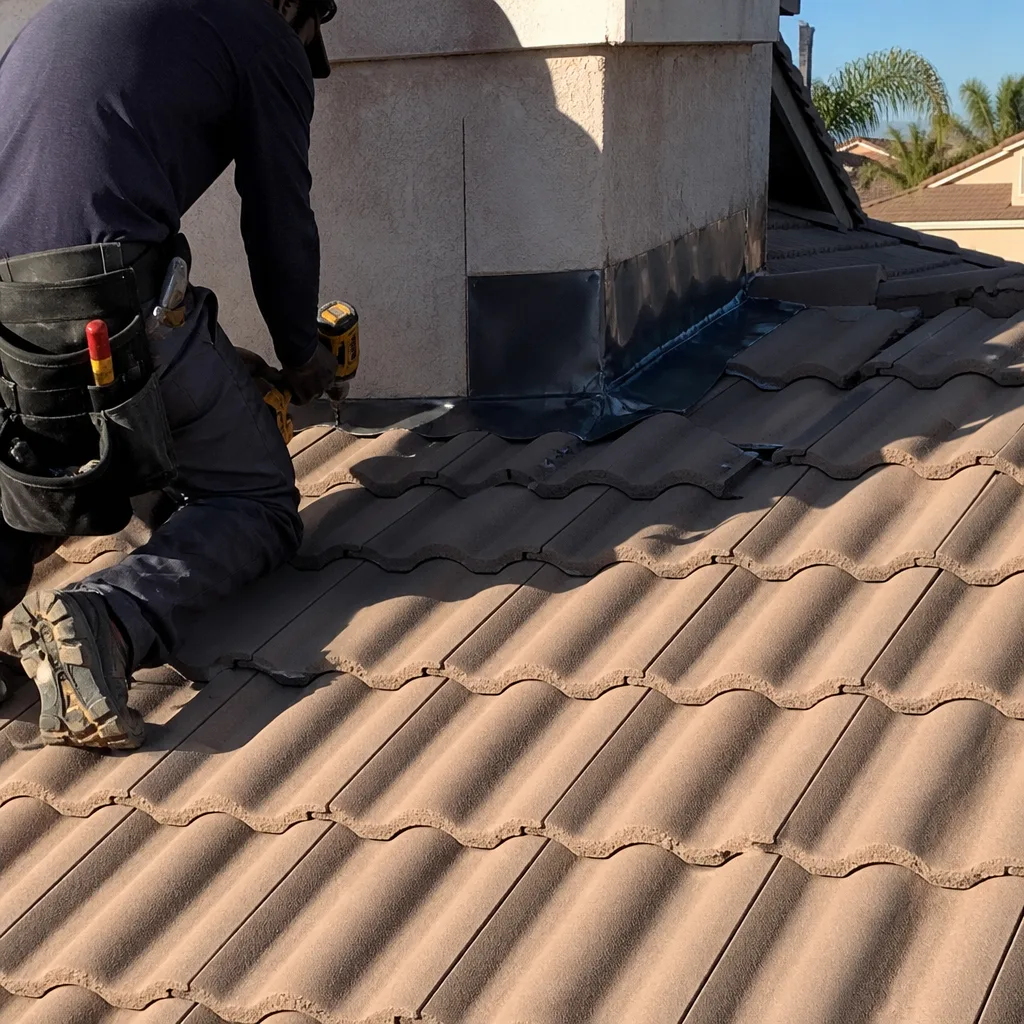
- Flashing condition at penetrations: Chimneys, vent pipes, skylights, and valley points are where the vast majority of Orange roof leaks originate. Aging or cracked flashing is the number one cause of emergency leaks during heavy rain.
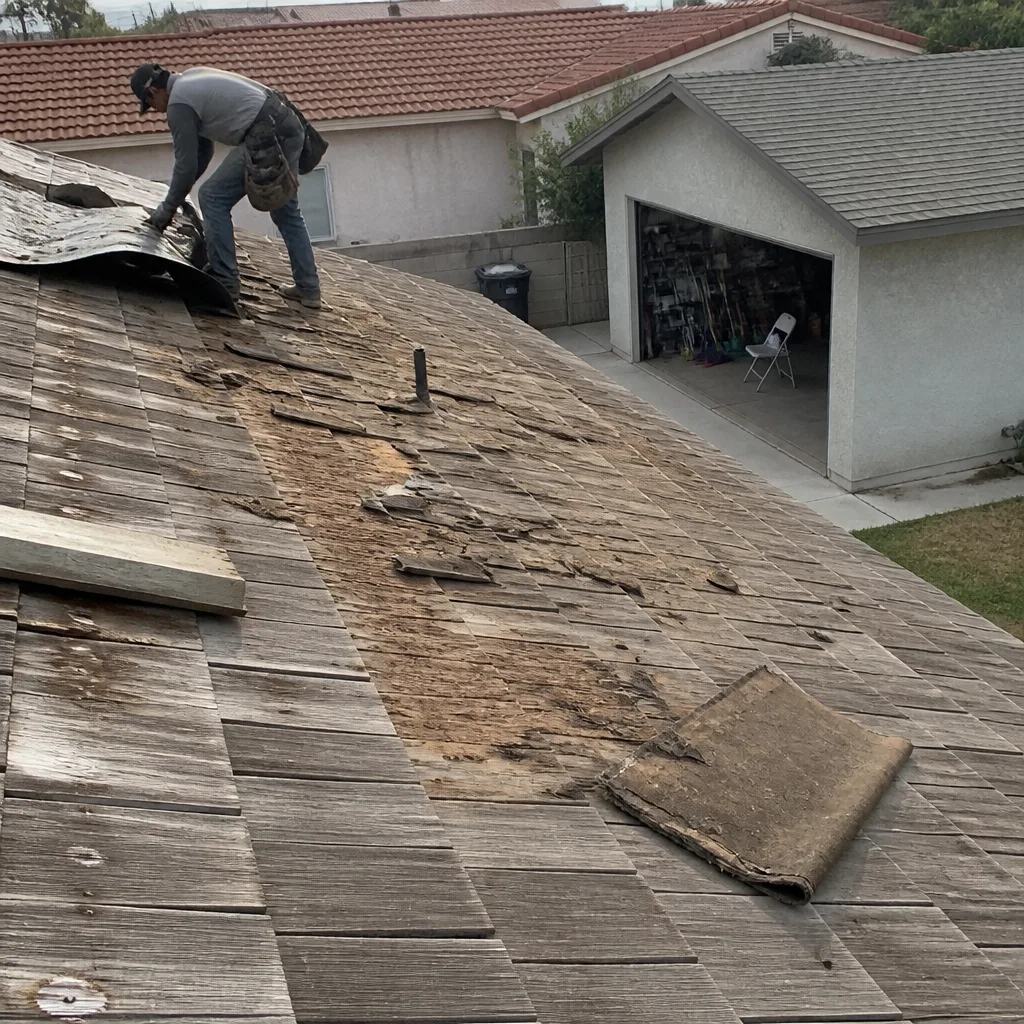
- Shingle or tile adhesion status: Wind-related emergencies almost always begin with a seal strip failure or cracked tiles that haven’t yet dislodged. Loose shingles can be re-sealed before Santa Ana season for a fraction of the cost of emergency repair.
- Underlayment and decking integrity in known trouble spots: Areas around HVAC units, satellite dish mounts, and solar panel brackets are common weak points. Water pools there, and the decking beneath often shows rot before the shingles above look worn.
Once you have this baseline, you know where to focus your material staging and what to tell a contractor if an emergency does occur. You’re not describing symptoms over the phone to a stranger. You’re referencing a documented condition report.
Building Your Roofing Emergency Kit: What Actually Works in Orange
Most “emergency kit” advice for homeowners is generic disaster prep: water, flashlights, batteries. A roofing emergency kit is different. It’s a specific set of materials and tools staged in your garage or shed, ready to deploy the moment water starts coming in. Here’s what Orange homeowners should have on hand before storm season:
Tarps: Sizing and Specs
Orange’s common roof spans vary by neighborhood, but most single-family homes fall between 1,200 and 2,400 square feet of roof surface. That means a single tarp won’t cover the whole roof, and it doesn’t need to. Emergency tarping is about sealing the leak area, not wrapping the entire structure. We recommend staging two tarps: one 20-foot by 30-foot heavy-duty polyethylene tarp (minimum 6-mil thickness) for large sections, and one 10-foot by 12-foot tarp for smaller localized failures around penetrations.
Blue budget tarps from the hardware store are not sufficient for Orange’s wind conditions. During a Santa Ana event, a thin tarp will shred within hours. Look for silver or white reinforced tarps rated for construction use. These hold up under sustained wind and won’t tear at the grommet points when secured properly.
Fasteners That Don’t Cause Secondary Damage
The fastest way to turn a $500 emergency tarp job into a $3,000 decking replacement is using the wrong fasteners. Drywall screws driven through shingles into the decking create dozens of new penetrations, each one a future leak point. What works in Orange is:
- Tarps with integrated grommets and rope ties: Secure edges to fascia boards, gutters, or anchor points without penetrating the roof surface.
- Sandbags or weighted anchors: For flat or low-slope sections, weight alone can hold a tarp if placed correctly along the edges and ridge lines.
- Furring strips screwed only into fascia: If penetration is unavoidable, anchor into the fascia board or rafter tails, never through the field of the roof.
Where to Stage Materials
Keep your emergency kit in the garage, not the shed. During heavy rain, the last place you want to be is crossing a wet yard at night to retrieve materials. Store tarps, rope, a headlamp, work gloves, and a utility knife together in a clearly marked bin. The headlamp matters more than you’d think: you’ll need both hands free while working on a ladder in the dark during an emergency.
Beyond the basic kit, consider keeping a roll of peel-and-stick underlayment patch material. Products like those manufactured for Atlas and Boral roof systems work as temporary patches over small punctures or lifted flashing. They adhere to damp surfaces and can stop a slow leak until professional repair arrives. This is a temporary measure, but it can mean the difference between a wet spot on the ceiling and a collapsed section of drywall.
Documenting a Roofing Emergency for Insurance: The First 24 Hours
Insurance claims for roof damage in Orange succeed or fail based on documentation collected in the first 24 hours. The sequence of photos you take, the order of documentation, and the language you use when describing the event all matter. Here’s the step-by-step process we recommend:
- Interior evidence first: Before touching anything, photograph the interior damage from multiple angles. Show the water stain on the ceiling, any dripping water, and the location relative to windows, doors, or fixtures. This establishes the timeline and proves water intrusion was active.
- Exterior damage second: Photograph the roof from the ground using zoom. Capture the specific area directly above the interior leak, plus wider shots showing the overall roof plane. If you can safely access a second-story window or a neighbor’s driveway for a better angle, do so. Never climb the roof yourself during or immediately after a storm.
- Measure and record: Note the dimensions of the interior water stain and photograph a tape measure held against it. Insurance adjusters use these measurements to estimate drying and restoration costs.
- Save everything: Store photos in a cloud folder with time and date stamps. Write down your recollection of when you first noticed the leak, what the weather was doing, and what actions you took. Memory fades quickly during stress; written notes from hour one are worth their weight in gold weeks later when you’re discussing with an adjuster.
One critical point: don’t begin repairs, even temporary ones, until you’ve documented the damage. Once you remove wet drywall or pull up damaged shingles, you’ve altered the evidence. Take the photos first, then mitigate.
Orange homeowners should also know that water damage claims are handled differently than wind damage claims under most policies. Water that enters through a storm-created opening in the roof is typically covered. Water that enters through a pre-existing maintenance issue is not. This is another argument for the pre-season inspection: it creates a dated, documented baseline showing your roof was in good condition before the storm.
Emergency Tarping vs. Emergency Repair: Understanding the Difference
This is one of the most important distinctions in roofing emergency response, and conflating the two creates real insurance complications. Emergency tarping is temporary weather protection. It stops active water intrusion and prevents further interior damage until permanent repair can be scheduled. Emergency repair is actual fixing of the roof: replacing damaged shingles, re-sealing flashing, or repairing decking.
Why does the distinction matter for insurance? Because insurers reimburse for emergency tarping as a mitigation cost, separate from the repair itself. When you submit a claim, the tarping expense is a line item under “emergency mitigation” or “temporary repair.” The permanent repair is a separate line item. If a contractor does both at once and bills it as a single “repair,” the insurer may push back on the mitigation portion, claiming it was part of the fixing rather than emergency response.
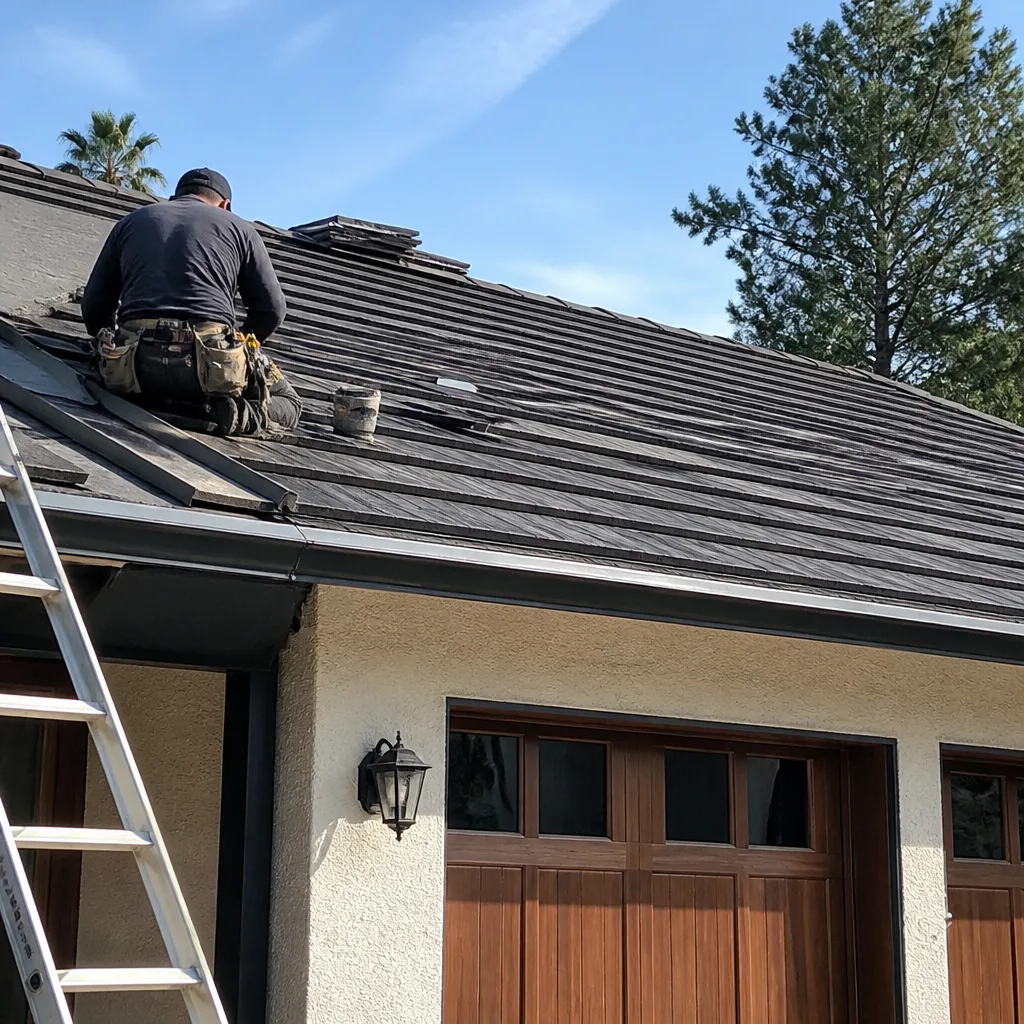
Here’s how it works in practice: after a Santa Ana event tears shingles off an Orange home, emergency tarping prevents rain from damaging the exposed decking and interior. The tarp stays in place for days or sometimes weeks while the insurance claim processes and permanent repair is scheduled. The tarping crew documents their work with photos, providing a dated record that supports the claim. The permanent repair crew then comes separately, removes the tarp, and fixes the roof properly.
Some homeowners worry that tarping means the repair will be delayed indefinitely. In our experience, the opposite is true: a properly tarped roof allows the homeowner and insurer to work through the claim without time pressure from active water damage. The emergency is controlled, which gives you room to make a good decision about permanent repair rather than a rushed one.
For Orange homeowners weighing a full Roof Replacement in Pico Rivera after storm damage, this sequencing is even more important. Replacement is a planned project, not an emergency response. The tarp protects the home while you evaluate whether repair or replacement makes sense for your roof’s age and condition.
Vetting an Emergency Roofer in Orange Without Getting Scammed
Post-storm solicitation scams are a real problem in Orange. Within hours of a major wind or rain event, out-of-town crews appear in affected neighborhoods, knocking on doors and offering “free inspections” that inevitably turn into high-pressure sales pitches for repairs you may not need. Some are unlicensed. Some are storm chasers who will be gone from Orange before the ink dries on the contract.
Here’s how to vet an emergency contractor quickly and correctly:
- Verify the license before anything else: Ask for the contractor’s California State License number and verify it on the Contractors State License Board website. This takes five minutes and eliminates the most dangerous operators immediately.
- Ask for local references you can call: A legitimate Orange roofer should have recent projects in the area. Ask for addresses of completed work and drive by if possible. If they’re from out of town and can’t show local work, move on.
- Check if they offer standalone inspection: A roofer who refuses to provide an inspection without a signed repair contract is telling you something about their business model. Companies like Windmill Roof Repair offer roof inspection as a separate service precisely so homeowners can get an honest assessment without obligation.
- Ask about material options: A contractor who only offers one shingle brand is usually tied to a preferred-vendor arrangement. Ask if they work across multiple manufacturers. Windmill works with seven brands, including GAF, CertainTeed, Owens Corning, IKO, Atlas, Tamko, and Boral. That breadth means recommendations are driven by your roof’s needs and your budget, not a sales contract with one manufacturer.
- Get the scope in writing with unit pricing: Emergency work is often quoted as a lump sum under time pressure. Push back. Ask for a line-item breakdown showing materials, labor, and permitting costs separately. A contractor who won’t provide this before starting work is likely padding the number.
Remember: a legitimate contractor understands the emergency and moves quickly, but never skips the basics of a written estimate and clear scope. The pressure to “sign now or lose the crew” is a red flag, not a real deadline.
Which Emergencies Can Wait Until Morning: A Decision Framework
Not every roof leak is a middle-of-the-night emergency. Calling for an immediate response when the situation is stable costs more and rarely changes the outcome. Here’s the framework we use to help Orange homeowners decide:
Immediate Action Required
- Active water penetration into living space: If water is dripping through the ceiling, running down interior walls, or pooling on floors, you need emergency mitigation now. Every hour of active intrusion spreads damage to insulation, drywall, and possibly electrical systems.
- Large sections of roof membrane exposed: If a wind event strips multiple shingles or tiles and the underlayment is visibly exposed over a large area, the next rain storm is a guaranteed leak. Tarping should happen before the weather turns.
- Structural compromise suspected: If you hear creaking, see sagging in the ceiling below the roof deck, or notice daylight visible through the attic, evacuate the affected rooms and call for emergency response immediately. This is rare but serious.
Can Wait Until Morning
- Small water stain with no active dripping: If the stain is localized and water isn’t actively flowing, place a bucket and document the stain. Schedule a professional inspection for the next business day.
- Missing shingles without exposed decking: A few missing asphalt shingles from brand names like Tamko or IKO don’t automatically mean the underlayment is compromised. If the roof felt or synthetic underlayment is intact, the roof remains water-resistant temporarily. Schedule repair within a few days.
- Debris on the roof with no visible damage: Tree branches or other debris sitting on the roof after a wind event can often be removed safely the next day. Unless water is actively entering, this is not an emergency.
The key variable in every decision is active water intrusion. Water actively entering the home demands immediate response. Everything else can wait for a daylight evaluation.
Common Mistakes to Avoid
- Waiting until the leak appears to find a contractor: Emergency contractors chosen under stress are more expensive and less vetted. Identify and vet a roofer during the dry season, before you need emergency response. Ask about their inspection process, their material options, and their emergency protocols before the first storm of the season.
- Driving screws through the roof deck to secure a tarp: Every penetration you create is a future leak. Use rope ties, weight anchors, or fascia-attached furring strips instead. The goal of tarping is to stop water without creating new damage.
- Documenting only the exterior damage and ignoring interior evidence: Insurance claims need both. Adjusters want to see the interior damage to understand the scope of water intrusion. Exterior-only photos make it harder to prove the full extent of the claim.
- Signing a contract from a door-knocking contractor without verification: Post-storm solicitors in Orange often disappear after collecting deposits. Verify licensing before signing anything, and never pay for work before it’s completed.
- Conflating tarping with repair in insurance documentation: Keep them separate. Tarping is temporary mitigation. Repair is permanent fixing. Blur the lines and you risk claim complications.
- Climbing the roof yourself during or immediately after a storm: Wet roofs are slippery. Wind gusts can knock you off balance. A fall from a roof is a medical emergency that makes a roofing emergency look minor by comparison. Document from the ground or from safe interior vantage points.
- Skipping the pre-season inspection because “the roof looks fine”: Roof damage is often invisible from the ground. Seal strip failures, flashing cracks, and underlayment deterioration don’t show up in a casual glance. The roof that “looks fine” in August is the one leaking in January.
When to Call a Professional
Call a professional roofer the moment you see active water intrusion, significant shingle or tile loss, or any sign of structural compromise. Don’t wait to see if it gets worse. Water damage compounds quickly in Orange homes, especially in older construction with original plaster and lathe that wicks moisture aggressively.
If you’ve documented the damage and controlled the immediate situation with temporary tarping, the next step is scheduling a professional assessment. Windmill Roof Repair offers free estimates in Orange. Call (866) 850-2496 and we’ll walk you through what needs to happen next, whether that’s a simple repair or a full evaluation for Roof Replacement in Pico Rivera.
But remember the thesis of this guide: the best time to call a professional is before the emergency. A dry-season inspection gives you the baseline, the documentation, and the contractor relationship that makes storm response dramatically less stressful and less expensive.
Frequently Asked Questions
Emergency roof repair in Orange typically ranges from $350 to $1,200 depending on the extent of damage and whether temporary tarping is included. Tarping alone usually costs between $200 and $500. Permanent repair of isolated damage, such as a few missing shingles or a flashing failure, typically falls between $500 and $3,000 depending on the materials involved and roof accessibility. Call (866) 850-2496 for an exact quote on your specific situation. Estimates are free.
A properly installed heavy-duty tarp can protect your Orange home for 30 to 90 days, depending on weather conditions and the quality of the installation. During Santa Ana season, high winds may loosen tarp anchors and require re-securing. The tarp is temporary protection, not a permanent solution, so schedule permanent repair as soon as your insurance claim or budget allows. Call (866) 850-2496 to discuss your situation, and we’ll give you honest guidance on timing.
Most homeowners insurance policies in California cover emergency tarping as a mitigation expense when the damage results from a covered peril, such as wind or storm damage. Document the damage thoroughly before tarping, keep receipts for all materials and labor, and submit the mitigation costs as a separate line item from permanent repair. The pre-season inspection documentation strengthens your claim by establishing the roof was in good condition before the event.
We strongly recommend against DIY roof repair in Orange, especially on a two-story home or during wet conditions. Working on a wet roof is genuinely dangerous, and improper repairs often void manufacturer warranties and complicate insurance claims. Temporary measures like tarping from the ground or from a stable ladder are acceptable for mitigation, but permanent repair should be left to licensed professionals.
The single deciding factor is active water intrusion. If water is entering your living space, it’s an emergency and requires immediate mitigation. If you have missing shingles but no water entering, or a small stain that isn’t currently dripping, you can typically wait until the next business day for a professional assessment. When in doubt, document thoroughly and call (866) 850-2496 for guidance. We’ll help you decide whether it needs immediate attention.
Look for three things: a verifiable California contractor’s license, local references you can check, and a willingness to provide a written line-item estimate before starting work. Also ask about material options. A contractor who works across multiple brands, including Atlas and Boral, is more likely to recommend what your roof actually needs rather than what their preferred vendor supplies. Windmill Roof Repair checks all these boxes, and we’re happy to walk you through our credentials before any work begins.
The Bottom Line
Roofing emergencies in Orange are a reality of the climate. Santa Ana winds will strip shingles, winter storms will expose weak flashing, and homes will leak. The difference between a manageable incident and a major loss comes down to preparation. Get a professional inspection during the dry season. Stage your emergency materials. Document properly if damage occurs. Vet your contractor before you need them. Understand the difference between tarping and repair, and between immediate emergencies and tomorrow-morning problems. The homeowners who handle Orange’s weather with the least damage and lowest cost are the ones who prepared before the sky turned dark. For more guidance from the Windmill Roof Repair home team, or to schedule a Roof Inspection in Pico Rivera, call (866) 850-2496.
See the difference
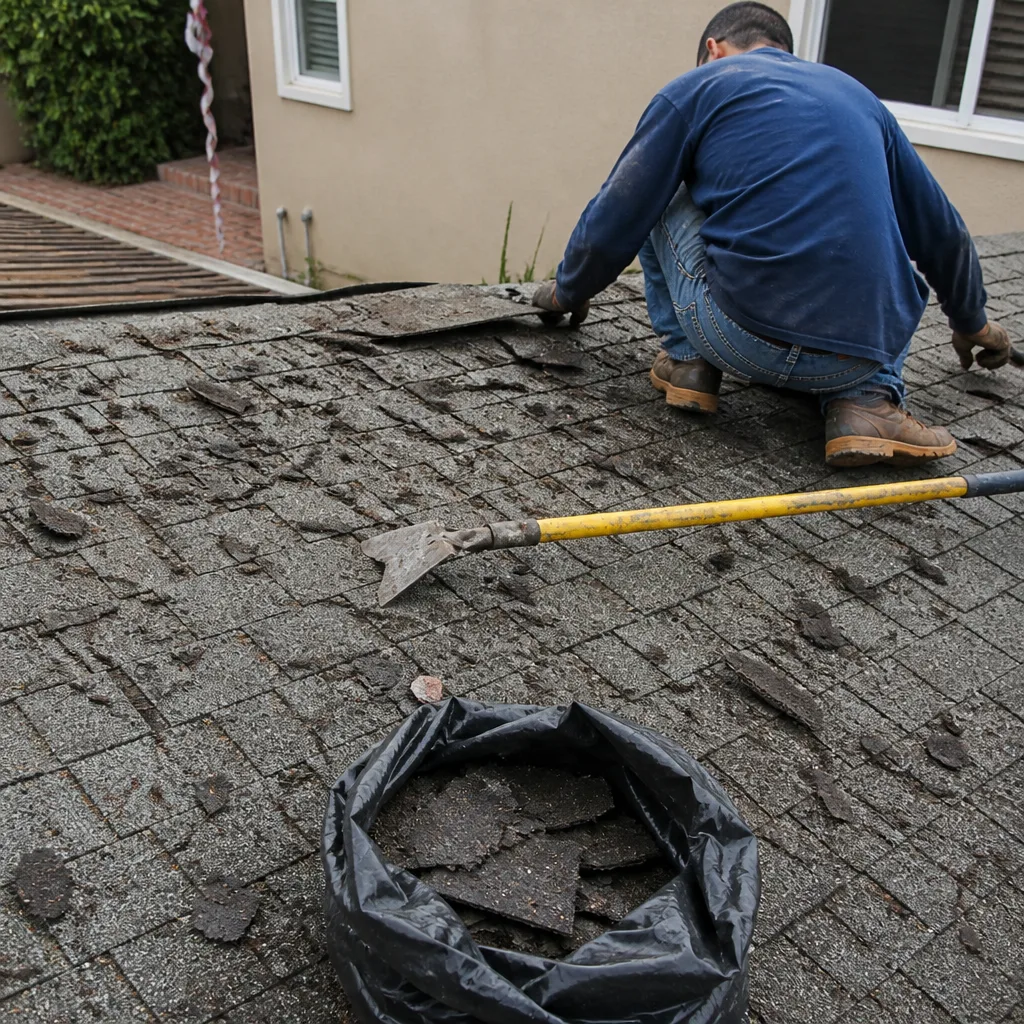 Before
 After
 Before
 After
 Before
 After