
Last updated October 31, 2026
 Metal roofing
 Architectural shingles
 Tile roofing
 GAF
 Owens Corning
 Flat & low-slope
Free roof inspection with deck photos before we talk money - GAF and Owens Corning certified installation
Seasonal Roofing Care for Orange: Year-Round Homeowner’s Guide
Orange gets roughly 14 inches of rain a year, and nearly all of it lands between November and March. That single fact changes everything about how you should care for your roof. Most seasonal roofing guides you’ll find online are written for a four-season climate with snow, ice, and autumn leaf buildup, but you can find The Complete Guide to Roofing in Orange and other local resources instead. Orange doesn’t work that way. This guide reframes roof care around two critical transition windows and two maintenance windows that actually match the weather patterns here in Orange, so you’re doing the right task at the right time instead of following a national template that doesn’t apply to Southern California.
Styles & brands we work with
Quick Answer
Orange has two critical roofing windows, not four seasons: the May through September dry season is when you should inspect, repair, and prepare your roof for the coming rains, and the October through December Santa Ana wind season creates a second inspection need after wind events. The November through March rainy period is for monitoring and emergency response, while the January through April window is for post-rain assessment and planning.
Table of Contents
- The Dry Season (May – September): Your Real Preparation Window
- Santa Ana Wind Season (October – December): The Secondary Inspection
- Rainy Season (November – March): Monitoring and Emergency Response
- Post-Rain Assessment (January – April): Catch Damage Early
- Summer Heat and Your Roof: What Orange Homeowners Miss
- The Homeowner Roof Log: Track Patterns Before They Become Problems
- Common Mistakes to Avoid
- When to Call a Professional
- Frequently Asked Questions
- The Bottom Line
The Dry Season (May – September): Your Real Preparation Window
Here’s the counterintuitive truth most Orange homeowners miss: fall is not the time to prepare your roof for winter rain. By October, every reputable roofing contractor in Orange is booked solid, and manufacturers are dealing with end-of-year material demand, as we explain in Choosing the Right Roofing Brand: A Buyer’s Guide for Orange. The actual preparation window is May through September, when the weather is dry, crews are available, and you have months of buffer before the first storm arrives.
During this window, several things work in your favor. Shingles and sealants cure properly in warm, dry conditions, which means any repair work done in June or July will be fully set before rain arrives. Our team at Windmill Roof Repair home has seen too many Orange homeowners call in late October needing repairs before an approaching storm, only to find that the work can’t be scheduled for three weeks or that the specific shingle color they need is on backorder. Planning ahead is the single biggest advantage you can give yourself.
What to Do During the Dry Season
- Schedule a professional inspection. A standalone Roof Inspection in Pico Rivera gives you an objective picture of your roof’s condition before any work is agreed upon. In Orange, we recommend doing this in May or June, not September or October.
- Address minor repairs immediately. Small issues caught in June are cheap fixes. The same issue found in November becomes an emergency. Loose flashing, cracked sealant, a few missing granules on shingles near the ridge line – these are all easier and less expensive to fix during the dry season.
- Clean debris from valleys and around penetrations. Even in Orange’s relatively leaf-light environment, eucalyptus bark, pine needles from neighborhood plantings, and wind-blown debris accumulate in roof valleys and around chimneys, vents, and skylights. This debris holds moisture against roofing materials and accelerates deterioration.
- Check attic ventilation. Orange summers put real strain on attic spaces. Proper ventilation extends shingle life by reducing heat buildup that cooks roofing materials from underneath. If your attic feels like an oven in August, your roof is aging faster than it should.
- Plan for any major work. If an inspection reveals that your roof is nearing the end of its service life, summer is when you want to schedule Roof Replacement in Pico Rivera. You’ll have your pick of appointment times, full material availability, and dry weather for installation.
One thing we tell Orange homeowners repeatedly: the roof doesn’t care what month it is. It degrades incrementally, year-round. The dry season simply gives you the best conditions to intervene.
Santa Ana Wind Season (October – December): The Secondary Inspection
Most seasonal roofing guides ignore Santa Ana winds entirely because they’re written for other climates. But in Orange, the October through December period brings the strongest sustained winds of the year, and those winds do specific, predictable things to roofs that you should be checking for.
Santa Ana events can gust 40 to 60 mph in the foothills and canyons around Orange. These winds don’t just blow leaves around. They lift shingle tabs, loosen flashing, and can tear off ridge caps entirely. They also drive debris across roof surfaces, which can cause impact damage to shingles and granules. After any significant Santa Ana event, a quick visual check is worth your time.
What to Look for After a Santa Ana Event
- Lifted or missing shingle tabs. Walk the perimeter of your home and look at the roofline. Shingles that are no longer lying flat against the course below them are compromised. From ground level, you can often spot these as slight irregularities in the roof’s shadow line.
- Debris accumulation. Santa Anas deposit branches, leaves, and sometimes trash on roofs. This debris traps moisture and blocks drainage. Check valleys and the areas behind chimneys and dormers.
- Loose flashing around vents and chimneys. Wind-driven rain is a real threat during Santa Ana season, and loose flashing is exactly where that rain enters. Look for gaps or lifted metal at roof penetrations.
- Shingle granules in gutters and downspouts. If you see granule accumulation after a wind event, that’s evidence of wind-driven shingle wear. Some granule loss is normal, but a significant amount after a single event warrants closer inspection.
- Displaced ridge caps. The ridge line takes the full force of wind. Look for any visible gaps or misalignment along the ridge from ground level.
If you spot any of these issues, don’t wait until the rainy season to address them. A Roof Repair in Pico Rivera done in November, before the heaviest rains arrive, is dramatically cheaper than emergency work during a December downpour. The team at Windmill Roof Repair works across seven major shingle brands including GAF, CertainTeed, and Boral, which means we can match your existing roof material when a targeted repair is the right call rather than a full replacement.
Rainy Season (November – March): Monitoring and Emergency Response
Orange’s rainy season is concentrated and intense. When it rains here, it often rains hard for short periods, which tests your roof’s drainage capacity more than a gentle all-day drizzle would. The roofs that fail during Orange rainstorms are almost always roofs that had existing, undetected problems before the rain started. Understanding this changes how you should think about rainy season roof care.
During the rainy months, your job shifts from preparation to monitoring. You’re not fixing things during a storm – you’re watching for the early signs that a problem exists so you can address it the moment the weather clears. Here’s what to watch for:
Active Leak Monitoring Checklist
- Check ceilings after the first heavy rain of the season. The first big storm is when dormant leaks reveal themselves. Look for water stains, discoloration, or bubbling paint on ceilings, especially around light fixtures, in corners, and near exterior walls.
- Inspect the attic during daylight hours. After a storm passes, go into your attic with a flashlight and look for water stains on the underside of the roof deck, wet insulation, or daylight visible through gaps in the decking. These are the earliest indicators of a roof leak before it reaches your living space.
- Watch for water staining on exterior walls below the roofline. Water that enters at the flashing line often travels down inside the wall cavity before becoming visible. Staining on interior or exterior walls below the roofline often points to a flashing problem at the roof-wall intersection.
- Listen for dripping sounds during rain. It sounds obvious, but homeowners often dismiss dripping as coming from outside or from plumbing. If you hear dripping that seems to be coming from inside a wall or ceiling cavity during rain, investigate.
- Monitor areas where you’ve had previous issues. Roof leaks have a tendency to recur in the same general area if the root cause wasn’t fully addressed. If you’ve had a leak before, even if it was repaired, check that area first during every rainy season.
If you do find an active leak during the rainy season in Orange, the reality is that permanent repairs often need to wait for dry conditions. Roof sealants and adhesives don’t cure properly on wet surfaces, and working on a wet roof is dangerous for the crew. What you can do is contain the water, document the issue, and get on a contractor’s schedule quickly so the repair happens as soon as weather allows—see The Complete Roof Repair Guide for Orange Homeowners for more details. That’s a conversation worth having early in the season, not after a leak has already caused damage to drywall, insulation, or framing.
Post-Rain Assessment (January – April): Catch Damage Early
As Orange’s rainy season winds down in March and April, a window opens for assessment that most homeowners overlook. By this point, your roof has endured whatever the winter delivered, and the damage – if any – is visible. This is the time to evaluate what happened and plan for the coming dry season’s repair work.
The post-rain assessment is different from an inspection because you’re looking for change, not just condition. Something happened to your roof during the winter. Either it held up, or it didn’t. Your job is to figure out which and what that means for the year ahead.
What the Post-Rain Assessment Tells You
- Whether your previous repairs worked. If you had flashing repaired last year and the area stayed dry through winter storms, you know that repair was successful. If water returned, the original issue wasn’t fully resolved.
- Where your roof is aging fastest. Southern and western sun exposure ages shingles faster in Orange. If the south-facing slope shows more granule loss or curling than the north slope, that’s useful information for planning future work.
- Whether drainage is functioning properly. Pooling water visible after rain indicates low spots or blocked drainage paths. In Orange’s flat and low-slope roof sections, this is particularly important to catch.
- What the winter revealed about your roof’s weak points. Every roof has them. The post-rain assessment is how you learn where yours are before they become emergencies.
Between January and April, contractor availability in Orange is generally good. The holiday rush is over, and the pre-rain panic hasn’t started. If your post-rain assessment reveals issues that need attention, this is an excellent time to get on a contractor’s schedule to ensure the work happens during the early dry season.
Summer Heat and Your Roof: What Orange Homeowners Miss
Orange summers are dry and hot, with extended periods above 90 degrees and occasional spikes higher. Most seasonal roofing guides for other regions treat summer as a stable period when nothing much happens to roofs. That’s wrong for Southern California. Heat is a slow, relentless force that degrades roofing materials in specific ways, and Orange homeowners who understand this catch problems earlier.
Roof surface temperatures in Orange can reach 160 degrees or higher on summer afternoons, even when air temperature is in the 90s. That heat does several things to your roof simultaneously: it accelerates the evaporation of volatile compounds in asphalt shingles, which makes them more brittle over time; it causes thermal expansion that stresses seams, joints, and flashing adhesion; and it bakes sealants until they crack and fail. If you want to understand why your roof ages at a certain rate, look at how many days of extreme heat it experiences each summer.
Heat-Specific Issues to Check During Orange Summers
- Flashing adhesion failure. The sealants that bond flashing to roofing materials are stressed by repeated expansion and contraction. In Orange’s heat, these bonds can fail after several summers. Look for lifted flashing edges or visible gaps at roof penetrations.
- Ridge cap integrity. Ridge cap shingles are more exposed to heat than field shingles because they sit at the highest point of the roof with minimal attic ventilation beneath them. Curling or cracking ridge caps are often the first visible sign of heat damage.
- Sealant cracking around skylights and vents. The flexible sealants used around roof penetrations harden and crack with heat exposure. This creates entry points for wind-driven rain during the winter months that follows.
- Attic ventilation adequacy. If your attic lacks proper ventilation, heat builds up and accelerates shingle deterioration from underneath. This is a classic Orange problem because many older homes in the city were built with minimal attic ventilation by modern standards.
- UV degradation on south and west exposures. Over time, UV radiation breaks down the chemical bonds in asphalt shingles. South-facing and west-facing slopes in Orange age noticeably faster, and you’ll see the difference in color, granule retention, and flexibility.
This is where material choice matters. Different shingle brands handle heat differently, and that’s part of why Windmill Roof Repair works across seven manufacturers including Tamko, CertainTeed, and GAF. When we assess a roof in Orange with significant south exposure, the right material for that specific roof might not be the same as the right material for a heavily shaded roof in another part of the city. The point isn’t that one brand is universally better – it’s that different roofs facing different conditions benefit from different materials, and homeowners deserve options.
The Homeowner Roof Log: Track Patterns Before They Become Problems
Here’s a simple tool that most Orange homeowners never use but that pays off massively over time: a dated log of what you observe on your roof. The purpose isn’t to create a maintenance record for resale value, though it helps there too. The purpose is to make patterns visible that are invisible when you’re only looking at a single moment in time.
A roof leak that appears every February for three years running is a different problem than a roof leak that appeared once in February and never returned. But if you’re not writing things down, the pattern is easy to miss. Here’s how to set up a simple system:
Creating Your Roof Log
- Get a notebook or a simple spreadsheet. Physical or digital, it doesn’t matter. What matters is that it’s in one place and you actually use it. A simple three-ring binder or a Google Sheet both work fine.
- Log the date and what you observed. Every time you do a visual check, walk the perimeter, go into the attic, or notice something unusual after a storm, write it down with the date. Be specific: “March 14 – noticed water stain on garage ceiling in northeast corner, about 3 inches in diameter.”
- Log weather events. When Orange gets a particularly heavy rain or a strong Santa Ana wind event, note it in your log. This provides context for any observations that follow. “December 8 – heavy rain, approximately 1.5 inches in 24 hours. No new stains observed.”
- Log repair and inspection dates. When you have work done, record what was done, by whom, and when. Include the specific areas addressed. This creates a paper trail that helps any contractor you work with in the future.
- Review your log annually. Each spring, read back through the full year of entries. Patterns will emerge: recurring issues in the same area, seasonal timing of problems, or gradual changes in condition you wouldn’t notice month to month.
When you eventually call a roofer for an inspection or repair, this log is genuinely valuable information. It tells the contractor where to look, what has been tried before, and what has already been ruled out. That saves time and leads to better diagnoses. It also helps you evaluate whether a recommended repair is likely to solve the problem or whether the underlying issue might be something else.
Over the years, we’ve worked with Orange homeowners who’ve kept detailed logs like this, and the difference in those conversations is striking. They can tell us exactly when a problem appeared, what the weather was like, and whether previous repairs held. That’s information that lets us target the actual issue rather than starting from scratch.
Common Mistakes to Avoid
- Waiting until fall to schedule inspections. By October, the best roofing contractors in Orange are booked out for weeks, and material availability for popular shingle colors tightens. The May through September dry season is the time to schedule inspection and repair work, not October.
- Ignoring the roof after Santa Ana wind events. Santa Anas cause more hidden roof damage in Orange than most homeowners realize. A quick visual check after any significant wind event takes ten minutes and can catch lifted shingles or loose flashing before rain exploits them.
- Assuming a small stain is a small problem. By the time water is visible on your ceiling, it has already traveled through the roof deck, insulation, and drywall. The actual entry point is often several feet away from the visible stain, and the damage behind the wall can be far more extensive than the stain suggests.
- Neglecting attic ventilation during Orange summers. Inadequate attic ventilation accelerates shingle aging dramatically. In Orange’s heat, this is one of the most common contributors to premature roof failure that homeowners overlook because they never go into the attic.
- Treating all roof slopes as equal. South and west-facing slopes in Orange age faster due to UV and heat exposure. If you’re only checking the side of the roof you see from the street, you might be missing the slope that needs the most attention.
- Deferring minor repairs because they seem cosmetic. Cracked sealant, a few lifted shingle tabs, minor flashing gaps – these all have a way of becoming major issues during the first heavy rain. Repairs done during the dry season are always cheaper than emergency work during a storm.
- Replacing a roof without understanding your material options. Different roofs in different parts of Orange face different conditions, and different materials handle those conditions differently. Working with a contractor who offers multiple brand options means your roof gets matched to what it actually needs rather than what the contractor happens to sell.
When to Call a Professional
Some situations call for a professional inspection or repair, full stop. If you see water stains on ceilings or walls that appear or grow after rain, call a roofer – you have an active leak, and by the time water is visible inside, the damage is already happening. If shingles are visibly lifted, missing, or curling, especially after a wind event, that’s a sign of compromise that will only worsen. If you notice granules accumulating in gutters in significant volume, your shingles are degrading at an accelerated rate. If your roof is 15 years or older and you’ve never had a professional assessment, it’s overdue. And if you’re planning to sell your Orange home, a pre-listing roof inspection can identify issues before they become negotiating points during escrow. Windmill Roof Repair offers free estimates in Orange – call (866) 850-2496 to schedule one.
Frequently Asked Questions
Once a year is adequate for most Orange homes, with the inspection scheduled during the May through September dry season so any needed repairs can be completed before the rains arrive. Homes with older roofs, significant tree coverage, or a history of water intrusion may benefit from twice-yearly inspections: one in late spring and one after the Santa Ana wind season concludes.
Many roofing contractors offer free inspections as part of their estimate process, though standalone inspections with a written report typically range from $200 to $500 depending on roof size, complexity, and whether attic access and moisture testing are included. At Windmill Roof Repair, a roof inspection is offered as a standalone service, so you can get an objective picture of your roof’s condition without any pressure to proceed with work. Call (866) 850-2496 for current inspection pricing.
You can and should do basic visual checks from ground level year-round – look for lifted shingles, obvious damage, debris accumulation, and changes in the roof’s appearance. What you can’t do from the ground is evaluate flashing integrity, sealant condition, granule loss patterns, or attic ventilation, all of which require ladder or attic access and a trained eye. Ground-level checks complement professional inspections; they don’t replace them.
In most cases, yes – wind damage is typically covered under standard homeowners insurance policies, including damage from named Santa Ana wind events. Your policy deductible applies, and you’ll want to document damage with photos before any repairs are made. Your roofer can help you understand what they’re seeing and whether the damage is likely to exceed your deductible, which helps you make an informed decision about whether to file a claim.
For a typical residential roof, most replacements take between one and three days once materials are on site, depending on roof size, pitch, number of penetrations, and whether any decking replacement is needed. The larger variable in Orange is scheduling: summer slots fill quickly, and fall availability tightens dramatically. This is why planning replacement work for early summer is the best strategy. Call (866) 850-2496 for a current scheduling outlook and a free estimate.
Yes, the City of Orange requires building permits for roof replacements and most repairs that involve structural components. A licensed roofing contractor will pull the necessary permits and schedule required inspections as part of the job. Working with a contractor who handles permitting properly protects you from compliance issues down the line, especially if you plan to sell your home.
The Bottom Line
Orange roofing care isn’t a four-season process, and treating it like one means doing the right tasks at the wrong times. The dry season from May through September is your real preparation window: schedule inspections, make repairs, and plan replacements while the weather cooperates and contractors are available. The Santa Ana season from October through December demands a secondary round of visual checks after wind events. The rainy season from November through March is for monitoring, not fixing, and the post-rain months from January through April are for assessment and planning. Track what you observe in a simple log, address small issues before they become large ones, and you’ll get maximum life from your roof with minimum stress. If you’re ready for an objective look at what your roof actually needs, explore more guides & resources or call the team at Windmill Roof Repair at (866) 850-2496.
Written by the team at Windmill Roof Repair, serving Orange since 2018.
See the difference
 Before
 After
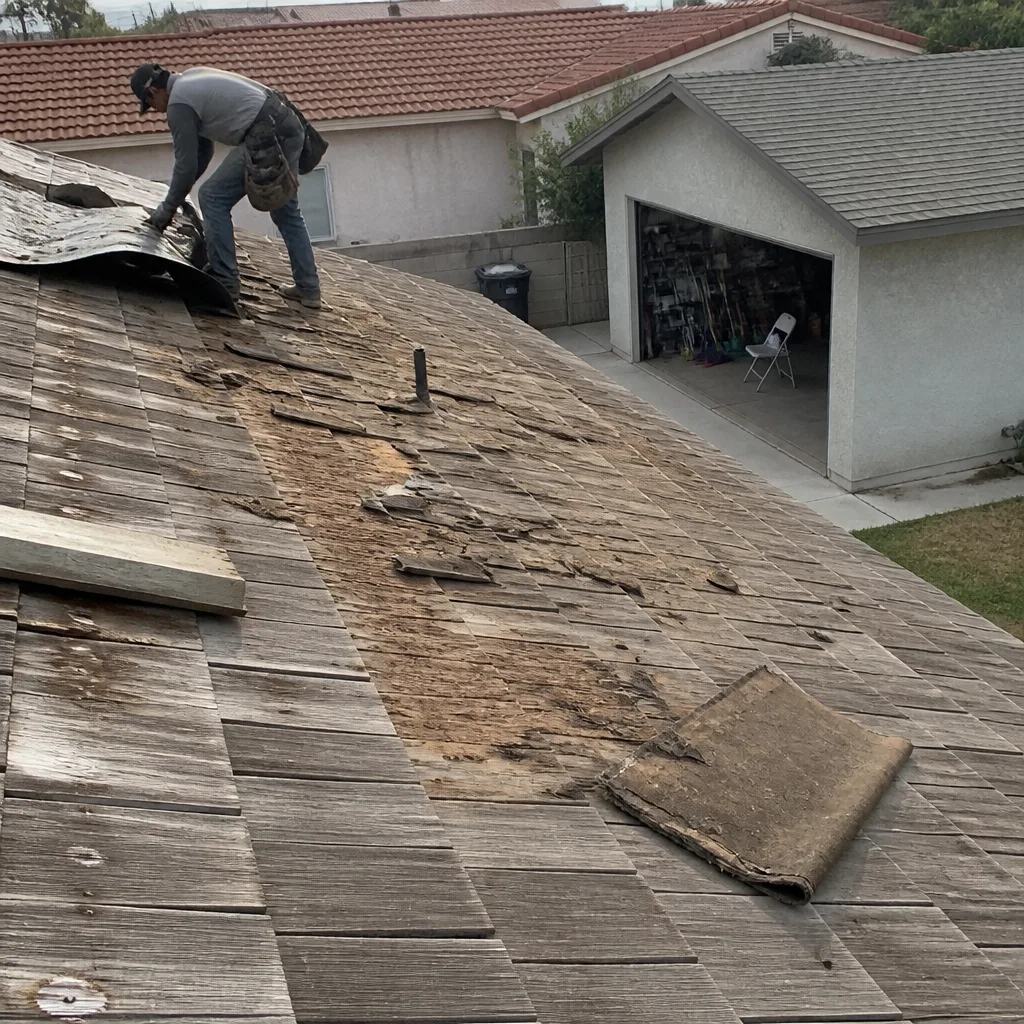 Before
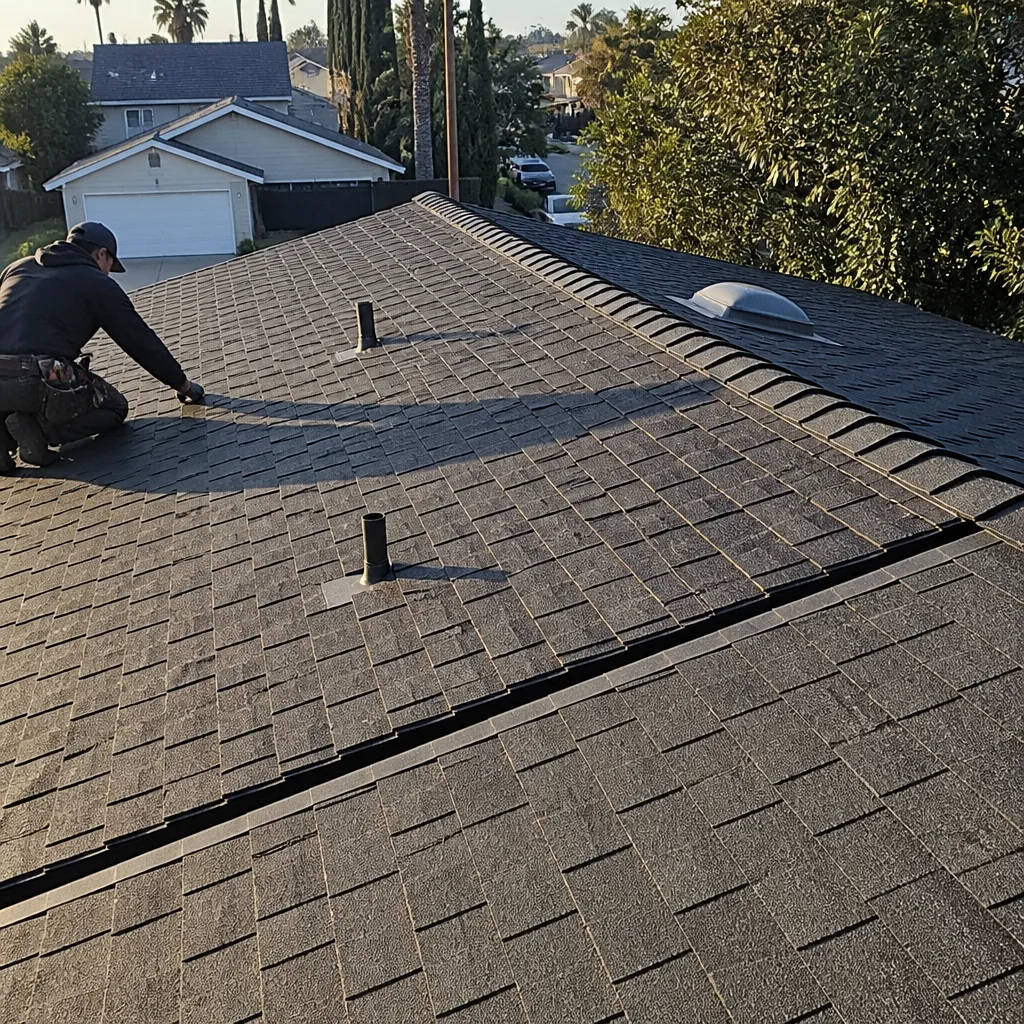 After
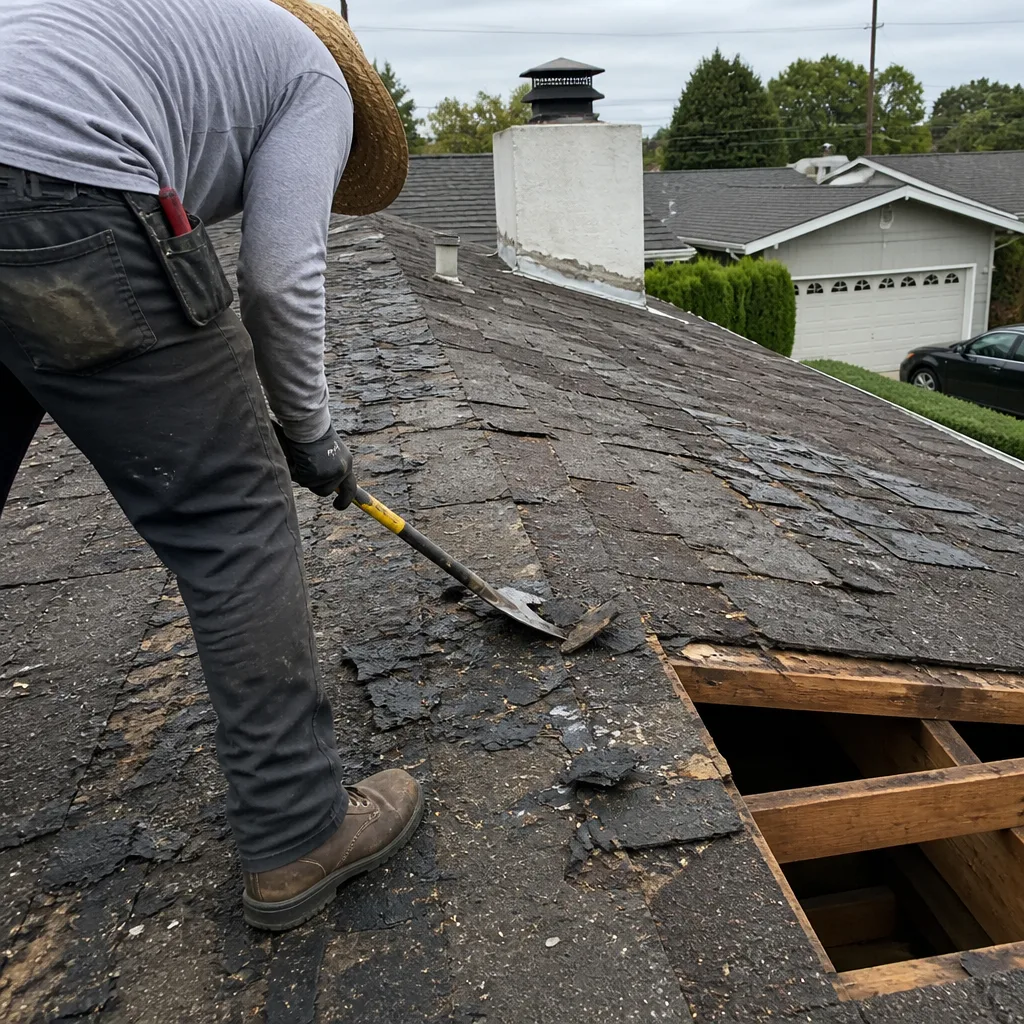 Before
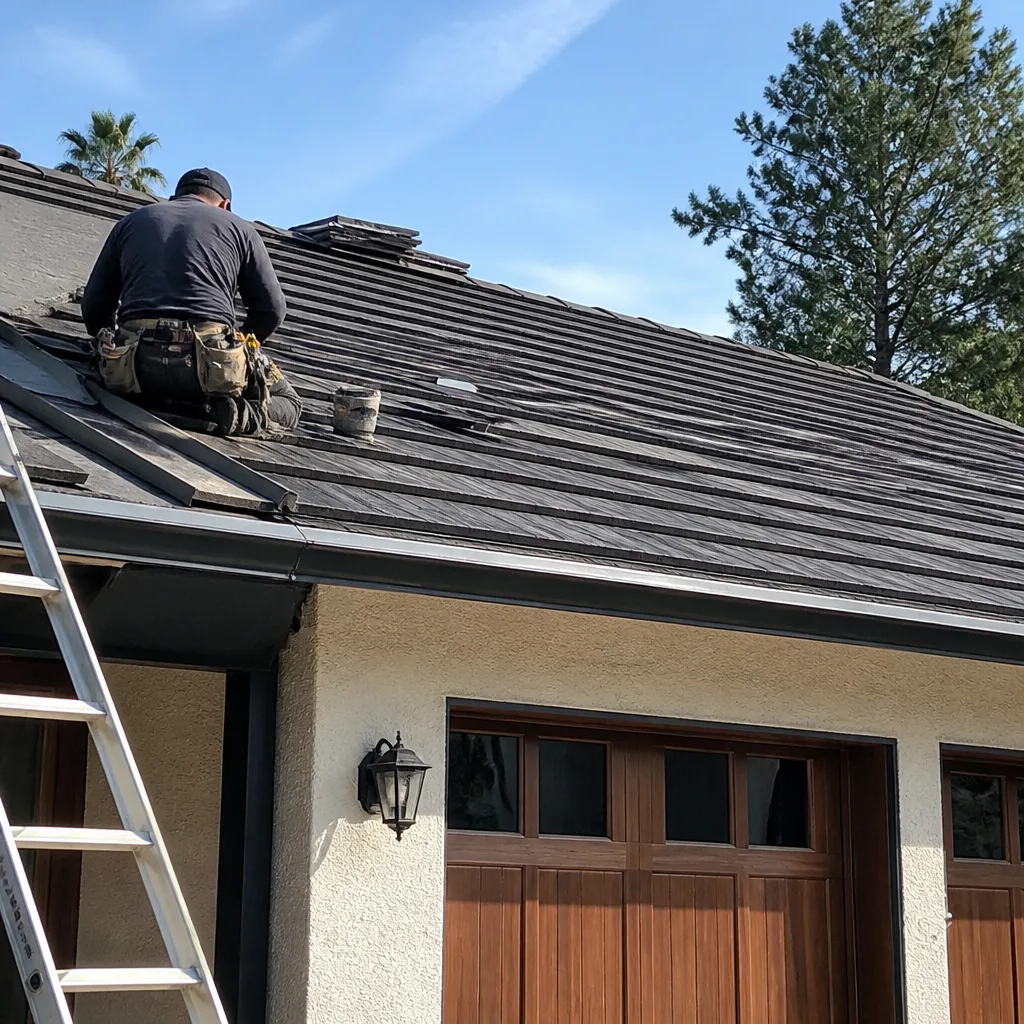 After