
Last updated October 31, 2026
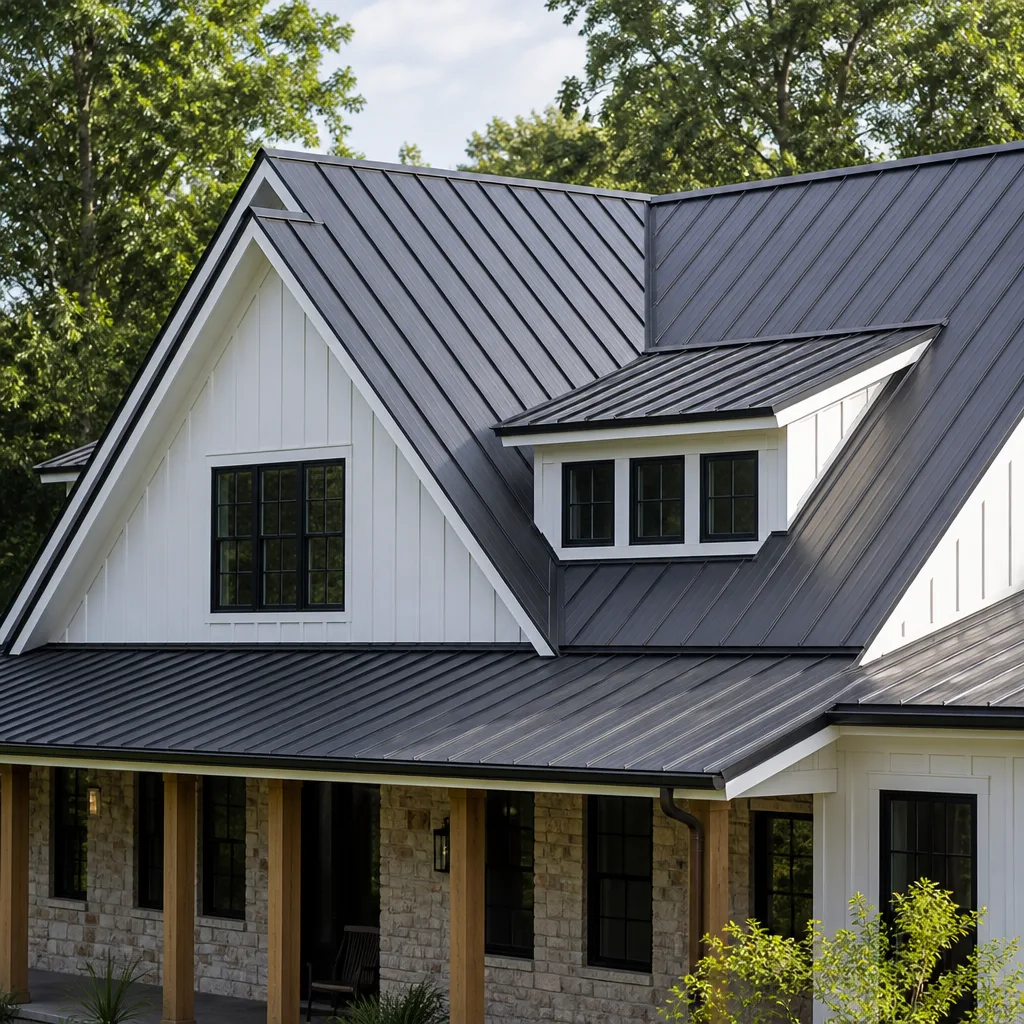 Metal roofing
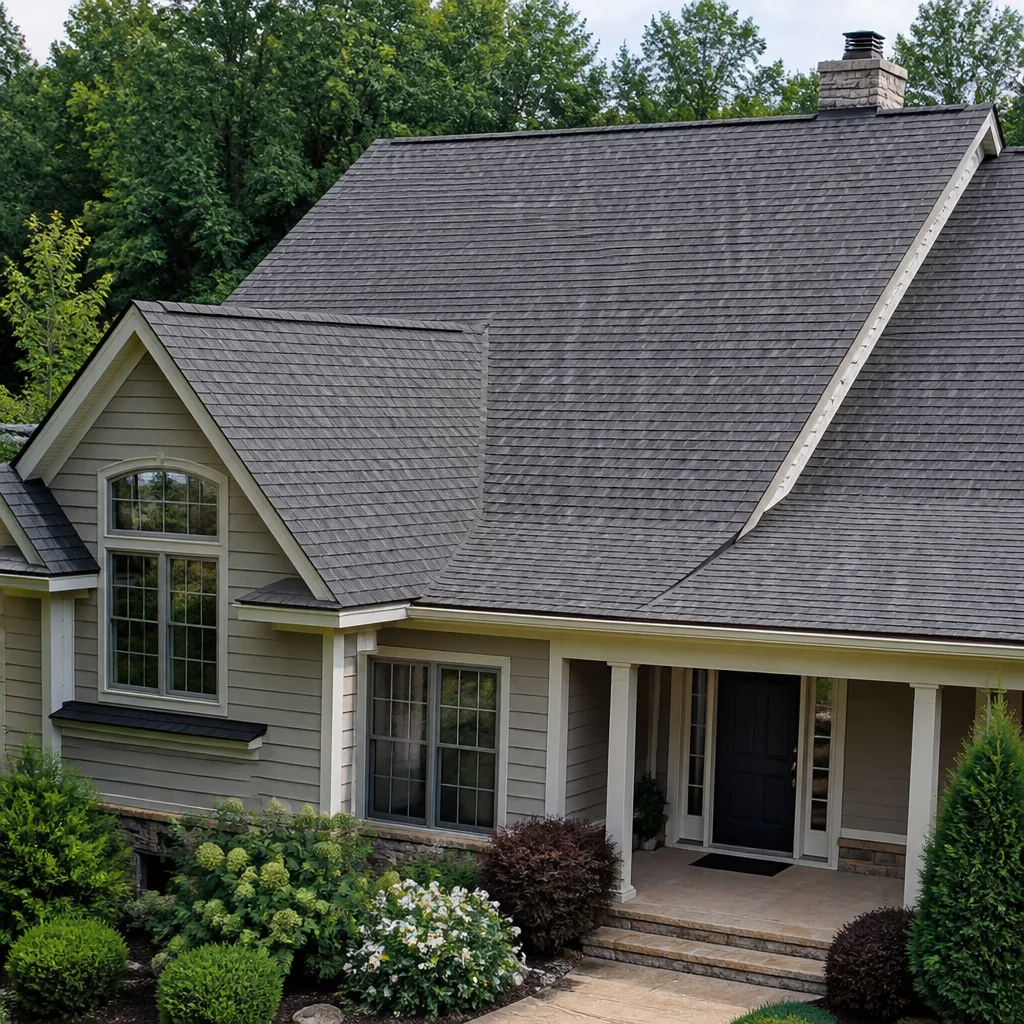 Architectural shingles
 Tile roofing
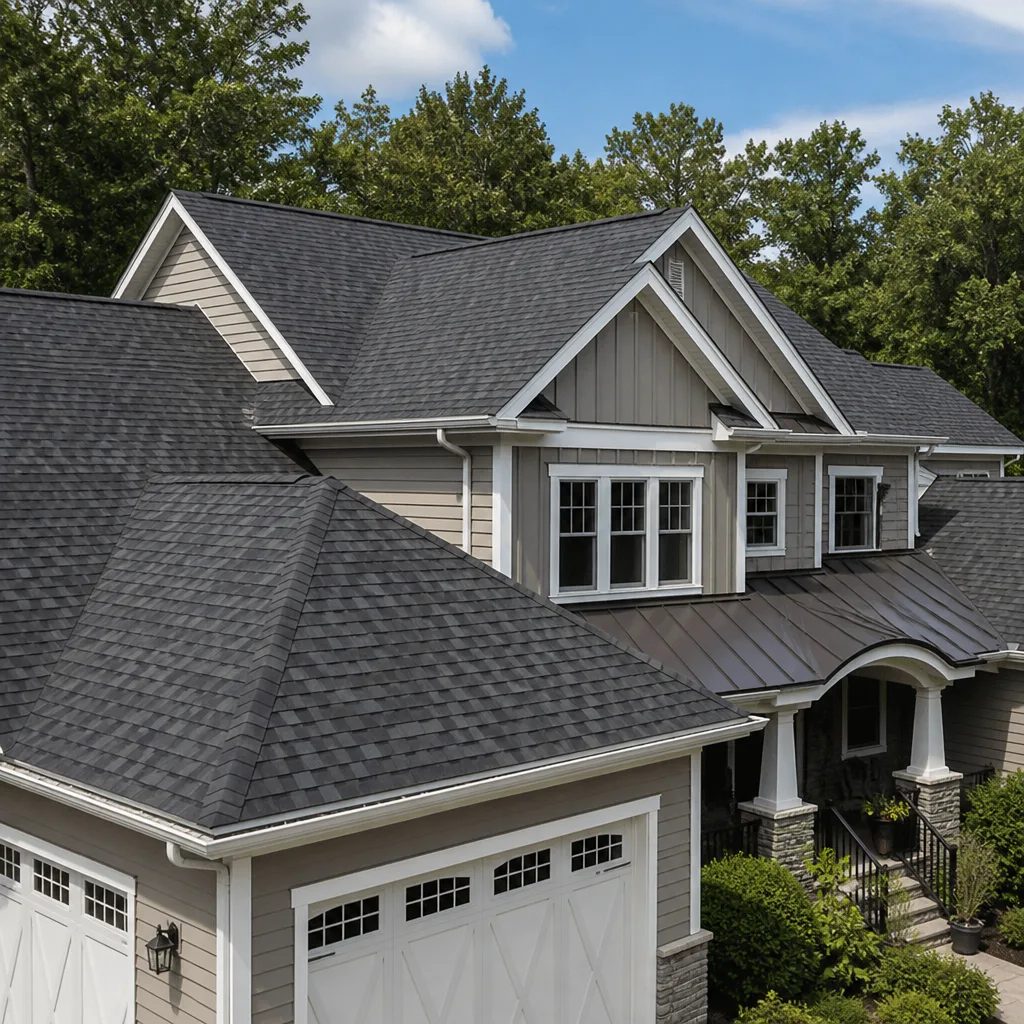 GAF
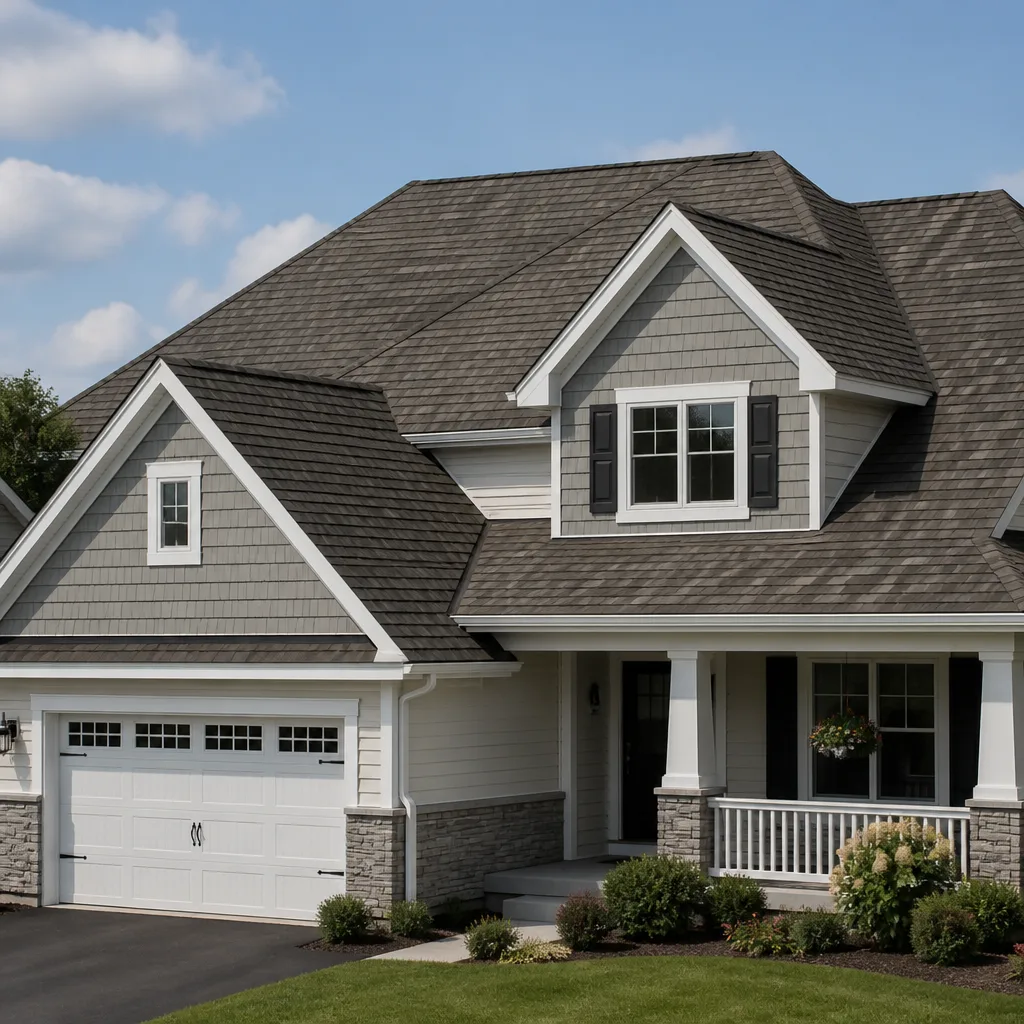 Owens Corning
 Flat & low-slope
Free roof inspection with deck photos before we talk money - GAF and Owens Corning certified installation
Roofing Permits, Codes & Inspections in CA: What You Need to Know
Here’s a number most Orange homeowners never see coming: a roof replaced without a permit in California can reduce a home’s resale value by the full cost of the re-roof, because the buyer’s lender may refuse to fund the loan until the unpermitted work is torn off and redone with city approval. The roof could be three years old and perfectly installed. It doesn’t matter. No permit means no legal record, and no legal record means the next buyer inherits your problem. This guide explains exactly which roofing jobs in California trigger permit requirements, how Title 24 energy codes shape your material choices in Orange’s climate zone, what inspectors actually look for, and how to verify a previous roof’s permit status before you buy a home. For more guides & resources, see our blog. You’ll learn the thresholds, the timelines, the costs of getting it wrong, and the specific questions to ask any roofer before a shingle comes off.
Styles & brands we work with
Quick Answer
Most roofing replacements and structural repairs in California require a city-issued building permit, while minor repairs under 100 square feet in a single spot typically don’t. Permits cost roughly $200 to $600 depending on the municipality and project valuation, and inspections are included in that fee. Skipping the permit is the expensive route: unpaid permit fees accrue penalties, insurers can deny storm damage claims on unpermitted roofs, and home sales routinely stall or collapse at the escrow inspection.
Table of Contents
- When a Roofing Permit Is Required in California
- Which Roofing Repairs Are Exempt from Permits
- Title 24 Energy Code and Your Roof: What Orange Homeowners Need to Know
- City Permits vs. HOA Approval: Two Separate Hurdles
- What a California Roofing Inspector Actually Checks
- How to Verify a Previous Roof’s Permit Status Before You Buy
- What Permits Cost and How Long They Take in Orange
- Common Mistakes to Avoid
- When to Call a Professional
- Frequently Asked Questions
- The Bottom Line
When a Roofing Permit Is Required in California
California Building Code section 105.1 states that any building or structure erected, constructed, enlarged, altered, repaired, moved, improved, removed, converted, or demolished requires a permit from the local enforcing agency. Roofing falls squarely under this language. In practice, here’s what that means for a homeowner in Orange:
A full roof replacement always requires a permit. If the old roof comes off to the deck and new underlayment and shingles go on, the city needs to inspect the deck condition, the fastening pattern, the underlayment installation, and the final shingle application. There is no square footage threshold that lets a full replacement slide. One square or fifty squares, the permit applies.
Structural repairs trigger permits too. If a roof leak has rotted out rafters, damaged the sheathing in multiple sections, or compromised any structural member, that repair is a permitted scope of work. The inspector needs to see the damaged wood before it gets covered back up, which is why the permit comes with a required inspection sequence: rough inspection first, then final.
What about partial replacements? The rule of thumb across most Orange County jurisdictions is that any re-roof covering an area larger than 100 square feet, or one that involves removing the old roofing down to the deck in multiple areas, requires a permit. A single patch job of a few shingles does not. Two squares of new underlayment and shingles after a tree branch punch-through usually does.
Here’s the deeper point most homeowners miss: the permit is not just a fee. It creates the public record that your roof was installed to current code. That record is what an insurer checks after a storm, what a home inspector flags or clears during escrow, and what a buyer’s lender reviews before funding a loan. The permit protects the homeowner far more than it protects the city’s revenue stream.
If you’re unsure whether your specific scope needs a permit, call the Orange Building Division directly or ask a local roofer who pulls permits routinely. At Windmill Roof Repair home we walk through this question on every estimate, because the answer changes the job sequence and the pricing.
Which Roofing Repairs Are Exempt from Permits
California Building Code section 105.2 lists work exempt from permits. For roofing, the exemption is narrow. Here’s the exact scope that typically does not require a permit in Orange and most California cities:
- Minor shingle replacement: Replacing a few missing or cracked shingles in a small area, generally under 100 square feet and not involving underlayment replacement, is considered maintenance-level work.
- Small flashing repairs: Resealing or replacing a short section of flashing around a vent or pipe collar, where the roof deck is not exposed and no structural component is touched.
- Gutter-adjacent edge repairs: Replacing a damaged drip edge section without disturbing the underlayment or decking, and without altering the roof drainage design.
- Caulking and sealant work: Reapplying sealant around penetrations, skylights, or chimneys where the repair is cosmetic and non-structural.
What never counts as exempt, regardless of area, is anything that removes the existing roof covering down to the deck. Once underlayment comes off, the city considers that a re-roof, and the permit requirement kicks in. Some Orange homeowners try to frame a large repair as “maintenance” to skip the permit, and inspectors catch it fast. Exposed deck, new underlayment, fresh shingles over a large section: that’s a re-roof.
The wise move: if you’re unsure, call the Orange Building Division and describe the exact scope. They’re generally candid about whether a permit is needed, and a five-minute call saves the headache of retroactive permit fees, which we’ll cover below. Anyone doing Roof Repair in Pico Rivera or the surrounding areas deals with the same code section, so a local roofer familiar with Orange County enforcement patterns is worth their weight in this conversation.
Title 24 Energy Code and Your Roof: What Orange Homeowners Need to Know
California’s Title 24 Part 6 energy code applies to roof replacements, and it affects your shingle color choices in ways that surprise homeowners. Orange sits in California Climate Zone 8, designated as a hot-dry climate. That designation triggers specific cool roof requirements when you re-roof a residential building.
Here’s the practical impact: in Climate Zone 8, the California Energy Code requires new residential roofing materials to meet minimum solar reflectance and thermal emittance values. For most steep-slope roofs (those with a pitch of 2:12 or greater), this means choosing shingles from a Title 24-compliant product list. In plain terms: darker shingle colors that absorb significant solar heat may not meet the requirement without a documented exception.
The age of your home matters too. Homes built before 2011 that undergo a full roof replacement may need to bring the roof assembly into current energy compliance, which can mean additional insulation upgrades at the attic level if the existing insulation is below current R-value minimums. Homes built more recently are usually less affected, since their attic insulation already meets newer standards.
The shingle brands we work with solve this problem through tested, code-listed products. Owens Corning, IKO, and Atlas all manufacture Title 24-compliant cool roof shingles with solar reflectance ratings documented for Climate Zone 8. The key is choosing the right color line within each brand’s lineup, because not every color in a manufacturer’s catalog meets the reflectance threshold. See our Choosing the Right Roofing Brand: A Buyer’s Guide for Orange for help navigating these options. A dark architectural shingle from any brand might fail, while that same brand’s lighter cool roof series passes.
What does non-compliance cost? A roofing contractor who installs non-compliant materials on a re-roof has created a Title 24 violation. The city’s final inspection may catch it, which stalls the project. Worse, the home now has a code violation on record that can surface during a future sale. The cost to correct means tearing off the non-compliant shingles and starting over. That’s a five-figure mistake for a choice that took five minutes to make.
City Permits vs. HOA Approval: Two Separate Hurdles
In Orange, many homes sit within HOAs, and HOA architectural review committees have their own approval process for roof changes. Here’s what homeowners routinely underestimate: the HOA process and the city permit process run on separate timelines, with separate requirements, and neither one cares about the other’s schedule.
A typical HOA roof approval in Orange takes 30 to 60 days from application to written approval. Some HOAs turn it around faster; others hold architectural review meetings monthly, meaning a submission that misses the meeting date waits another full cycle. During that time, the city permit can be in hand and ready to go. The project still waits on the HOA.
HOAs care about things the city doesn’t: shingle color, material type, aesthetic consistency with neighboring homes, and sometimes specific brand requirements written into the HOA’s CC&Rs. The city cares about things the HOA doesn’t: structural safety, fastener patterns, underlayment type, Title 24 energy compliance, and proper flashing details.
Here’s the sequence that works, in order:
- Pull the HOA’s architectural guidelines first. Read the roofing section before choosing materials, because the HOA’s color palette may eliminate half your options.
- Submit the HOA application with your chosen materials and colors. Include the manufacturer’s specification sheets, which most HOAs expect.
- While the HOA review runs, submit the city permit application. The two processes are parallel, and the city doesn’t wait on the HOA.
- Once both approvals land, schedule the tear-off. Starting before either approval lands is how you end up with a stop-work order from the city or a violation letter from the HOA.
We’ve watched Orange homeowners order shingles before HOA approval came back, only to find the HOA rejected the color. The shingles sit in the driveway, the HOA won’t budge, and the roofer’s schedule has moved. The lesson: materials get ordered after HOA approval, not before. For homeowners in HOA areas navigating Roof Replacement in Pico Rivera or any Orange neighborhood, patience with the architectural committee is part of the project.
What a California Roofing Inspector Actually Checks
Most Orange homeowners never meet their roofing inspector, and that’s a mistake. The inspection is the moment your permit gets signed off, and understanding what the inspector looks at removes the mystery and the anxiety. Here’s the inspection sequence for a standard re-roof:
First inspection: the dry-in stage. After the old roof comes off, the deck is exposed, and the contractor installs the underlayment. The inspector checks:
- Deck condition: No rotted or delaminated sheathing remains. Any damaged wood must be replaced before the underlayment goes down.
- Fastening pattern: The nailing schedule matches the manufacturer’s requirements for the specific shingle being installed, and nails penetrate the deck adequately.
- Underlayment installation: The underlayment is the correct type for the roof pitch and climate zone, with proper overlaps and fastener patterns.
- Flashing details: Valley flashing, drip edge, and penetration flashing are installed correctly at this stage.
Second inspection: the final. After shingles are installed, the inspector returns to confirm:
- Shingle alignment and exposure: Courses are straight, overlap is consistent, and the exposure matches the manufacturer’s specification for the roof pitch.
- Nail placement and pattern: Nails are driven in the nail zone, not too deep or too shallow, with the correct number per shingle.
- Flashing integration: Shingles around chimneys, skylights, vents, and walls are properly integrated with the flashing, with no exposed nail heads in water paths.
- Edge details: Drip edge is installed correctly, ridge caps are uniform, and no underlayment is visible at the eaves or gable ends.
A failed inspection doesn’t mean the contractor is incompetent. It means a detail was missed, and the correction is usually quick. But corrections cost money and time, and the second inspection may carry an additional fee. A contractor who pulls the permit correctly and knows what the Orange inspector will check rarely fails. That’s the quiet value of local experience: familiarity with the specific inspector’s expectations, which are consistent countywide but vary in emphasis from city to city.
How to Verify a Previous Roof’s Permit Status Before You Buy
You’re in escrow on an Orange home with a roof that looks newer. The listing says “new roof 2022.” The seller’s disclosure says the same. How do you verify that the roof was actually permitted and passed inspection before you buy the house and inherit whatever was or wasn’t done legally?
Here’s the step-by-step process:
- Pull the property’s permit history from the Orange Building Division. Most cities now have online permit search tools. Enter the address and look for a roofing permit issued around the time the seller says the roof was replaced. No permit record? That’s your first red flag.
- Request the permit’s final inspection sign-off. A permit that was pulled but never finaled is nearly as bad as no permit at all. It means the work was never verified by the city, and the permit is still open, which will surface during any future sale or refinance.
- Ask the seller for the signed contract and material invoices. These corroborate the work happened and show what materials were used, which helps you understand whether Title 24 compliance was even considered.
- Have a roofer inspect the roof’s physical condition independently. A permit record confirms legal compliance. It doesn’t confirm installation quality. A physical inspection catches installation errors that the original inspector might have missed or that developed since.
If the previous roof turns out to be unpermitted, you have negotiation leverage. The seller may agree to pull a retroactive permit, which means the roof gets inspected now and any deficiencies corrected before closing. If they refuse, you can walk or renegotiate the price to account for the risk you’re inheriting. In Orange’s seller’s market, some buyers skip this verification and regret it two years later when a storm damage claim gets denied because the insurer discovered the roof was never permitted. A Roof Inspection in Pico Rivera or Orange before closing is cheap protection against a six-figure problem.
What Permits Cost and How Long They Take in Orange
Orange roofing permit fees scale with project valuation. For a typical single-family home re-roof, the permit fee ranges from $200 to $600. Here’s what drives the variance:
- Project valuation: The city calculates the permit fee based on the declared value of the roofing work, including materials and labor. A larger roof or premium shingle product means a higher declared value and a proportionally higher permit fee.
- Inspection count: The standard re-roof includes two inspections: dry-in and final. If either fails and requires a re-inspection, the re-inspection fee applies, typically $75 to $150 per visit.
- Counter plan check: If the roof involves structural changes beyond a straight re-roof, such as a re-pitch or a truss modification, the plans go through plan check, which adds fees and extends the timeline.
Timeline in Orange is generally faster than coastal cities to the south. A simple re-roof permit with no structural complications typically processes in 3 to 10 business days. Plan check, if required, extends that to 3 to 6 weeks. The inspection scheduling itself depends on inspector availability, which varies seasonally; late spring and early fall are the busiest roofing seasons in Orange, and inspection slots fill up accordingly. Our Seasonal Roofing Care for Orange: Year-Round Homeowner’s Guide explains how to plan around these cycles.
Here’s a line-item breakdown of what a typical Orange re-roof permit with two inspections looks like:
- Building permit fee: $180 – $350
- Title 24 energy compliance documentation review: included in permit fee
- First inspection (dry-in): included
- Second inspection (final): included
- Re-inspection, if needed: $75 – $150 per visit
- Total typical range, passing both inspections first time: $180 – $350
Compare that to the retroactive permit fee for unpermitted work, which in Orange County jurisdictions typically doubles the original fee and adds investigation charges. Then add the cost of whatever corrections the inspector finds, plus the tear-off and replacement if the work fails. The math is not close. Permits are the cheapest part of the roofing project.
Common Mistakes to Avoid
- Assuming a “new roof” in the listing means a permitted roof. Orange sellers and agents often conflate the two. Always verify the permit record yourself or through your roofer before writing the offer.
- Signing with a contractor who wants to skip the permit “to save you money.” That savings is a liability transfer. The contractor saves time; you absorb the legal risk, and the contractor typically vanishes when the problem surfaces.
- Choosing shingle colors before checking Title 24 compliance for Climate Zone 8. That beautiful dark charcoal architectural shingle may not meet the cool roof reflectance requirement, and no inspector will sign it off.
- Letting the HOA timeline slip until the contractor is scheduled. In Orange, an HOA architectural review can take two months. Start it the day you decide to re-roof, not the week before you want shingles delivered.
- Ignoring the dry-in inspection. The final inspection only passes if the dry-in passed first. Skipping or failing the dry-in means the inspector cannot verify the underlayment, fastening, or flashing, and the final can’t proceed.
- Not pulling the permit history before buying a home with a newer roof. The time to discover an unpermitted roof is during the inspection contingency, not after closing when you file your first insurance claim.
When to Call a Professional
You need a roofer who pulls permits correctly, works with Orange inspectors routinely, and understands Title 24 compliance for Climate Zone 8. That’s not every contractor. If your roof is leaking, if the shingles are curling or losing granules, if you’re buying a home with an unverified roof, or if you simply want an objective assessment of what your roof actually needs, a professional consultation saves you from the expensive mistakes this guide has outlined. Windmill Roof Repair offers free estimates in Orange, and we walk every homeowner through the permit requirements, the Title 24 questions, and the exact scope your roof requires. We work across seven shingle brands including Owens Corning, Atlas, and Tamko, so the material recommendation fits your roof and your budget rather than a vendor arrangement. Call (866) 850-2496 to schedule your free estimate, and we’ll help you understand exactly what your roof needs before any work begins.
Frequently Asked Questions
A roofing permit in Orange typically costs between $180 and $350 for a standard re-roof with two inspections included. The exact fee scales with the project’s declared valuation, so a larger roof or premium materials push the fee toward the higher end. Re-inspections after a failed inspection add $75 to $150 per visit. Call (866) 850-2496 for an exact estimate on your specific project.
The unpermitted roof creates three liabilities: insurance claims for storm damage can be denied because the insurer cannot verify the roof’s code compliance, the city can require a retroactive permit with doubled fees and a tear-off if the work fails inspection, and the home sale can stall or collapse when the buyer’s lender discovers the open permit issue. The fix is always more expensive than the original permit would have been. If you’re dealing with this situation, call (866) 850-2496 and we’ll help you understand your options in Orange.
Yes, if your Orange home is in an HOA with architectural guidelines, the HOA approval is separate from and in addition to the city permit. The HOA typically reviews shingle color, material type, and aesthetic consistency, while the city reviews structural safety and Title 24 compliance. The two processes run on separate timelines, so start both early. The HOA’s architectural review committee typically takes 30 to 60 days in most Orange communities.
Yes, if you’re doing a full roof replacement on a steep-slope residential roof in Orange, which sits in California Climate Zone 8, your new shingles must meet Title 24 cool roof requirements for solar reflectance and thermal emittance. This typically means choosing a Title 24-compliant shingle color from the manufacturer’s cool roof series. Your contractor should provide the compliance documentation as part of the permit submittal.
A simple re-roof permit in Orange processes in 3 to 10 business days when no structural changes are involved. If the roof requires plan check, the timeline extends to 3 to 6 weeks. The two inspections (dry-in and final) are scheduled as the work progresses, with inspector availability varying by season. The HOA approval process, if applicable, runs separately and typically takes 30 to 60 days.
Technically yes, but practically it’s a minefield. The buyer’s home inspector may flag the roof, the buyer’s lender may refuse financing until the permit issue is resolved, and the buyer’s insurance company may refuse to issue a policy. Most transactions with unpermitted roofs end in either a retroactive permit, a price reduction, or a failed escrow. The cleanest path is to resolve the permit before listing. Call (866) 850-2496 for guidance on your specific situation.
The Bottom Line
Roofing permits in California are not bureaucratic busywork. They are the legal record that protects your insurance coverage, your home’s resale value, and your buyer’s ability to finance the purchase. In Orange, the permit costs a few hundred dollars and takes a week or two. The alternative collapses insurance claims, stalls home sales, and forces expensive tear-offs. Title 24 adds a layer of material compliance that many homeowners discover only at inspection, and HOA approval runs on its own independent timeline. Verify permits before you buy, pull them before you replace, and never let a contractor talk you into skipping the process. That contractor isn’t absorbing your risk; you are.
Written by the team at Windmill Roof Repair, serving Orange since 2018.
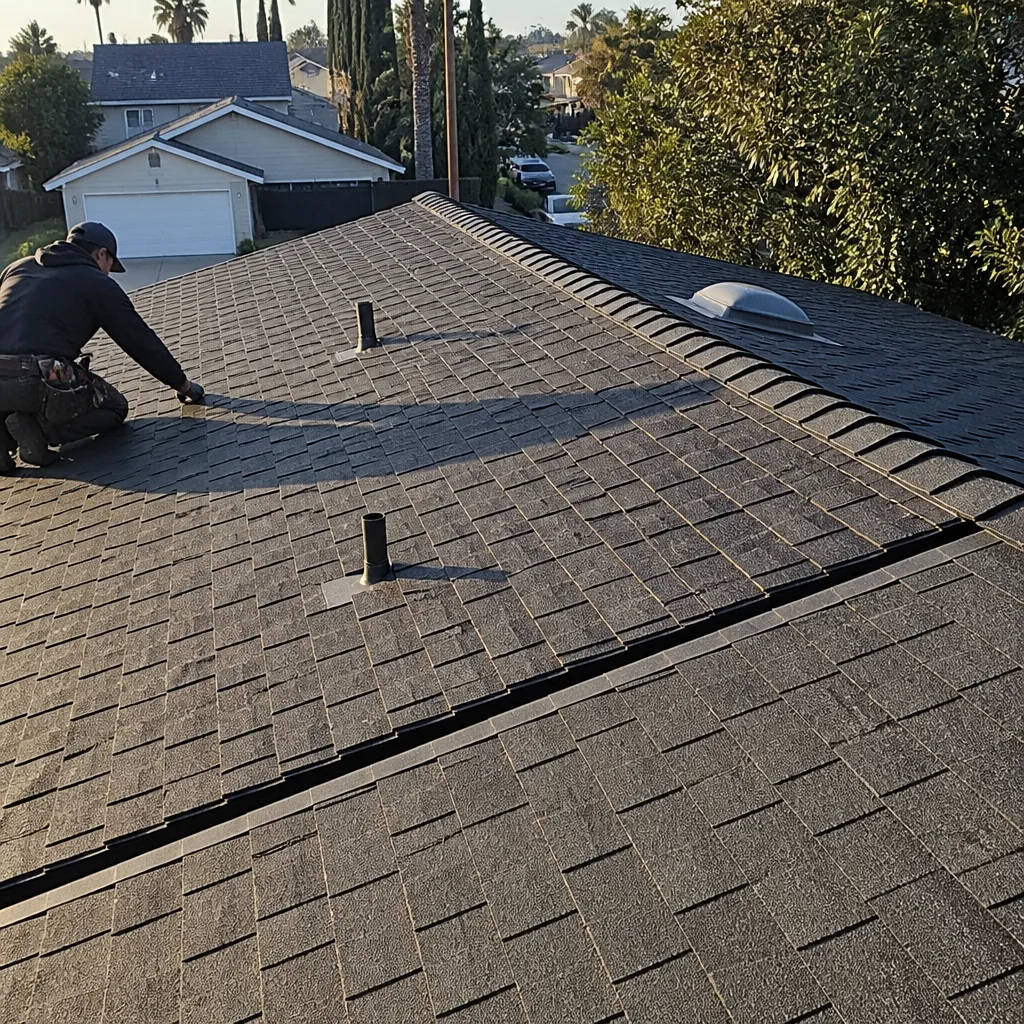
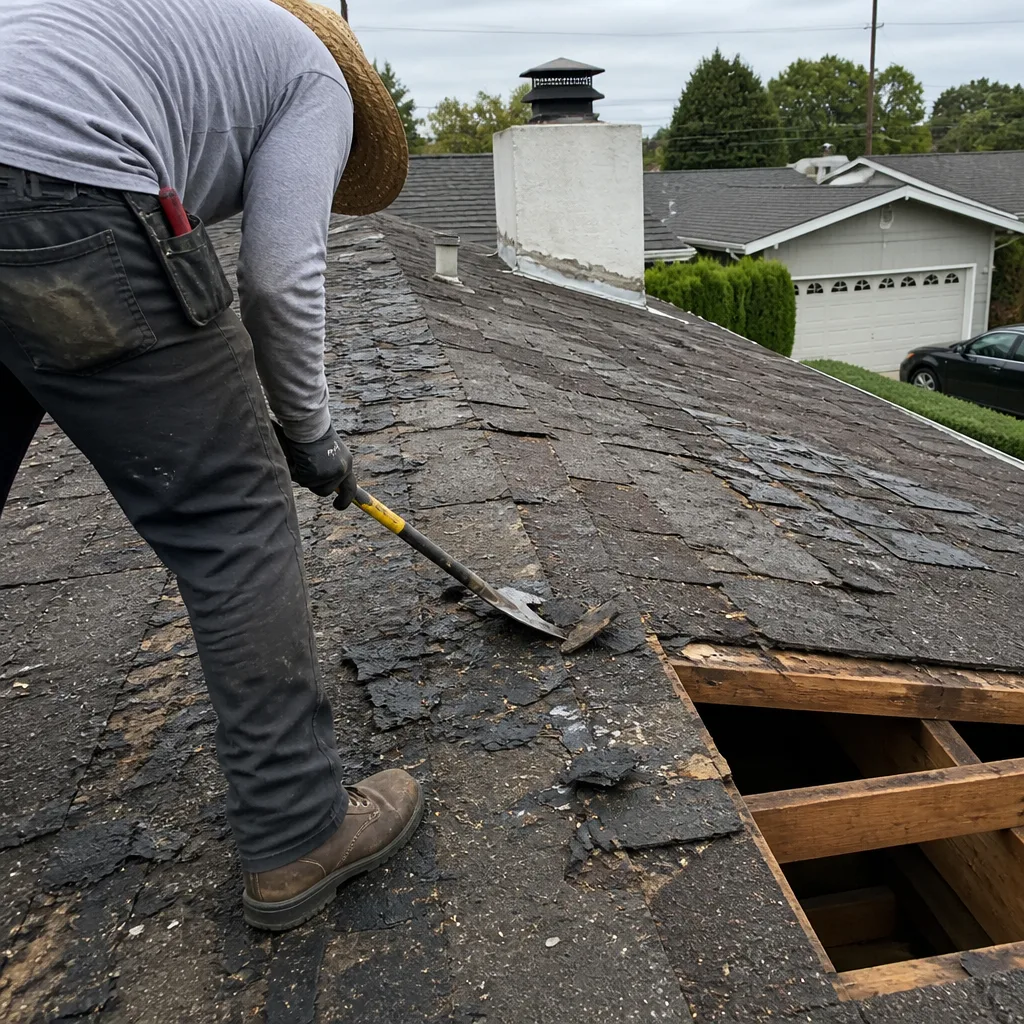
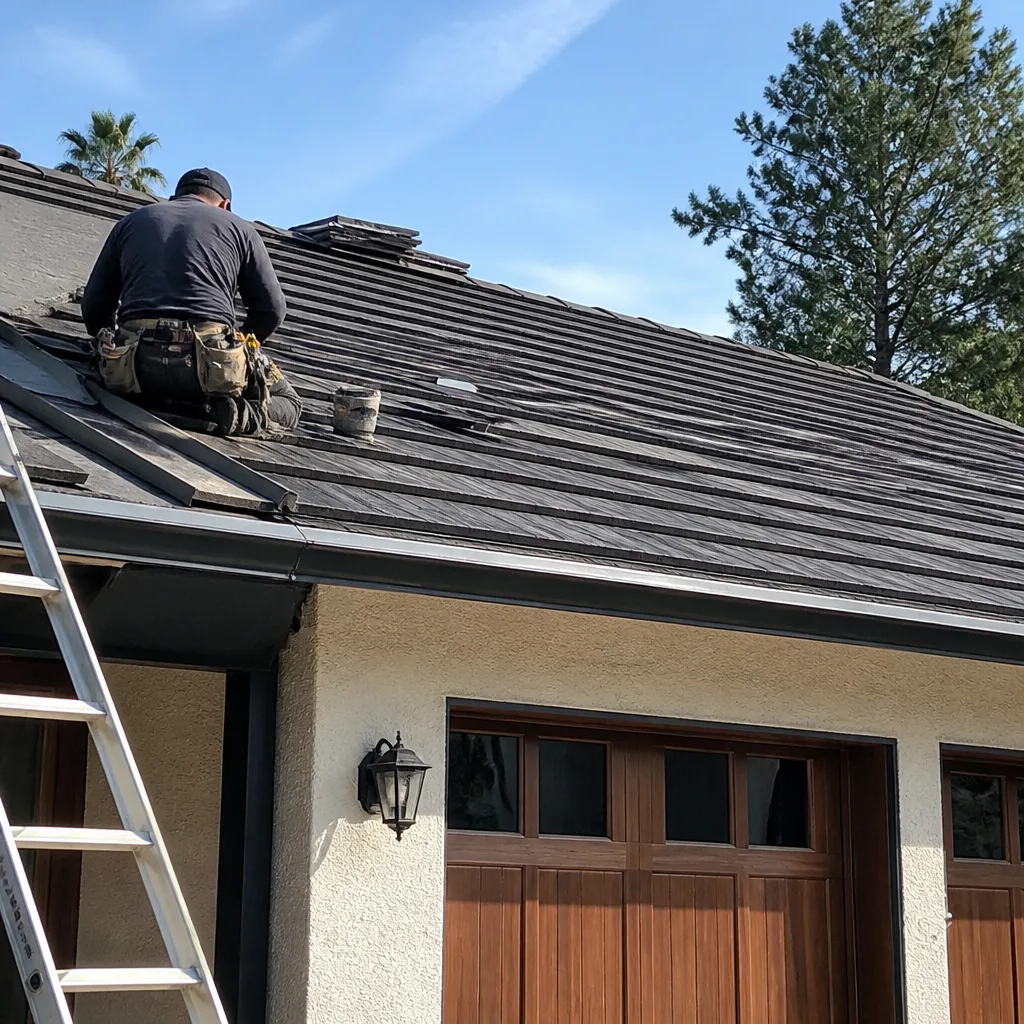
See the difference
 Before
 After
 Before
 After
 Before
 After