Last updated October 31, 2026
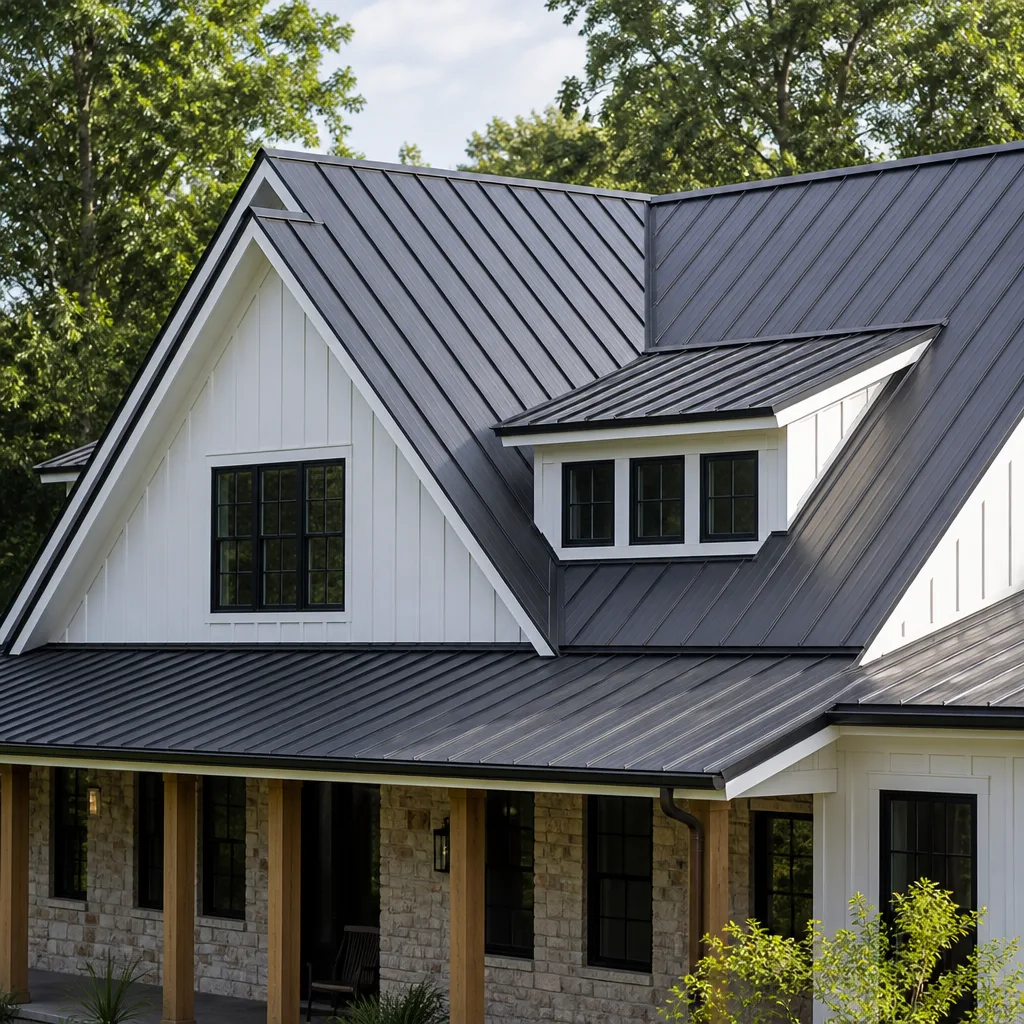 Metal roofing
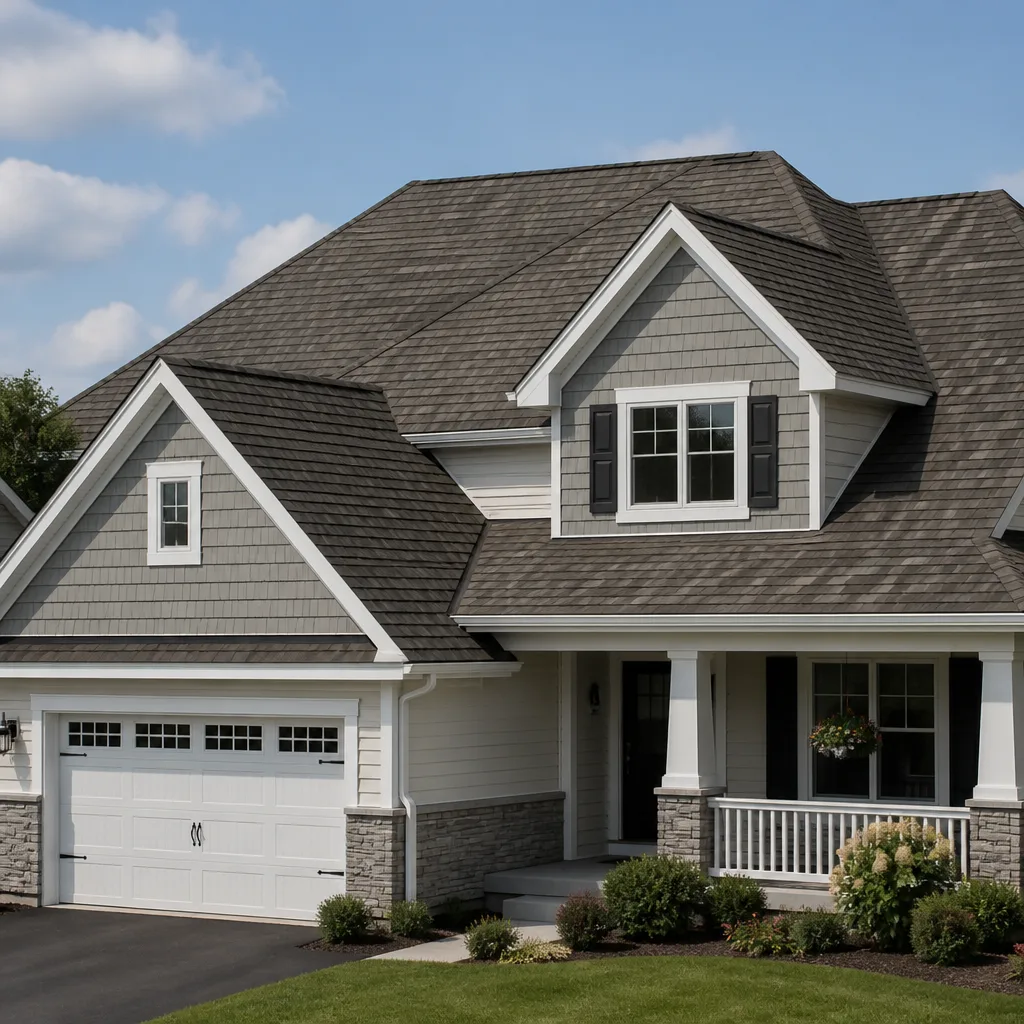
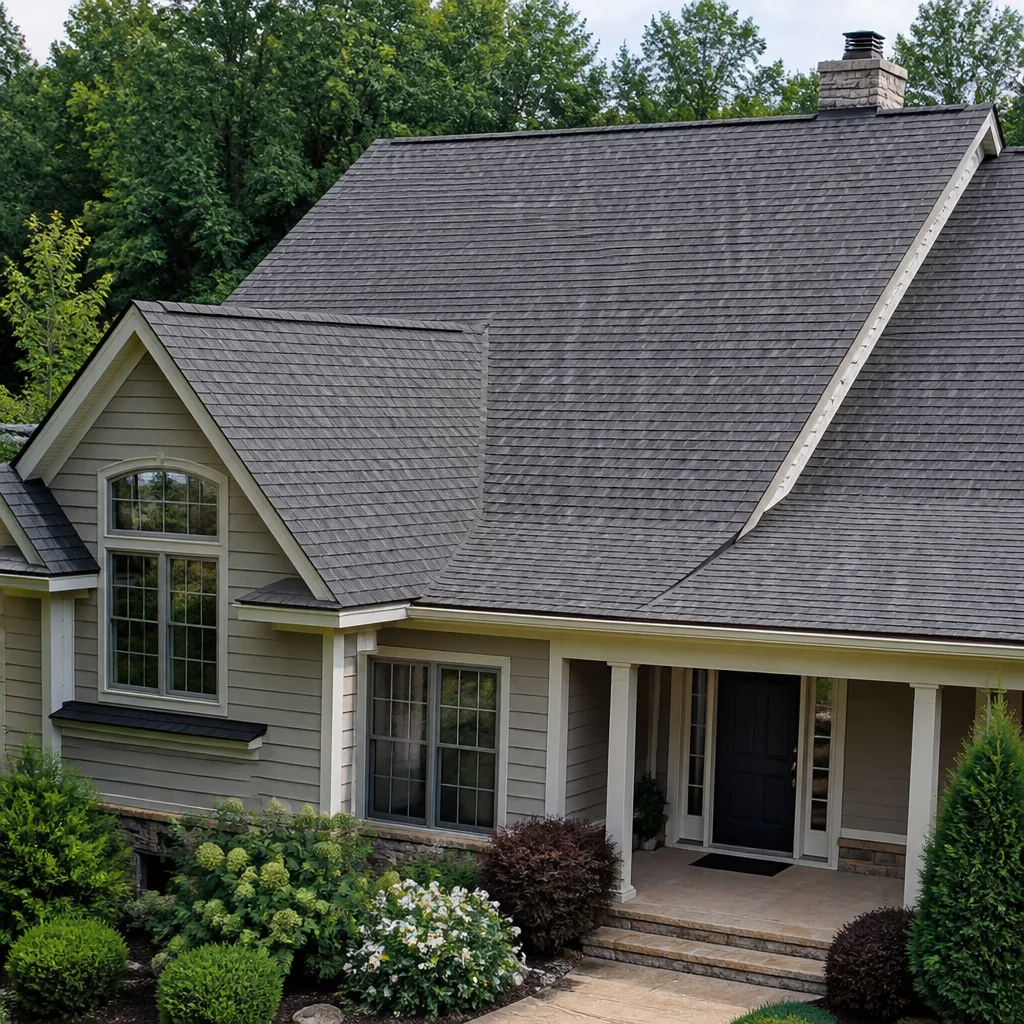 Architectural shingles
 Tile roofing
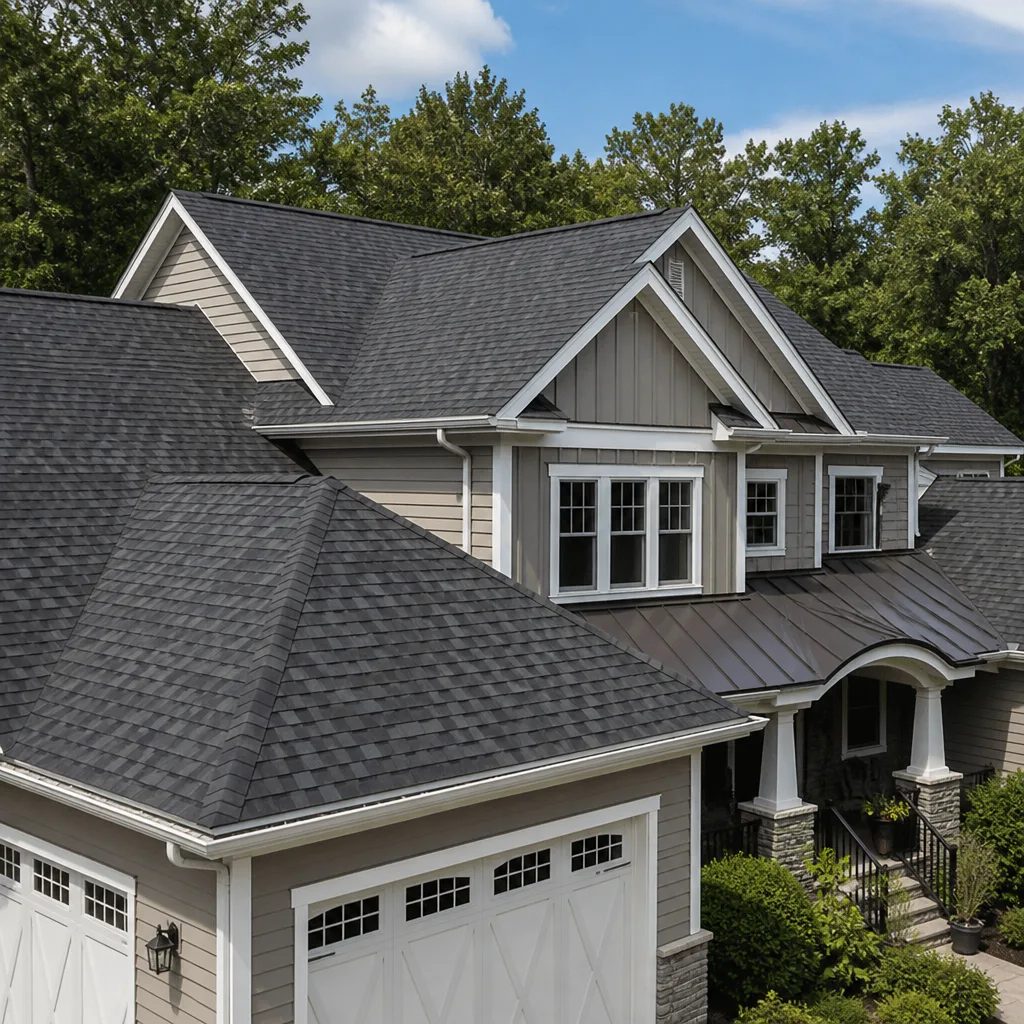 GAF
 Owens Corning
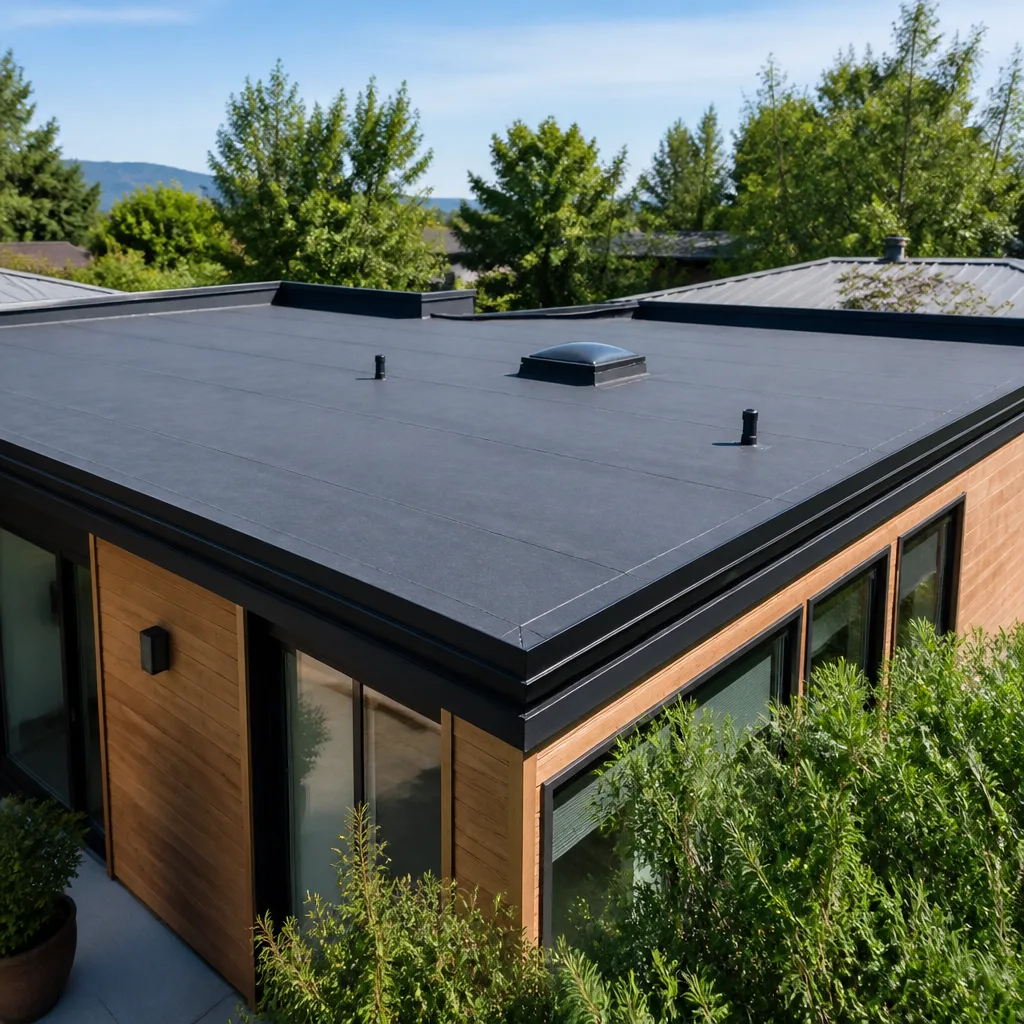 Flat & low-slope
Free roof inspection with deck photos before we talk money - GAF and Owens Corning certified installation
How to Hire a Roofing Contractor in Orange: A Step-by-Step Guide
Getting three roofing quotes in Orange is easy. Understanding why two of them spec’d a different product than the third, and which one is actually right for your roof, is where most homeowners have no framework at all. Most hiring guides tell you to check licenses and get multiple bids, but they skip the part that actually determines whether you’ll be happy in ten years: learning how to read what’s in front of you. This guide walks through the entire process from license verification to final walkthrough, with specific attention to how Orange’s market, climate, and contractor incentives shape the bids you’ll receive. You’ll finish knowing exactly what to ask, what to ignore, and how to spot a bid built around a supplier relationship instead of your roof.
Styles & brands we work with
Quick Answer
To hire a roofing contractor in Orange, verify their California CSLB license classification first, then request written bids that include decking inspection policy, material brand and model names, and line-item labor costs. Ask whether the contractor is brand-certified or material-agnostic, since that determines whether the product recommendation serves their supplier relationship or your roof. Get at least three bids, compare the line items rather than the totals, and never sign anything before a physical inspection of the roof deck and underlayment has been completed.
Table of Contents
- Step 1: Verify the CSLB License and Understand What It Actually Covers
- Step 2: Learn to Read a Roofing Bid Like a Contractor
- Step 3: Ask the Brand Question Most Homeowners Never Think to Ask
- Step 4: Get the Decking Inspection and Replacement Policy in Writing
- Step 5: Match Materials to Orange’s Actual Climate Demands
- Step 6: Handle Post-Storm Solicitations With Caution
- Step 7: Compare Bids by Line Item, Not by Total
- Common Mistakes to Avoid
- When to Call a Professional
- Frequently Asked Questions
- The Bottom Line
Step 1: Verify the CSLB License and Understand What It Actually Covers
California requires any contractor performing roofing work on a structure to hold a valid license from the Contractors State License Board (CSLB). You can verify a license in under two minutes at cslb.ca.gov by entering the contractor’s name or license number. But here’s what most Orange homeowners miss: the license classification matters as much as the license itself. Roofing contractors in California typically hold a C-39 Roofing classification. General contractors with a B classification can legally perform roofing, but they may not have roofing-specific training or the focused experience a C-39 holder brings to the table.
When you pull up the CSLB record, check four things beyond the license number. First, confirm the license status reads “Active” and not “Suspended” or “Expired.” Second, note the issue date. A license that’s been active for ten years signals stability; a license issued six months ago doesn’t automatically disqualify anyone, but it does mean the company’s track record is short. Third, look at the personnel listed. If the license holder you’re speaking with isn’t the person named on the license, ask who the qualifying individual is and whether they’ll be on-site during your project. Fourth, check for any CSLB actions or complaints. The CSLB publishes legal actions and arbitration results, and spending five minutes on this can save you from a contractor with a documented history of disputes.
In Orange specifically, you’ll also encounter contractors who work out of neighboring cities like Anaheim, Santa Ana, or Garden Grove. That’s perfectly fine, but it means you should verify that the license covers the work being performed at your Orange address. The city doesn’t require a separate local roofing permit beyond the standard building permit process, but your contractor should be familiar with Orange’s permitting office and willing to pull permits for any full replacement. A contractor who suggests skipping permits on a replacement roof is giving you a red flag the size of a hurricane tarp.
Step 2: Learn to Read a Roofing Bid Like a Contractor
A legitimate roofing bid in Orange runs three to six pages and includes specific line items. A one-page estimate with a single number at the bottom is not a bid. It’s a guess, and guesses become change orders once the work starts. When you’re comparing proposals, set aside the bottom-line number for a moment and look at the structure of the document itself. Windmill Roof Repair home guides include line-item detail for every phase of work, but even if you’re comparing other contractors, the document check is the same.
Here’s what a complete bid should include, as a minimum:
- Scope of work description with square footage, roof pitch, and number of stories listed.
- Material specifications by brand name and model, not just “architectural shingle” or “30-year shingle.” If a bid says “Owens Corning shingle” without specifying the model (Duration, Oakridge, etc.), ask for the exact product name before signing.
- Underlayment type and manufacturer, including whether it’s synthetic or felt and what ice and water barrier product will be used at eaves and valleys.
- Flashing scope including drip edge, pipe boots, chimney flashing, and valley metal, with measurements or quantities.
- Ventilation plan with intake and exhaust products by name. Ridge vent, box vents, or off-ridge vents are not interchangeable, and Orange’s hot summers make this a real performance issue.
- Tear-off and disposal costs broken out as a separate line item, including dump fees and hauling labor.
- Decking repair policy with per-sheet pricing for replacement plywood or OSB. We’ll cover this in Step 4 because it’s the single most common source of surprise charges in Orange re-roofing jobs.
- Warranty terms for both workmanship and materials, with the duration and what specifically is covered by each.
The absence of any of these line items isn’t automatically disqualifying, but it’s a prompt to ask. A contractor who can’t articulate their ventilation plan or who lists “flashing as needed” without specifics hasn’t done the measurement work that a real bid requires.
Step 3: Ask the Brand Question Most Homeowners Never Think to Ask
Here’s the part that separates a smart hire from an expensive lesson. Most roofing contractors in Orange are brand-certified, which means they’ve completed manufacturer training programs and can offer enhanced warranties through specific manufacturers. That sounds like a feature, and in some ways it is. Certified contractors know their product line deeply. But certification also creates an incentive structure. A GAF-certified contractor has strong reasons to recommend GAF products. A CertainTeed-certified roofer will naturally reach for CertainTeed. That’s not dishonesty. It’s simply how the economics of certification work.
The question to ask in Orange is this: “Can you install multiple brands, and which one would you put on your own roof, and why?” A contractor who installs one brand exclusively will give you one answer, because it’s the only answer their supplier relationship allows. A material-agnostic contractor who works across multiple manufacturers can compare Owens Corning against IKO or Atlas against Tamko based on your actual roof pitch, sun exposure, budget, and aesthetic preferences. That’s a fundamentally different conversation, and it’s the one worth having before you commit five figures to a product that will sit above your head for two decades.
At Windmill Roof Repair, we work across seven major brands including Owens Corning, IKO, and Atlas. That’s not a marketing point so much as a practical one: when you’re not tied to one manufacturer, you can recommend the right shingle for the roof instead of the shingle that fits the certification. When you’re reviewing bids in Orange, ask each contractor to name the two brands they install most, and then ask them what would change on your roof if you chose the other one. If they can’t answer that second question with specifics, you’re talking to a salesperson, not a roofing advisor.
Step 4: Get the Decking Inspection and Replacement Policy in Writing
Pay attention to this section, because the decking line is where Orange homeowners lose thousands of dollars more than any other surprise in the roofing process. Your roof deck, usually plywood or OSB sheets beneath the shingles and underlayment, isn’t visible until the old roof comes off. If the deck has water damage, rot, or fails current fastening code, it needs replacement before new shingles go on. California building code specifies minimum deck thickness and fastening requirements, and Orange’s older housing stock, particularly homes built before the 1980s, frequently has decking that doesn’t meet current standards.
A responsible contractor in Orange addresses decking before you sign. The bid should include either a per-sheet replacement price (typically stated as “$X per 4×8 sheet replaced”) or an explicit statement that decking costs are included in the base price. The red flag is a bid that says “decking as needed” without a per-sheet number. That phrase translates to “we’ll charge you whatever the market will bear once your roof is torn off and you have no leverage.” A legitimate contractor will tell you the per-sheet cost up front and will show you the damaged decking before replacing it. If a contractor replaces decking without showing you the damage first, that’s a serious problem.
Questions to ask before signing, for any Orange roof project:
- What is your per-sheet replacement price for decking, and is it locked in the contract?
- Will you show me the damaged decking before replacing it, or at minimum photograph the sections being replaced?
- Does your base bid include any contingency for decking replacement, or is all of it additional?
- What thickness of decking does your crew install, and does it meet current California code?
In our experience across Orange, we find that homes in neighborhoods like Old Towne and the areas near Chapman Avenue with original mid-century construction have the highest rate of deck replacement needs, simply due to age and the way those homes were originally built. Newer developments around Orange Park Acres and the eastern edges of the city tend to have cleaner decks, but age alone isn’t a guarantee either way. The point is to get the policy in writing before the first shingle comes off.
Step 5: Match Materials to Orange’s Actual Climate Demands
Orange sits in a climate that most national roofing guides don’t address properly. We’re not coastal like Newport Beach, and we’re not desert like Palm Springs. We’re in a Mediterranean microclimate with hot, dry summers, mild but occasionally wet winters, and a wind pattern that gets serious when Santa Ana conditions develop in the fall. That specific combination means your roof is fighting UV degradation, thermal expansion cycles, and those periodic gusts that can top 50 mph through the canyons. A roof that handles Orange summers well might not handle the Santa Ana season, and vice versa.
Here’s how that translates to material choices. For sun exposure, you want shingles with good UV resistance and a granule adhesion that won’t shed under relentless summer sun. Owens Corning and IKO both make architectural lines that perform well in this climate, but the specific model matters more than the brand. For wind, you want a shingle with a high wind rating, and more importantly, an installation method that meets Orange’s wind zone requirements. The nail count and nailing pattern matter as much as the shingle’s rated wind speed. A shingle rated for 130 mph won’t perform if it’s nailed incorrectly.
For ventilation, Orange’s hot summers mean your attic space is baking from May through October. Proper intake at the eaves and exhaust at the ridge isn’t optional in this climate. We’ve seen older Orange homes with no soffit vents and a single box vent that regularly hit attic temperatures above 140 degrees in July. That heat doesn’t just make the house harder to cool. It literally cooks the shingle from underneath, reducing its lifespan. When you’re comparing bids in Orange, ask each contractor to explain their ventilation plan for your specific roof geometry. The answer tells you a lot about whether they understand how this climate actually works.
Step 6: Handle Post-Storm Solicitations With Caution
After a strong Santa Ana wind event, you’ll likely get door-knockers and flyers in Orange within a week. This isn’t unique to our city, but the pattern is reliable enough that we can warn you about it directly. These solicitations typically follow a script: the contractor “happened to be in the neighborhood” and “noticed some possible storm damage” on your roof. They’ll offer a free inspection and promise to work directly with your insurance company. Some of these contractors are legitimate. Some are storm chasers who move from city to city following weather events, and they’ll be gone from Orange by the time any problems show up.
The red flags to watch for after a wind event in Orange:
- High-pressure tactics: “Sign today and we can get you on the schedule before our crew leaves the area.” A real local roofing contractor isn’t leaving the area.
- Insurance guidance that feels too good: Contractors who promise they can get your entire roof replaced by insurance, or who offer to “handle everything” with your insurer, can also be steering you toward a claim that your policy may not actually cover. You’re responsible for your claim’s accuracy regardless of who files it.
- No local address or history: Ask the contractor where their office is and how long they’ve been working in Orange. A specific answer is good. Vagueness is telling.
- Unsolicited drone footage: Some salespeople will show up with aerial photos of your roof that they shot from a drone without permission. The footage might be useful, but it’s also a tactic to create urgency around damage that may be pre-existing.
After a storm, you do want an inspection, especially if you see missing shingles or granules in your gutters. But call a local contractor on your own schedule, rather than signing with whoever knocks first. A roof inspection is a stand-alone service, not a sales funnel, when you’re working with a company that treats it that way.
Step 7: Compare Bids by Line Item, Not by Total
The most common mistake Orange homeowners make is comparing three bids by their bottom-line numbers and choosing the middle one. That’s like comparing cars by their sticker price without checking whether one includes leather seats and another has crank windows. Two roofing bids at the “same” price can differ by thousands of dollars in actual value, because the line items don’t match. A bid that’s $2,000 lower might also be specifying a thinner underlayment, no ice and water barrier at the valleys, fewer ventilation units, or a cheaper flashing material.
When we help homeowners evaluate competing bids in Orange, here’s the comparison checklist we suggest:
- Underlayment match: Are both bids using the same type (synthetic or felt) and the same grade? A synthetic underlayment that costs $12 per square is not the same product as one costing $4 per square.
- Flashing scope: Does one bid include re-flashing the chimney and the other assume the existing flashing is reusable? Chimney flashing replacement is a meaningful labor line item, and skipping it is a shortcut that saves money now and leaks later.
- Ventilation count: Does one bid include two roof vents and the other one include four? If your roof is 2,000 square feet, there’s a code-required minimum for ventilation, and a bid under it is a sign the contractor isn’t thinking about long-term performance.
- Tear-off included or assumed: Some bids present a number that covers the new roof installation but treats the tear-off as a “disposal fee to be determined.” If a bid doesn’t explicitly include tear-off, disposal, and hauling, the number isn’t real.
- Workmanship warranty duration: One bid might include a 5-year workmanship warranty and another a 10-year. The 10-year warranty has real value, and the difference isn’t always reflected in price.
Once you’ve normalized for these differences, the total numbers become meaningful. A bid that’s lower on price but thinner on scope isn’t a better deal. It’s a less honest number. And a bid that’s higher but includes more complete flashing, better underlayment, and stronger ventilation is often the better long-term value in Orange’s climate.
Common Mistakes to Avoid
- Comparing bids by total price alone. Two $18,000 bids in Orange can be functionally different roofs once you look at underlayment, flashing, ventilation, and decking policy. The total number is the least informative line on the page.
- Signing a storm-chaser contract after a Santa Ana event. The urgency is manufactured. A contractor who was working in Orange last year and will be working in Orange next year doesn’t need you to sign today. A contractor who’s leaving next week does, and that tells you everything.
- Assuming “licensed” means “roofing specialist.” A general contractor with a B license can legally roof your house, but their core competency may be remodeling kitchens. Check for the C-39 Roofing classification specifically.
- Not asking about decking policy before the tear-off starts. This is the number one source of surprise charges in Orange re-roofing. Get the per-sheet price in writing, and demand to see damaged decking before it’s replaced.
- Choosing a material based on a brand you’ve heard of rather than your roof’s specific needs. Brand recognition is a starting point, not a decision framework. Ask why a specific model is being recommended for your roof pitch, sun exposure, and wind zone.
- Accepting a bid that doesn’t itemize the ventilation plan. In Orange’s heat, an under-ventilated attic will shorten your shingle lifespan and spike your cooling bills. The ventilation line item isn’t optional.
- Not asking what the workmanship warranty covers beyond the headline number. A “10-year workmanship warranty” means different things coming from different contractors. Some cover leaks and callbacks comprehensively. Others cover almost nothing once you read the exclusions. Read the actual warranty language before you sign.
When to Call a Professional
Some situations are clear calls for professional help rather than further research. If you see water stains on your ceiling during a winter storm, call a roofer before the next rain. If shingles are visibly lifting or missing after a Santa Ana event, schedule an inspection. If your roof is past 20 years old and you’re planning to sell your Orange home, a professional roof assessment gives you negotiating clarity before the buyer’s inspector finds problems on their own. And if a previous contractor told you the roof “looks fine” without ever walking it, that’s a reason to get a second opinion from someone who will actually climb up. Windmill Roof Repair offers free estimates in Orange, call (866) 850-2496 to schedule an inspection or discuss a roof that’s been on your mind.
Frequently Asked Questions
Visit cslb.ca.gov and enter the contractor’s name or license number to check their license status, classification, issue date, and any complaints or legal actions on record. A C-39 Roofing classification is the most specific credential for roofing work, while a B General Building classification is also legally acceptable but less specialized. Confirm the license status shows “Active” and note how long the license has been held before you move forward. Call (866) 850-2496 if you’d like help understanding what a specific license record means for your project.
Three is the standard, but the value isn’t in the count. It’s in comparing line items across bids, not just bottom-line numbers. Three bids that all show you complete scopes of work, including decking policy, flashing, ventilation, and material model names, give you a real comparison. Three one-page estimates with single numbers at the bottom tell you almost nothing, and getting a fourth one won’t help. If your bids aren’t itemized, ask the contractors to revise them before you make a decision.
Decking replacement is the number one surprise charge, because rotted or code-deficient decking isn’t visible until the old shingles are removed. A responsible contractor will include a per-sheet replacement price in the written bid and will show you the damaged decking before replacement. If your bid doesn’t include a decking policy, ask for one before signing. We’ve seen Orange homeowners save thousands by having this conversation up front instead of during tear-off.
Brand certification is generally a positive signal about training and product knowledge, but it also creates an incentive to recommend that specific brand. A contractor who installs only one brand can only offer you that brand’s products. A material-agnostic contractor who works across multiple manufacturers, the way Windmill Roof Repair works with Owens Corning, IKO, and Atlas, can match the shingle to your roof’s specific needs rather than their supplier relationship. Neither approach is automatically wrong, but it’s worth knowing which one you’re hiring. If you’d like to compare roofing material options side by side, call (866) 850-2496 and we’ll walk you through the differences for your specific roof.
A typical single-family roof replacement in Orange takes three to seven working days from tear-off through final inspection, depending on roof size, pitch, complexity, and weather. High-pitch roofs and multiple-story homes add time. Roof repairs are usually completed in a single day. A reputable contractor will give you a written project schedule before work begins and will communicate honestly if weather or decking discoveries change the timeline.
Yes, a full roof replacement in Orange requires a building permit, and your contractor should pull it as part of the job. Complete tear-off and re-roofing work without a permit is illegal and creates problems if you sell your home or file an insurance claim later. Minor repairs that cover a small area or replace a few shingles typically don’t require a permit, but a reputable contractor will tell you definitively for your specific scope of work.
The Bottom Line
Hiring a roofing contractor in Orange is less about finding enough bids and more about knowing how to read the ones you receive. Start with our Roof Repair Maintenance Checklist for Orange Homeowners to stay organized through the process. Verify the CSLB license and classification. Learn what a complete bid includes, and ask for the missing pieces. Ask the brand question to understand whether you’re getting a product recommendation or a sales script. Get decking policy in writing. Match materials to Orange’s specific climate. Be wary of post-storm pressure. And compare bids by what’s inside them, not by the number at the bottom. The right contractor will welcome these questions because they signal a homeowner who’s serious about getting the roof right. The wrong contractor will dodge them, and that tells you everything you need to know. For help with any of these steps, call (866) 850-2496 to schedule your free estimate.
Written by the team at Windmill Roof Repair, serving Orange since 2018.
See the difference
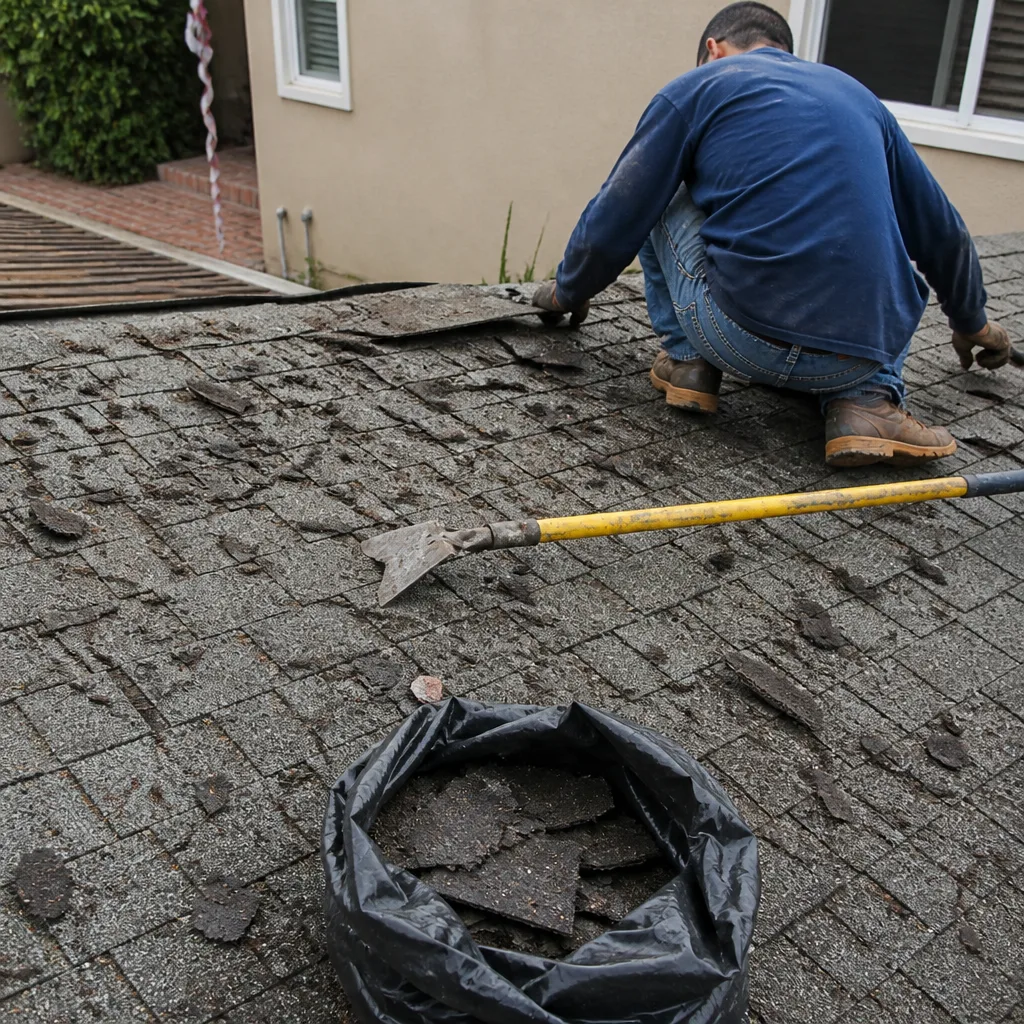 Before
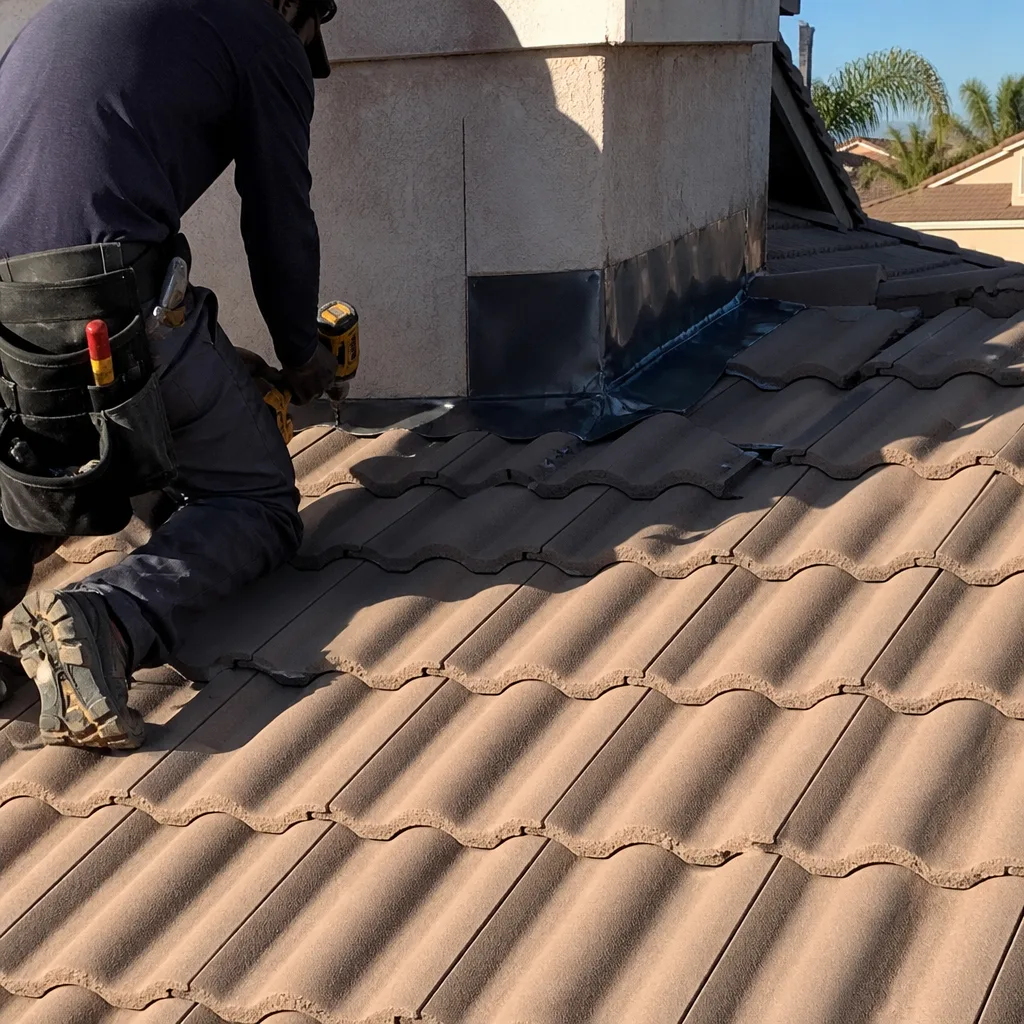 After
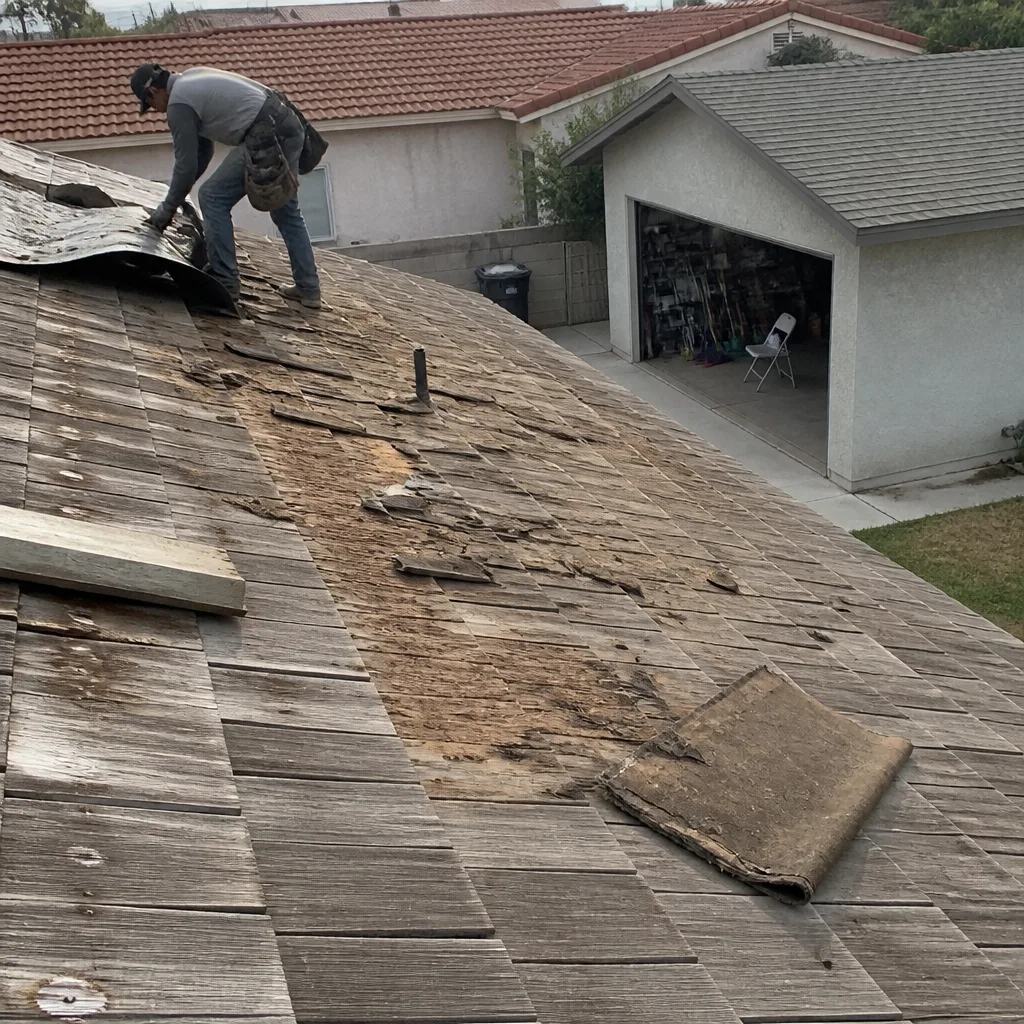 Before
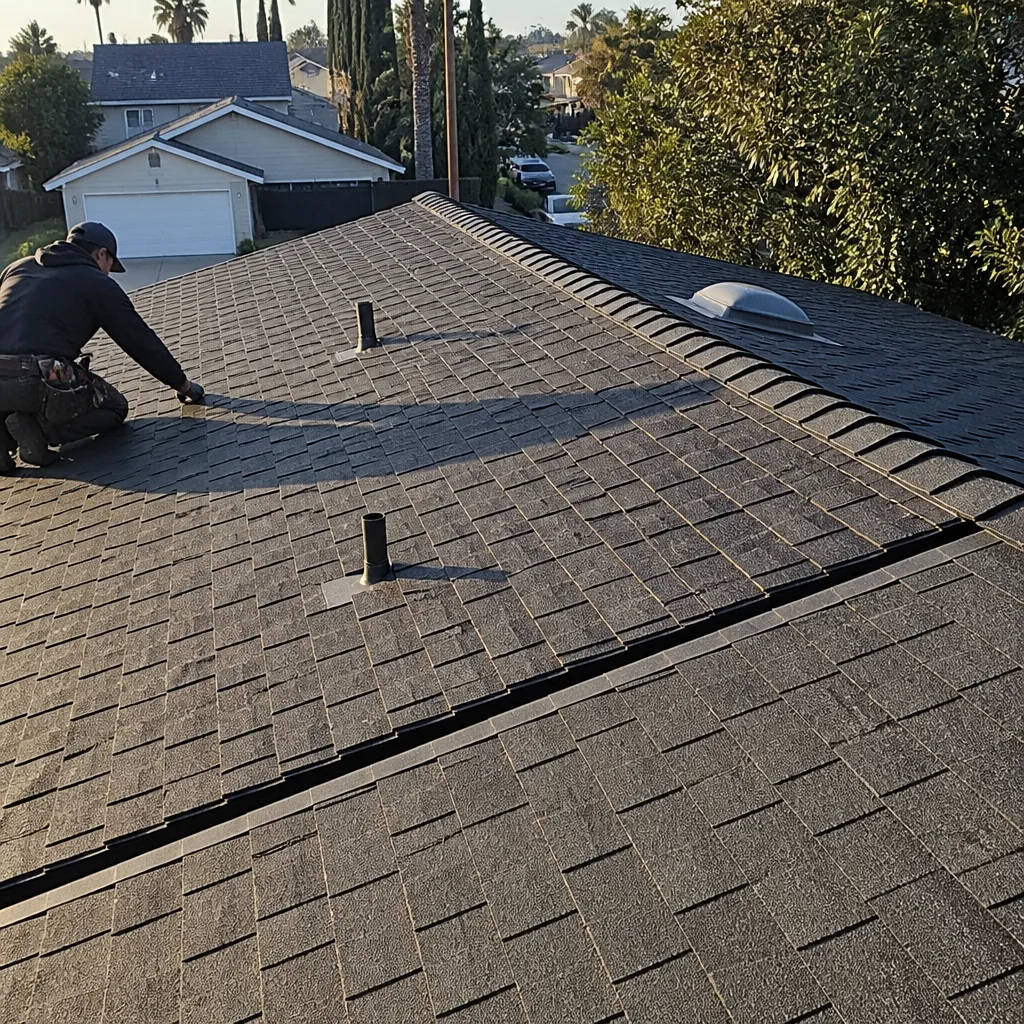 After
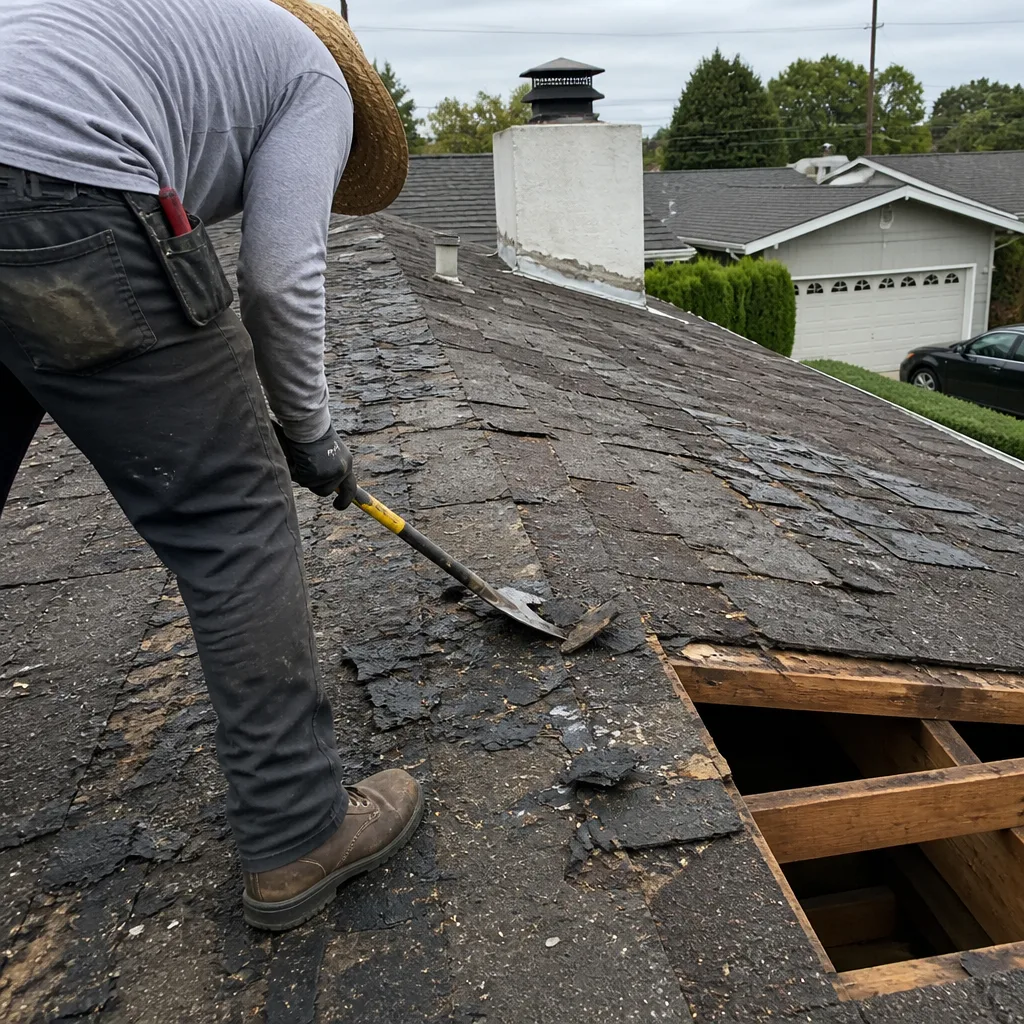 Before
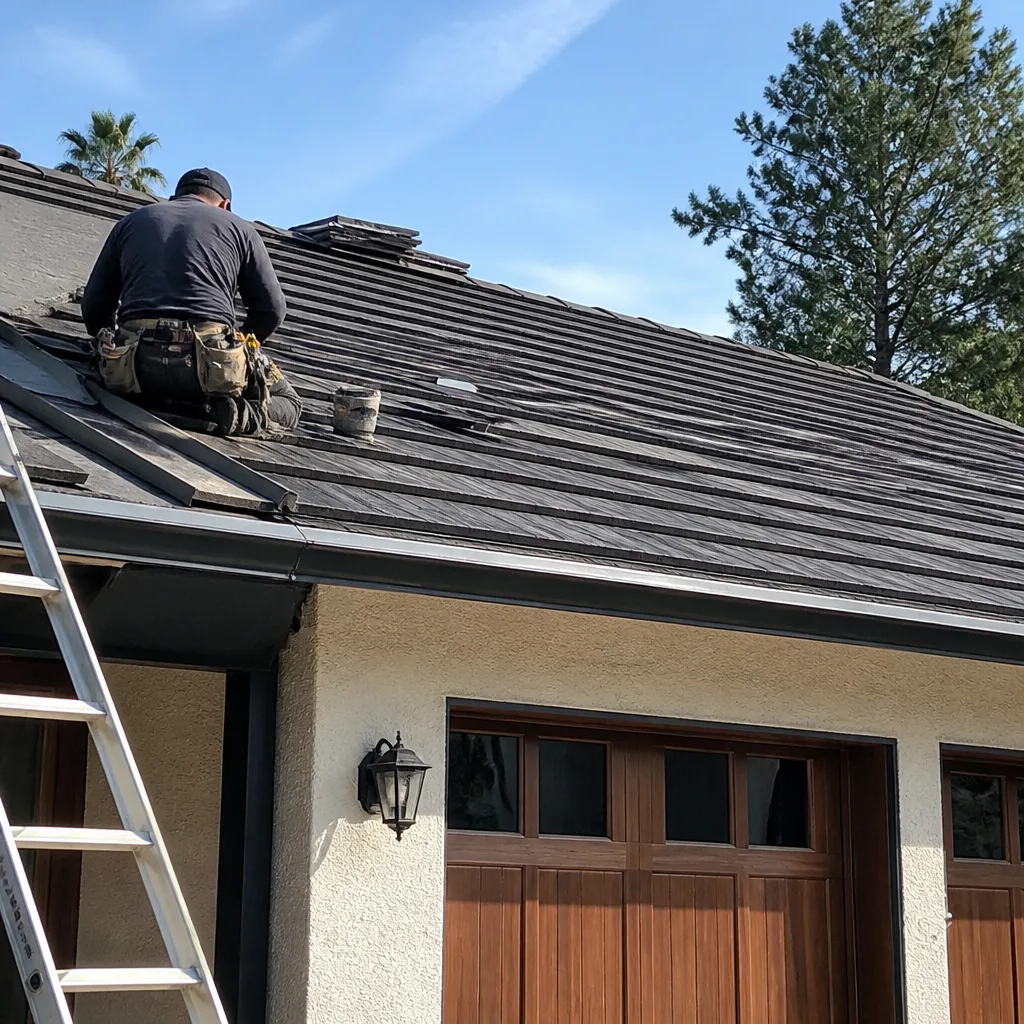 After